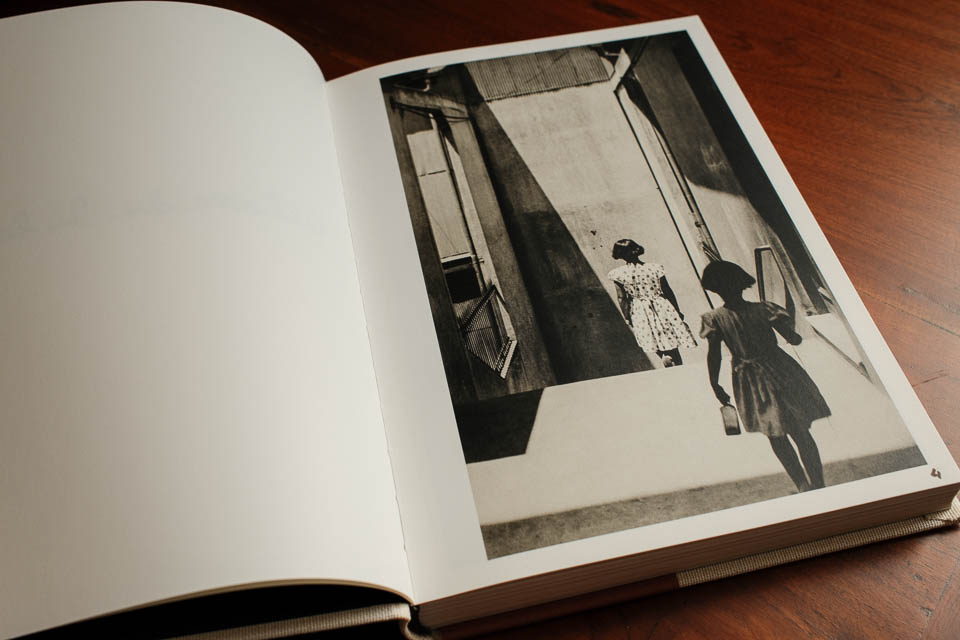
There’s a restlessness in the way Sergio Larrain sees. A longing. He moves through the streets with equal parts intimacy and distance. The images are brooding. One frame will linger on a cat, a doorway, a tangle of wires. The next will ignore the obvious entirely.
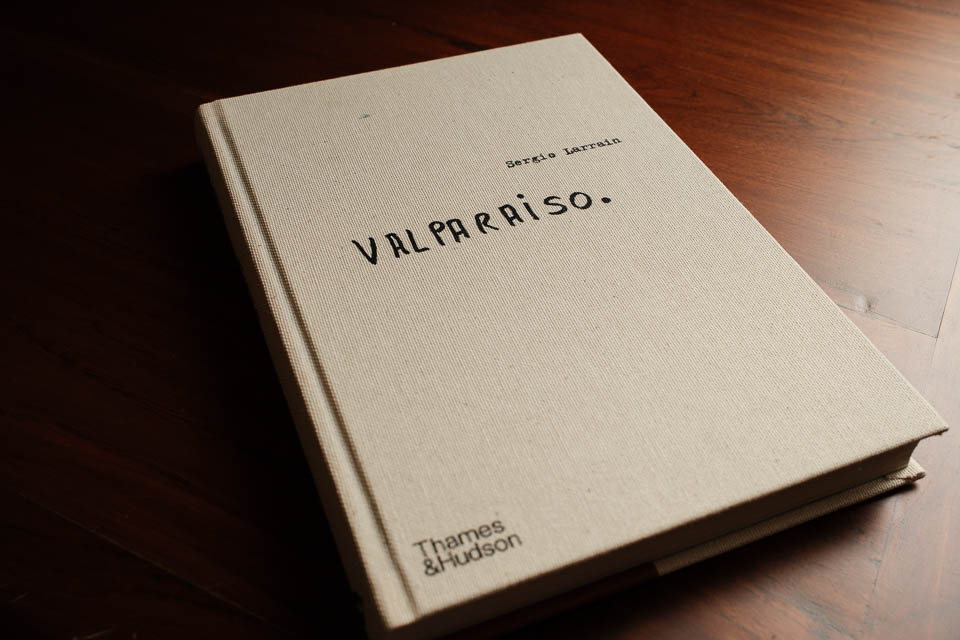
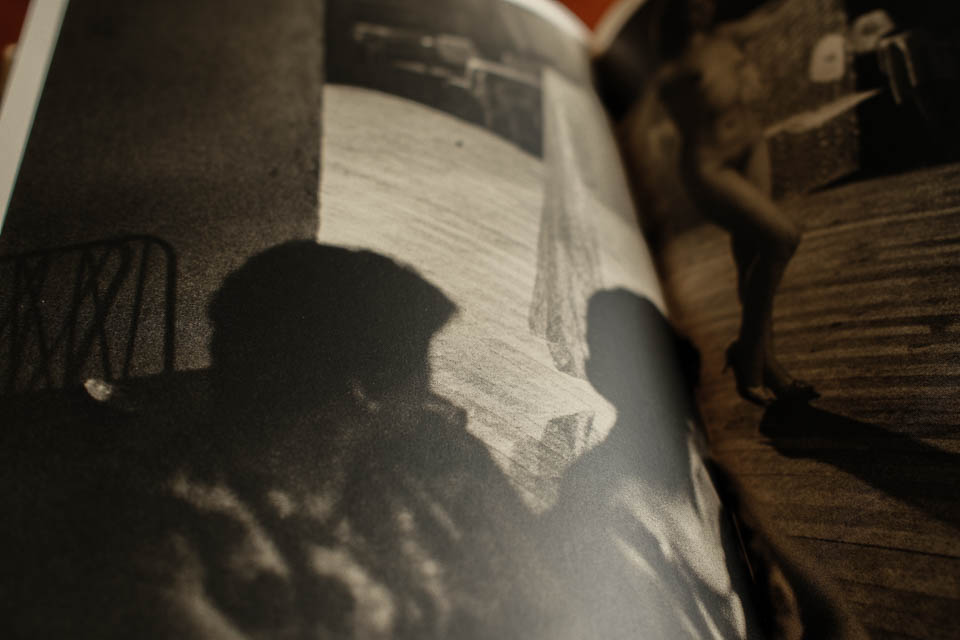
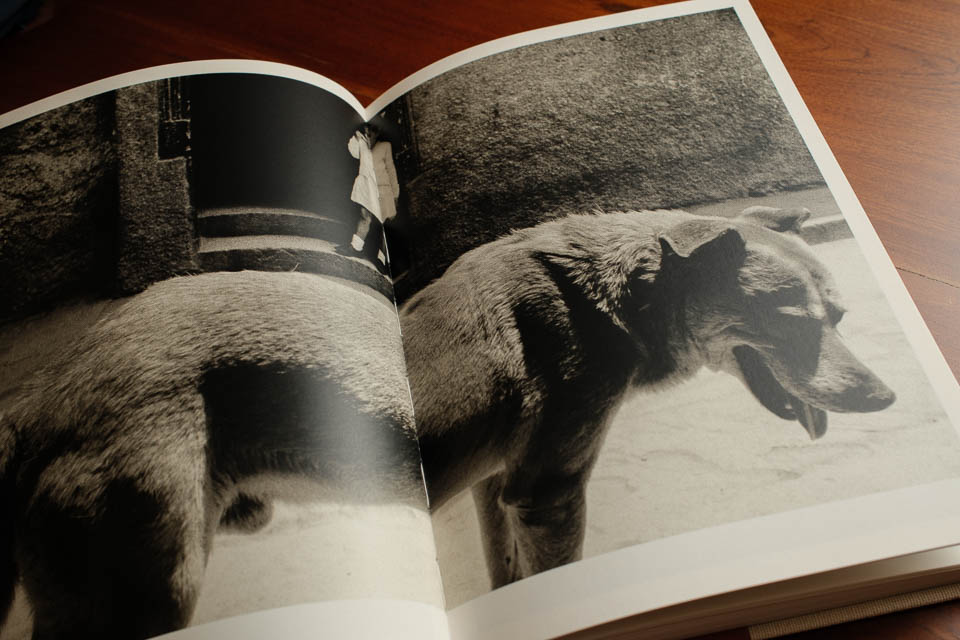
There’s no doubt about his craft — he was Magnum. But what sets this book apart is the instinctive layering. Foregrounds disrupt. Backgrounds speak louder. Shadows, steps, gestures, all slide into place like they weren’t meant to, but somehow are.
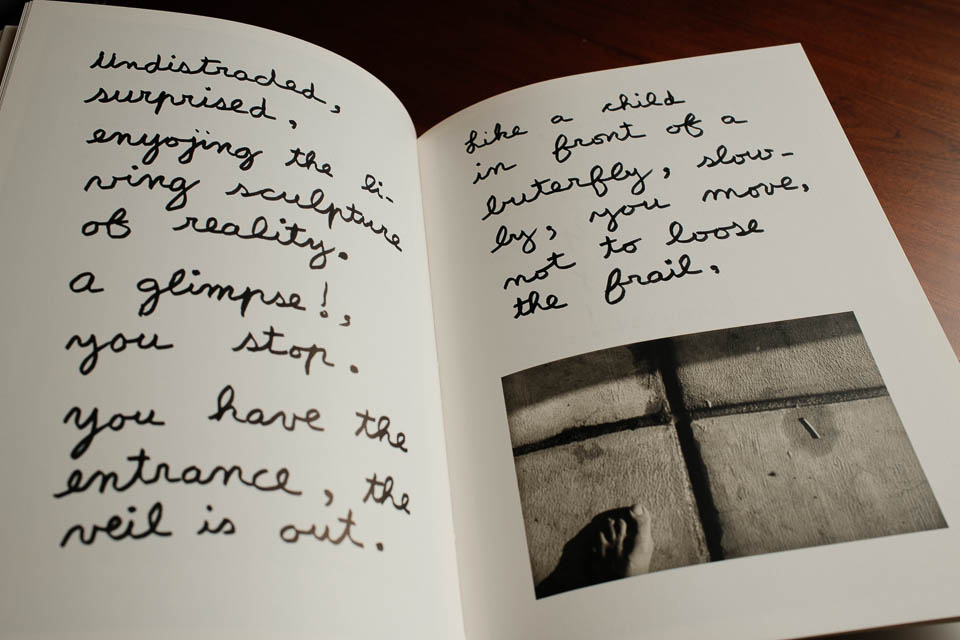
The black and white pulls you under. So does the text — his letters to fellow artists including Henri Cartier-Bresson, his notes, the Pablo Neruda foreword. Larraín’s writing is raw and searching. He writes about god, about energy, about the role of the creator. His interest lies beyond form. He’s looking for something else — a kind of stillness, a clarity, a presence. That search seeps into the images. There’s attention, He lets things appear. He lets them mean what they need to.
He walked away from success. Left photography, left the world, turned inward. That shift shows in the work. You can see it in the patience, the restraint, the quiet, the simple. The photographs in Valparaiso offer a way of seeing that can only come from a deeper place.
Valparaiso is essential. For those who want to understand what it means to see with honesty.