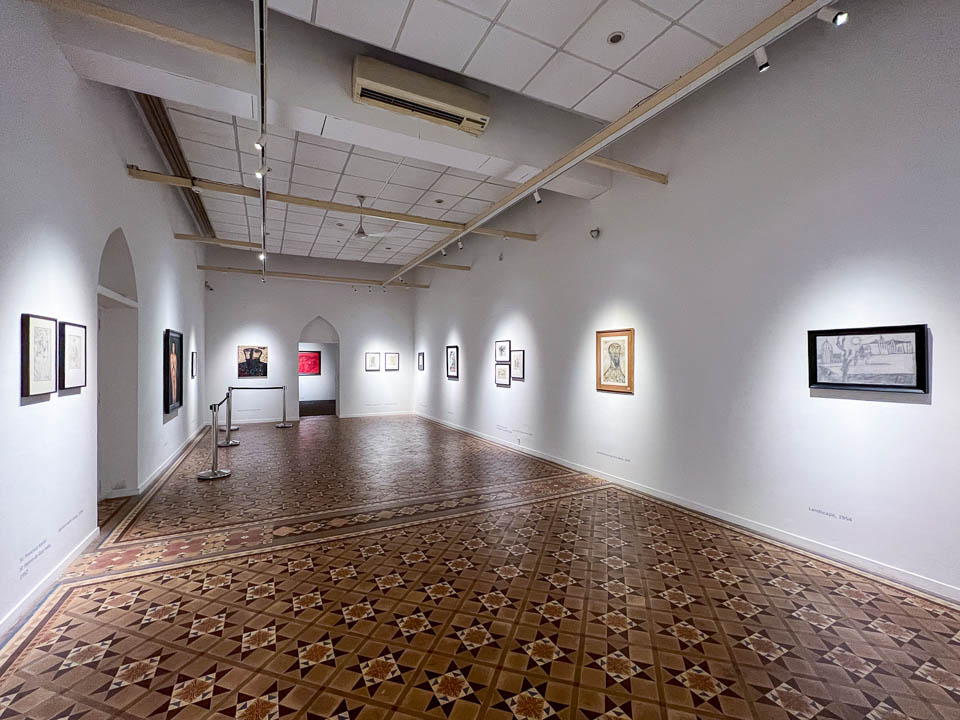
People like to predict the end of galleries. They say social media will replace them, that technology will make them irrelevant, that artists can do it all themselves. This is gravely mistaken. Galleries are needed now more than ever.
A good gallery does more than hang work on a wall. It nurtures artists. It gives direction when practice wavers, it pushes when complacency sets in, and it offers a space where ideas can be tested and sharpened. A strong gallery is a sounding board. It is also a filter. Not every work belongs in every collection. The gallery understands context, history, and market. It places works with collectors who matter, who will live with the work, support the artist over time, and strengthen their career.
Collectors know this well. A good collection needs breadth, depth and variety. It is built through many voices, not one. A collector cannot do this alone, relying on chance discoveries or isolated conversations with individual artists. A gallery brings a range of practices together, a pool of artists to draw from. Its team works day in and day out, tracking shifts in the art world, interpreting trends, and highlighting the right voices at the right time. That professional rigour cannot be matched by the occasional pitch of a single artist. Collectors seek that kind of expertise. They want continuity, structure, and knowledge backing their decisions. They turn to professionals, not one-offs.
Selling through Instagram may bring quick results. An artist might move pieces here and there. But serious collectors — even the younger ones entering the scene — still look for validation. They rely on organisations, galleries, and institutions to assess an artist’s depth and trajectory. A direct sale rarely provides that. Collecting is not about accumulation, it is about building a collection with weight and meaning. Galleries help make that possible.
The white cube may feel dated, and the old model of stiff openings and inaccessible language may be fading. That is healthy. Formats will change. Presentation can evolve. But to think the role of galleries is ending is foolish. Artists cannot work in isolation, and collectors cannot navigate the field without trust. The gallery remains the link between the two.
This is the moment for galleries to redefine themselves — to be sharper, more transparent, more engaged. Those who do will shape the next decades of art. Far from dying, the gallery system is moving into a stage where its role is more crucial than ever.