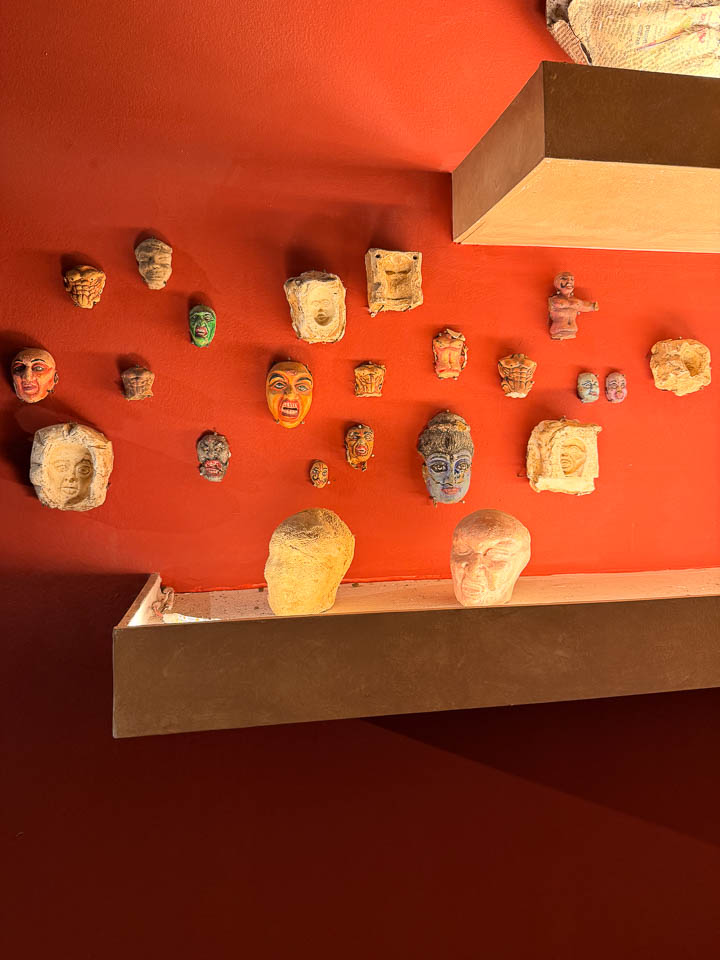
Serendipity Arts Festival is now a serious player in the Indian art ecosystem. What started as a week’s celebration in Goa has expanded into a multi-disciplinary platform that draws visual art, photography, performance, music, dance, food, craft and dialogue into one intensive moment in Panjim each December. It’s one of the biggest arts events in South Asia by scale and ambition.
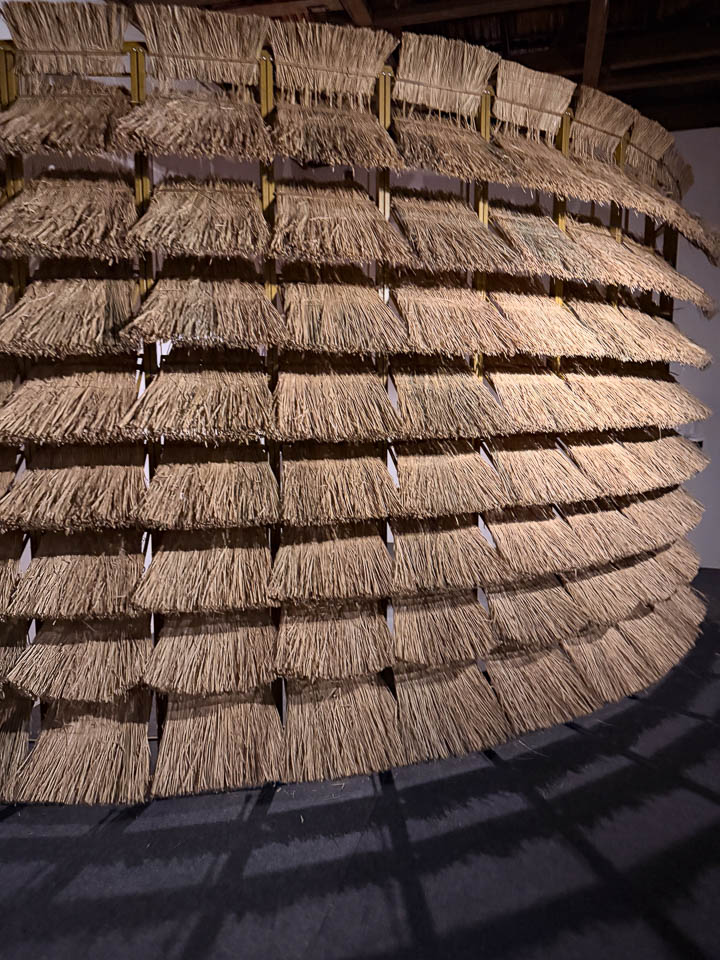
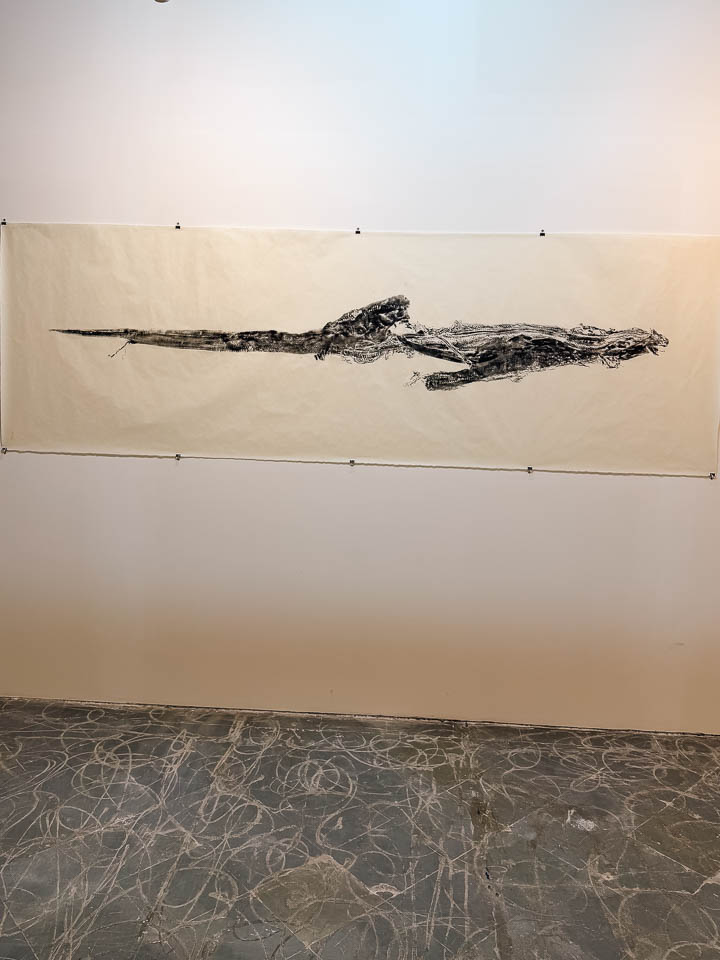
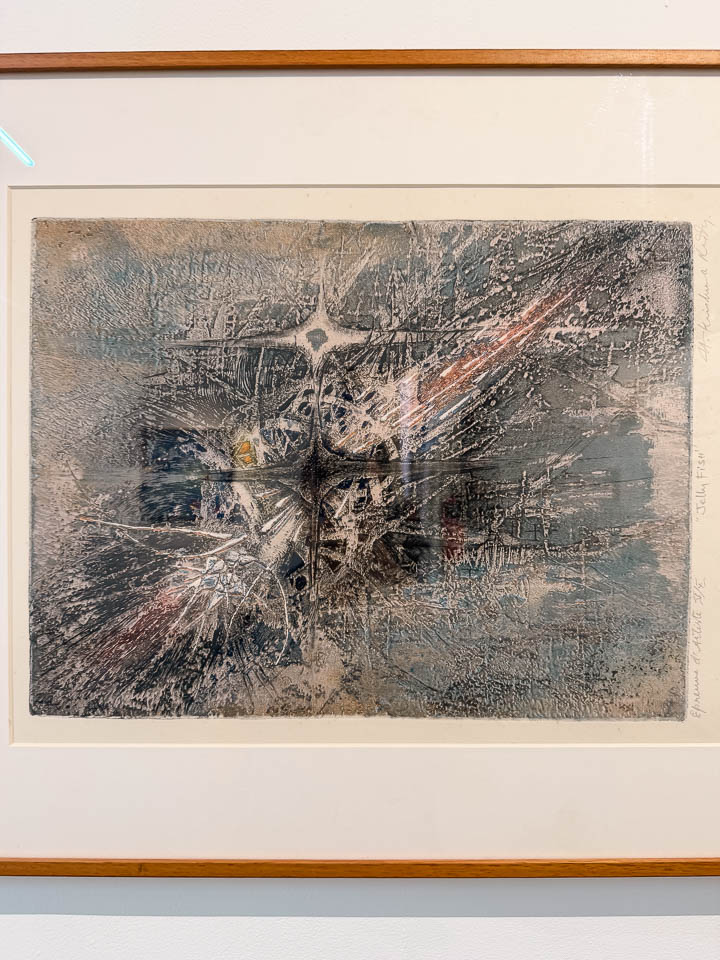
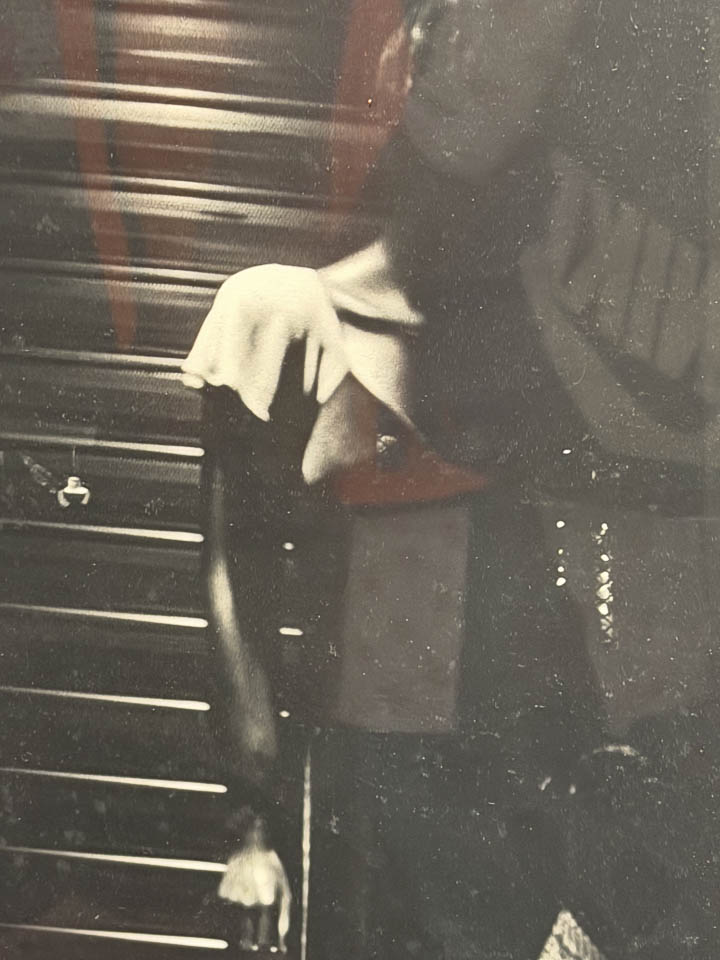
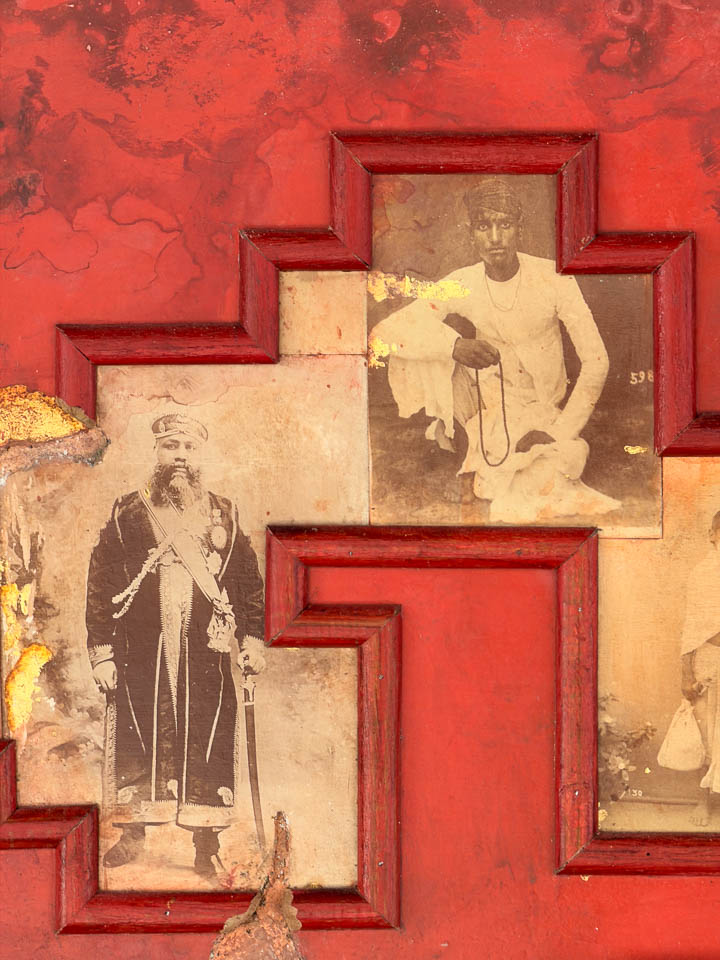
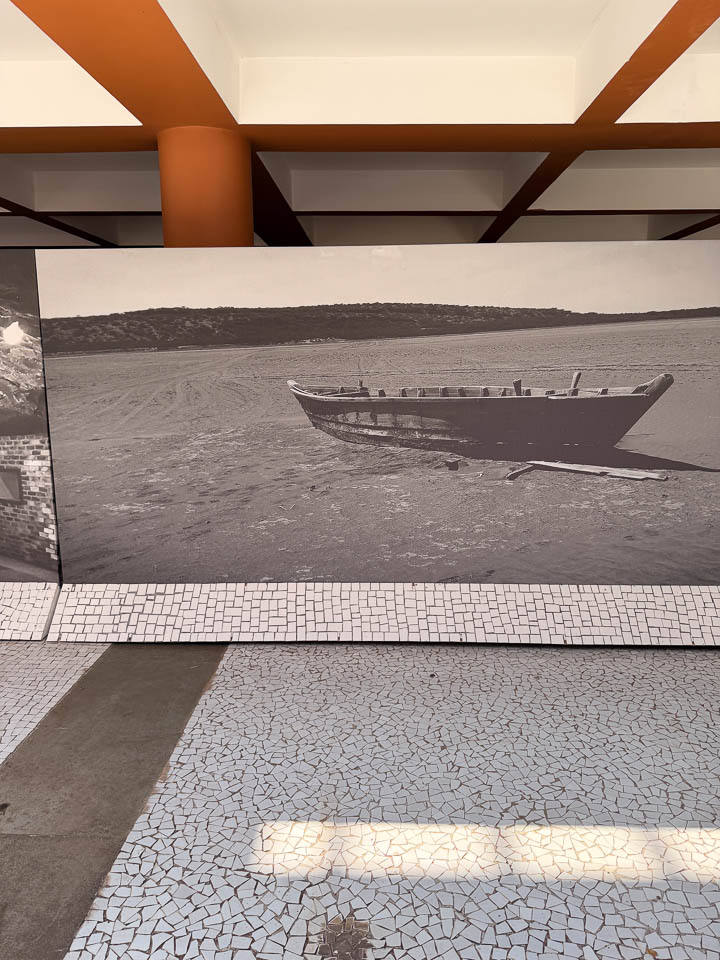
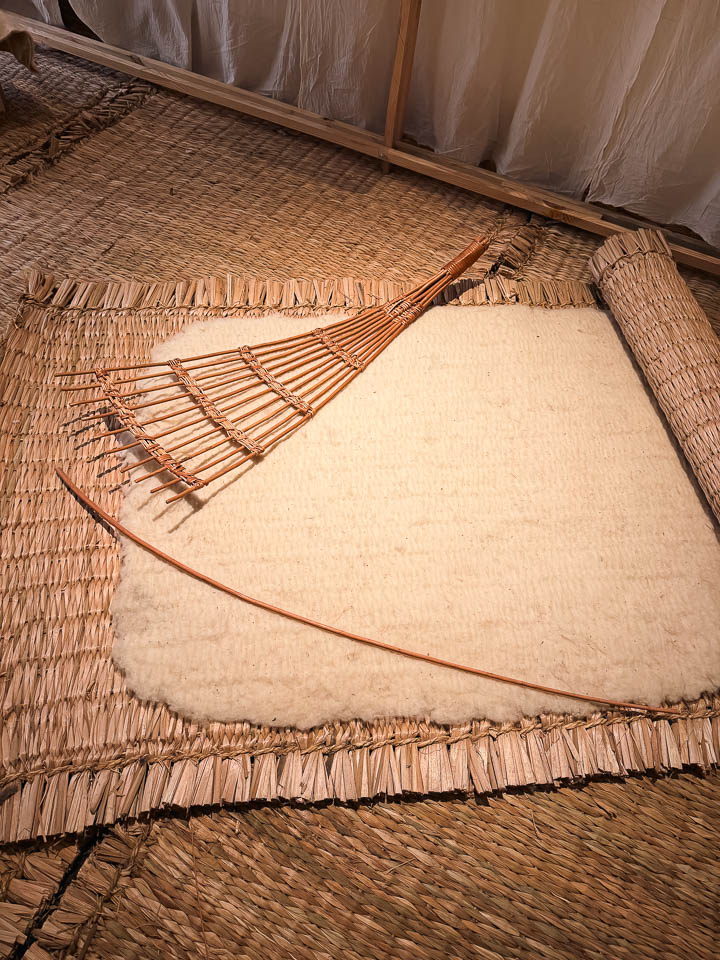
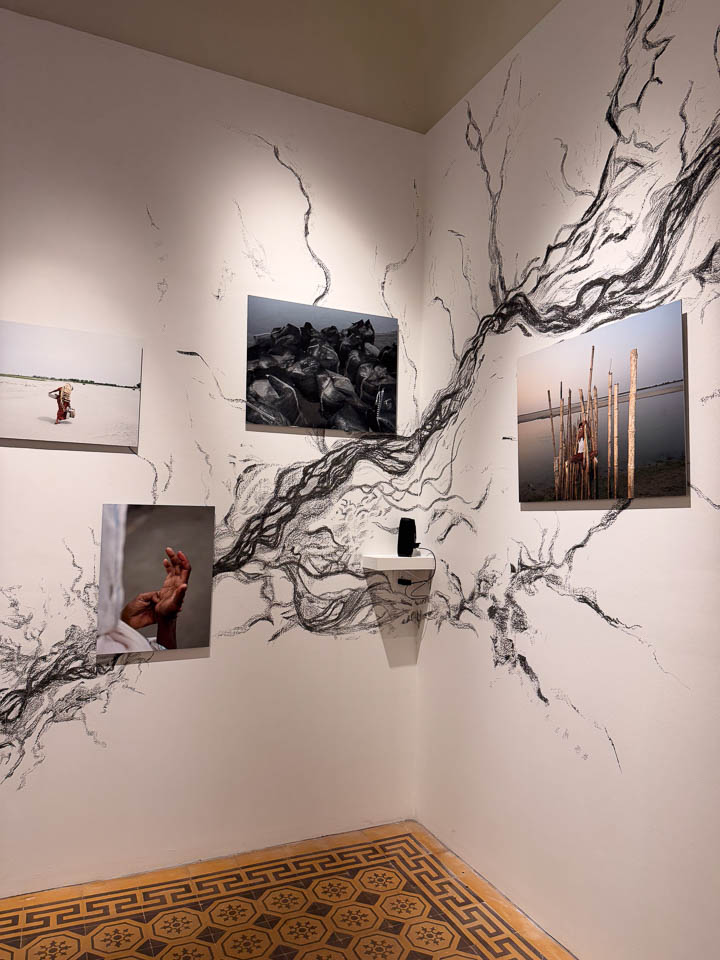
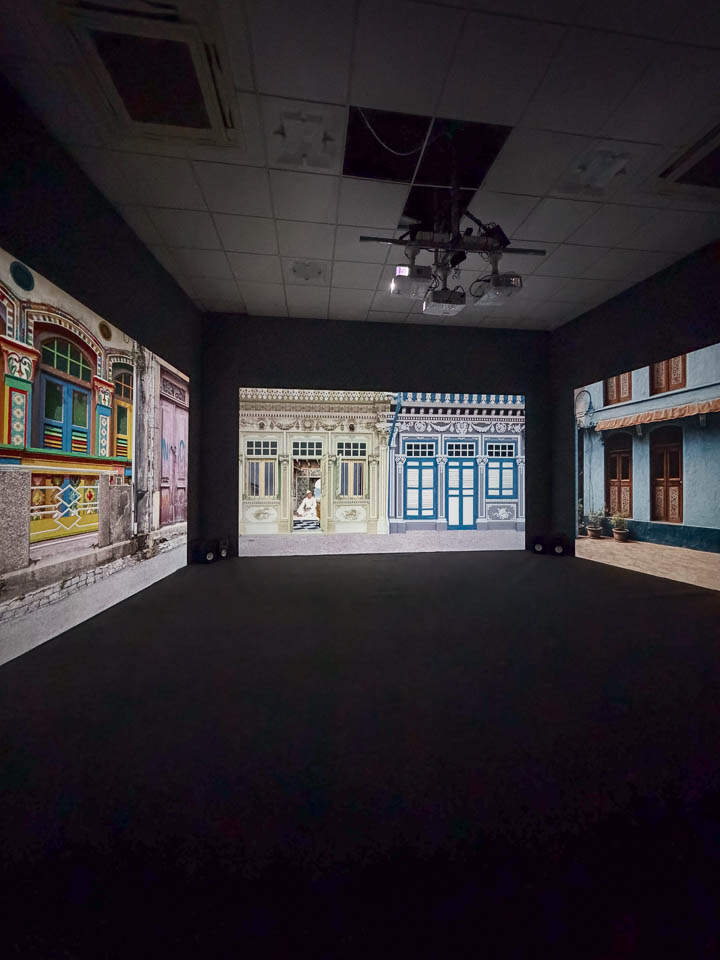
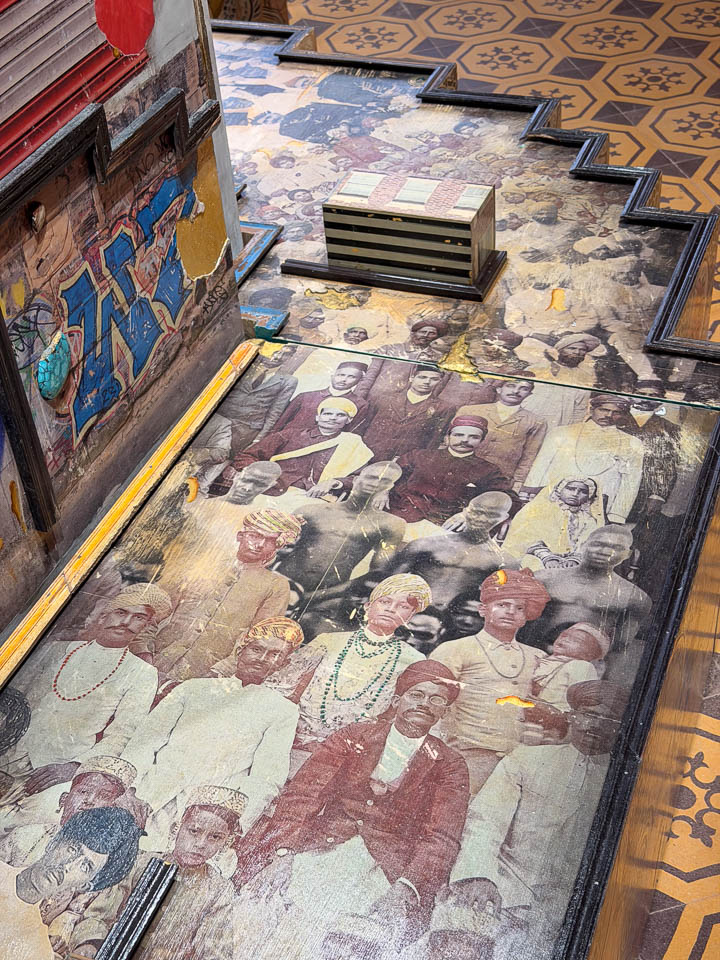
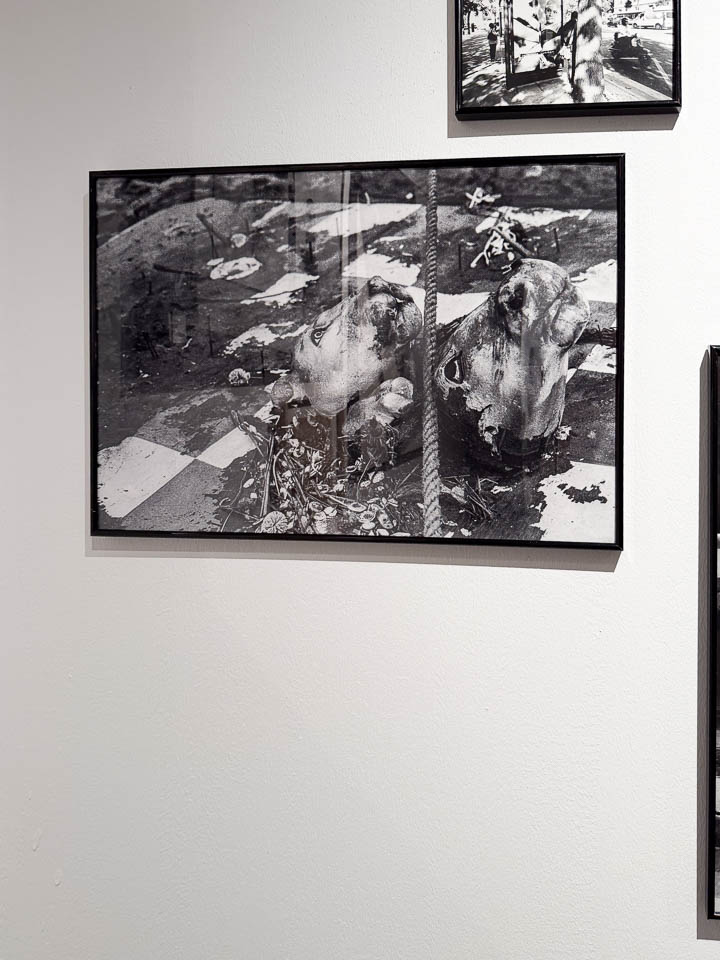
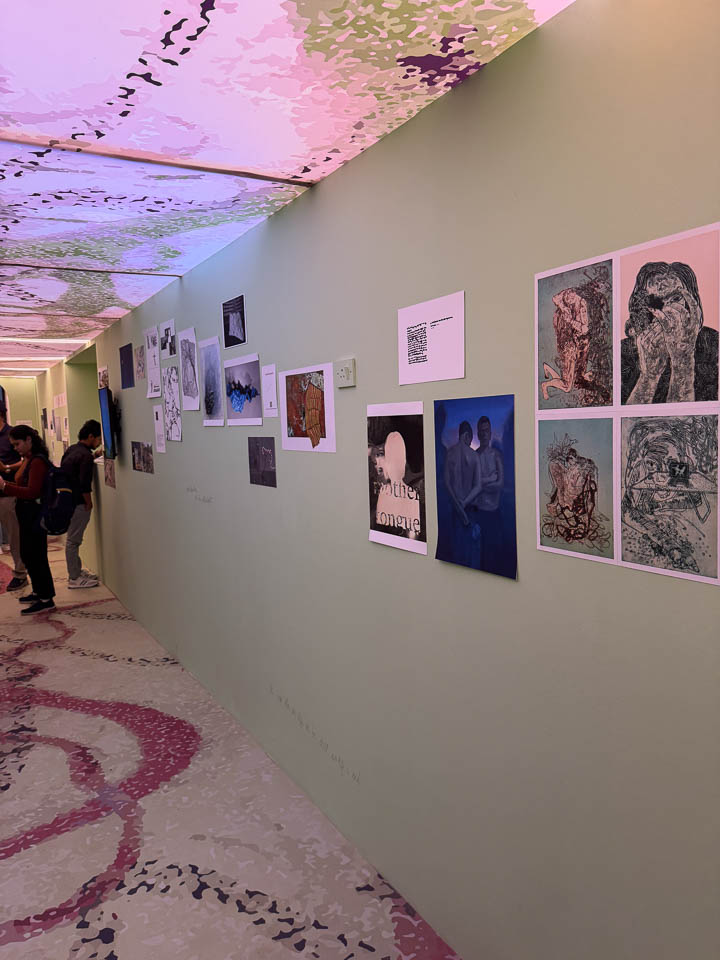
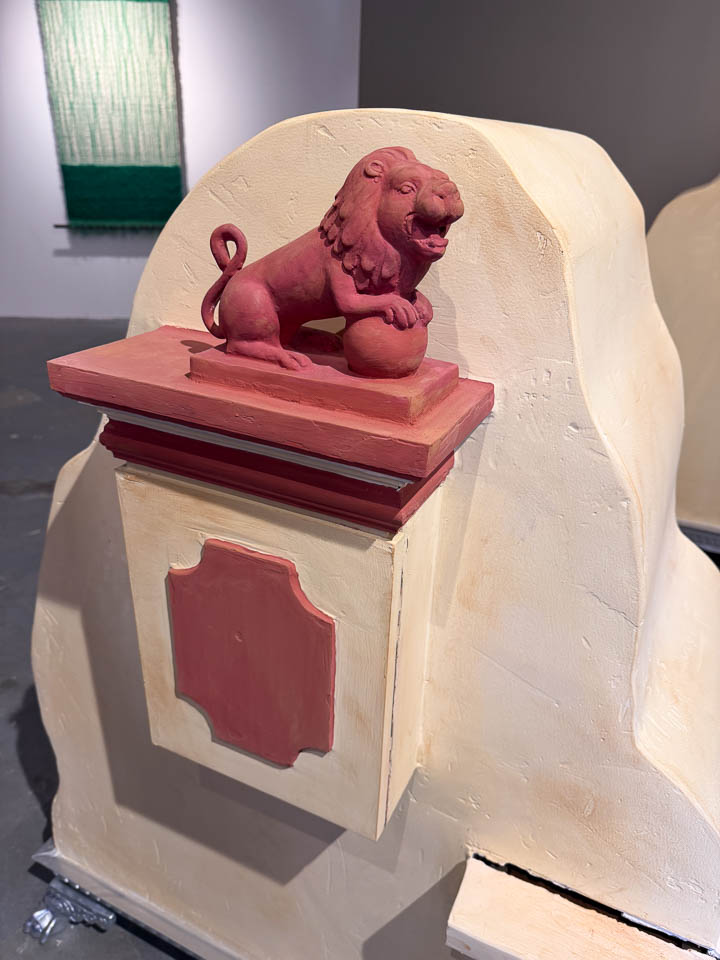
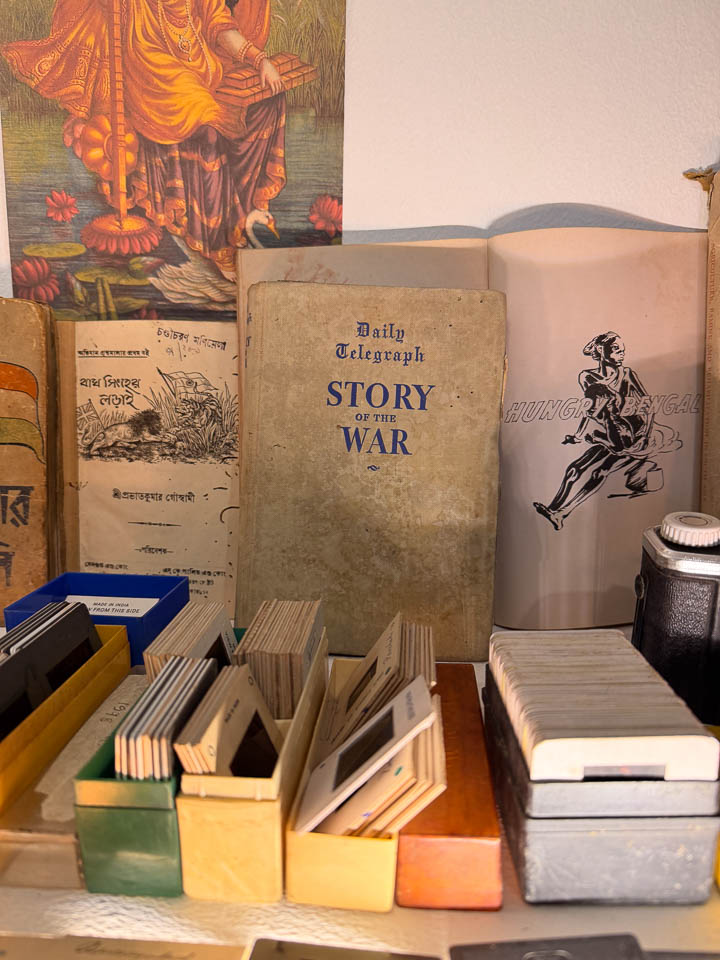
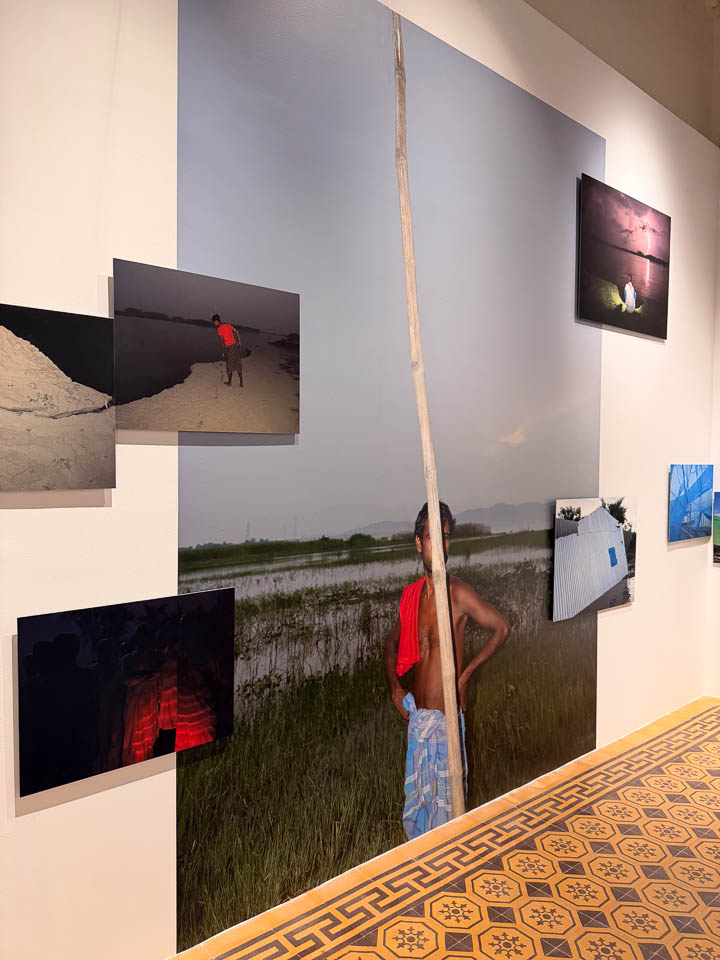
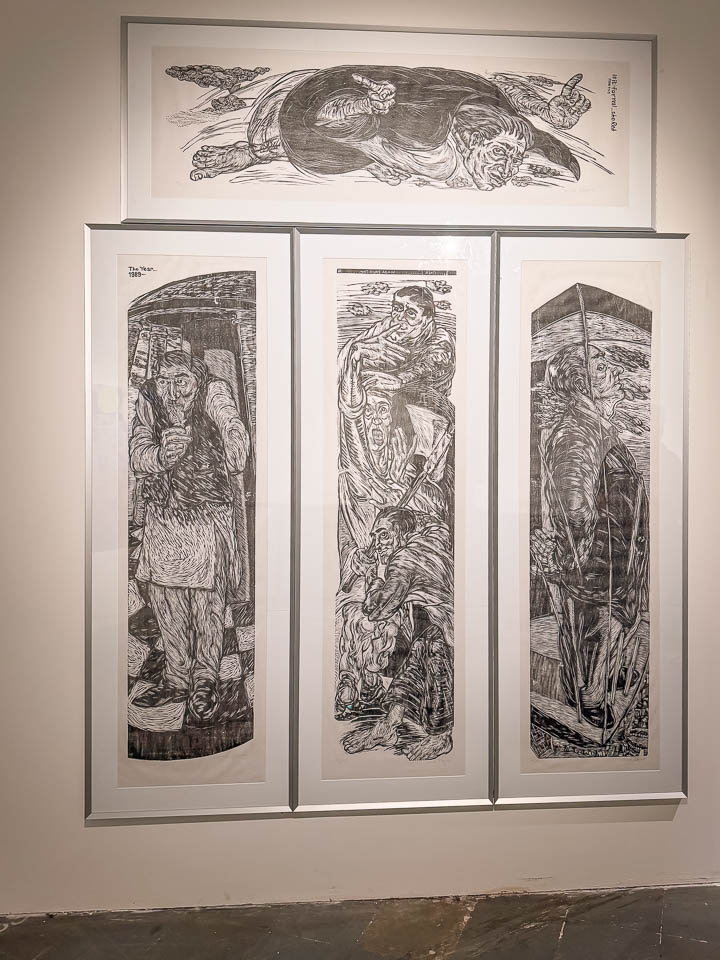
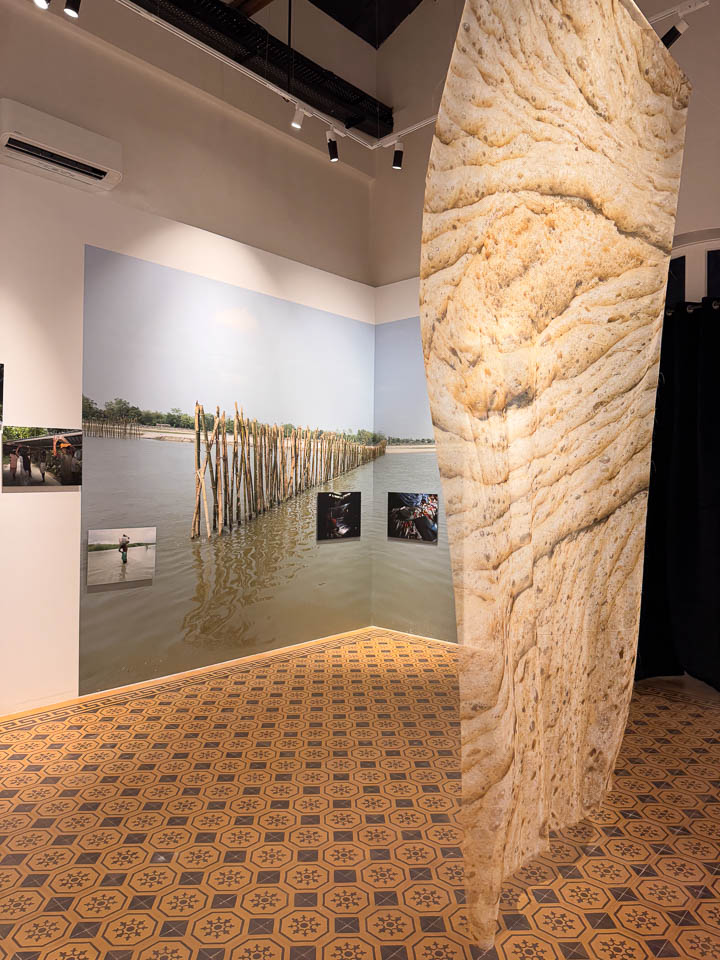
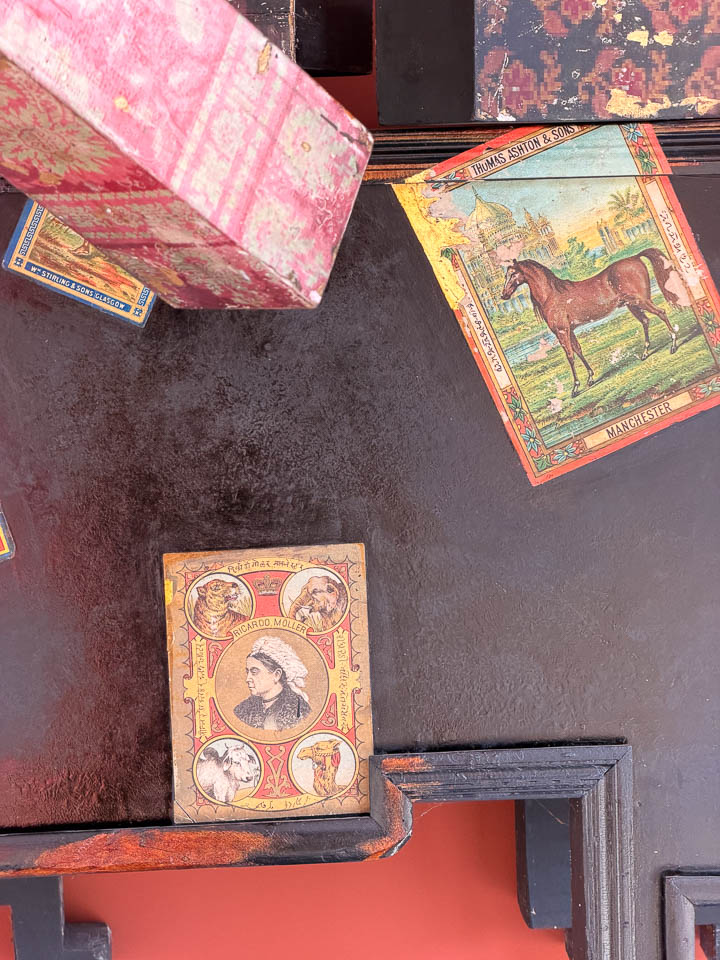
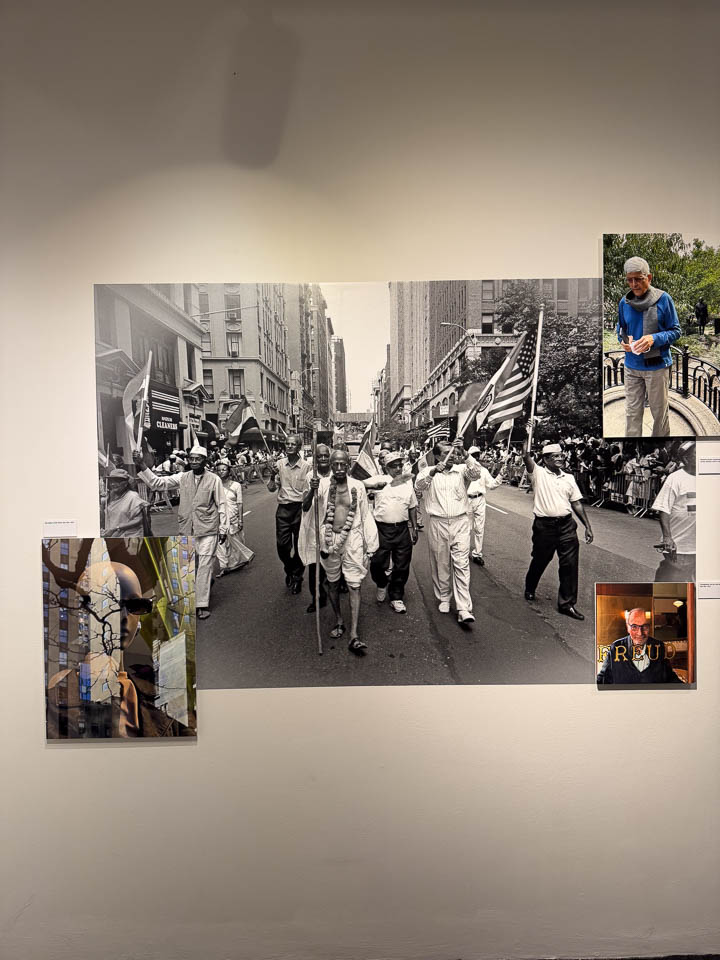
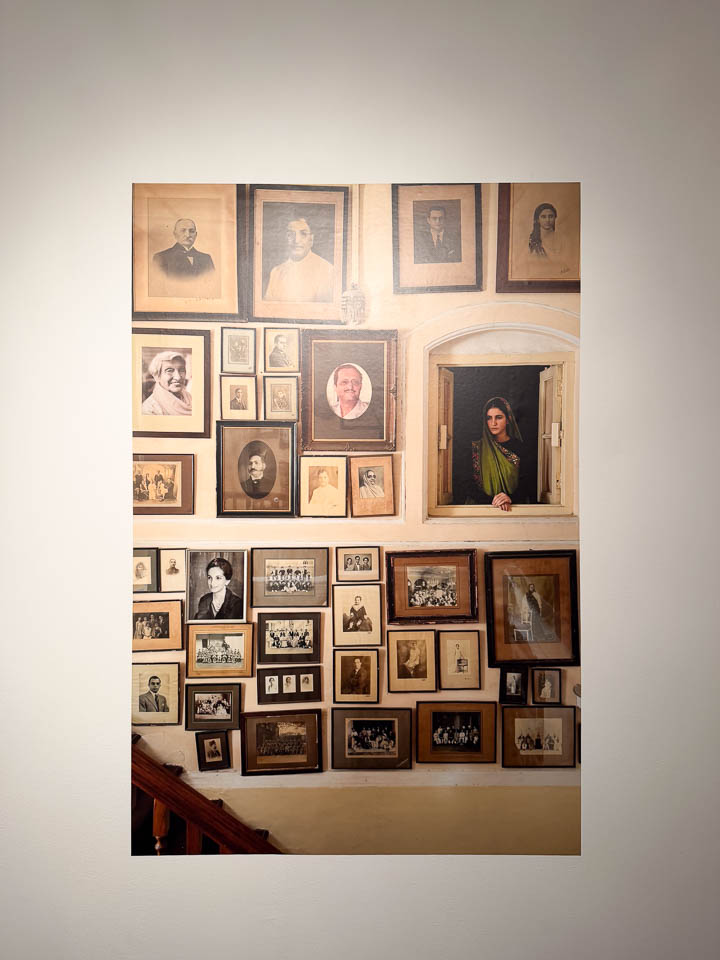
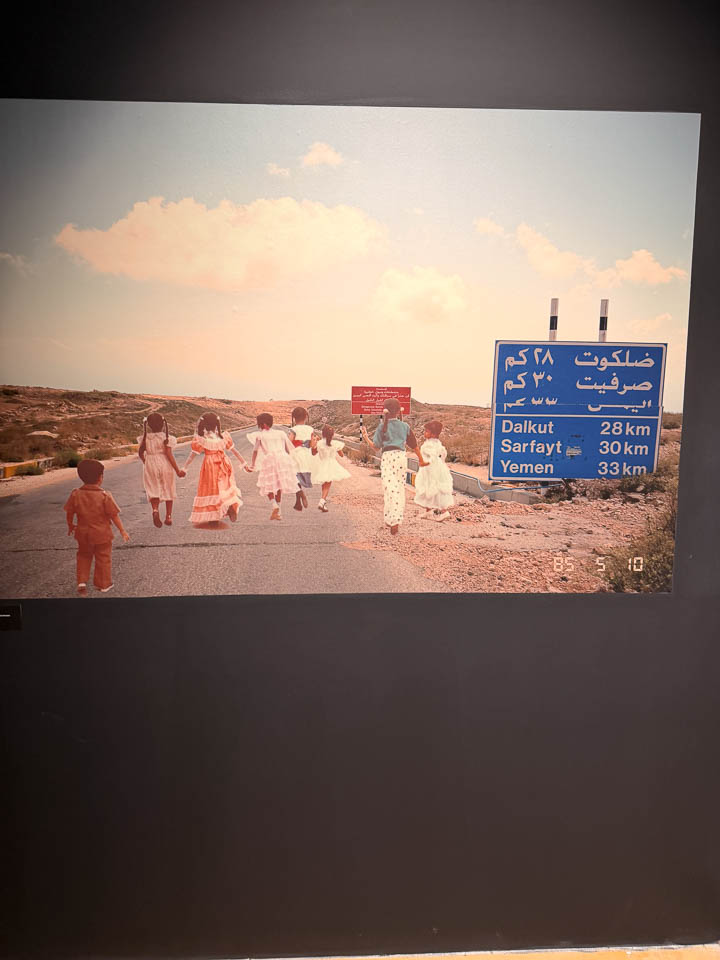
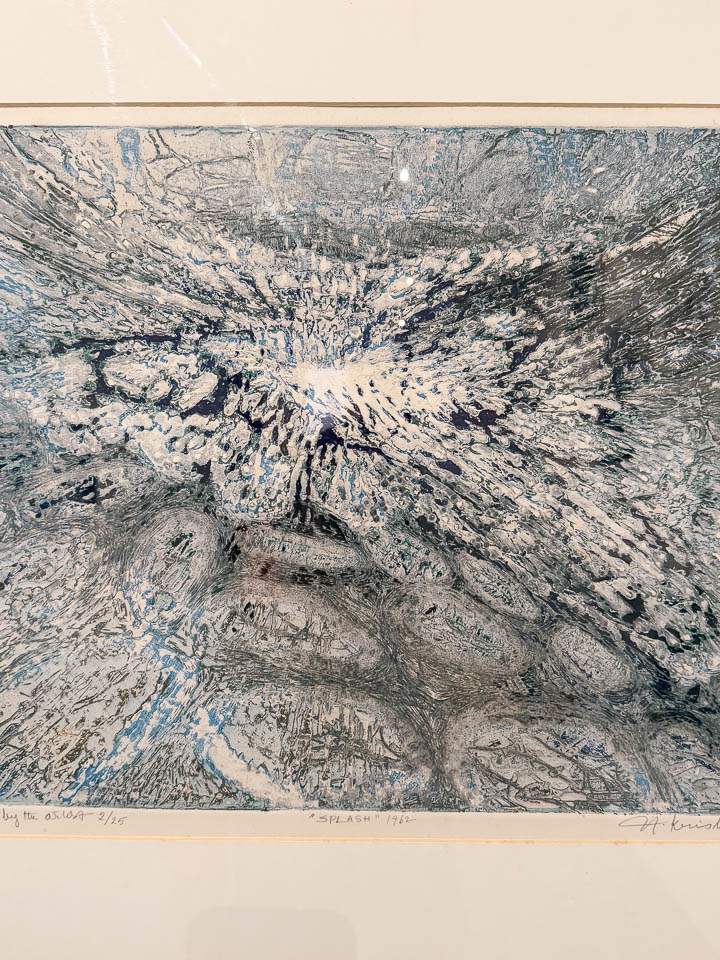
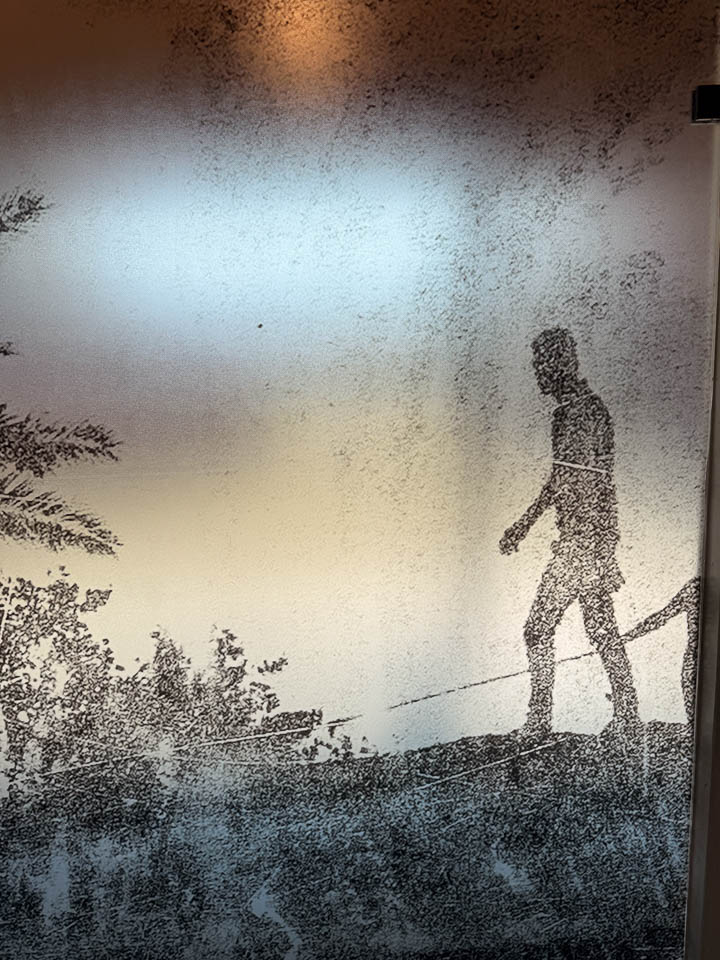
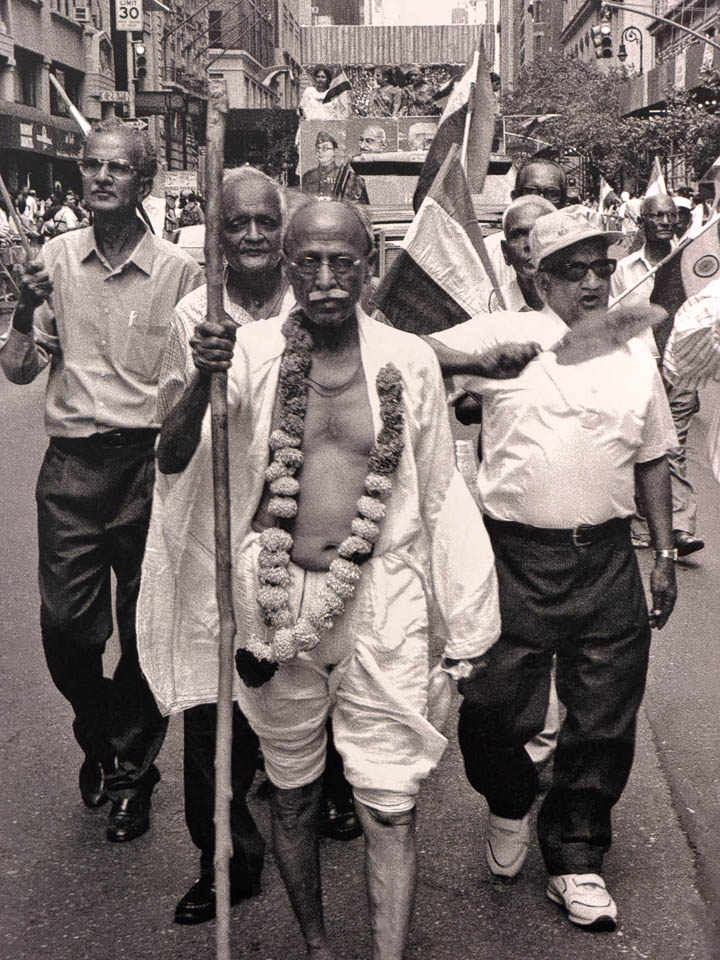
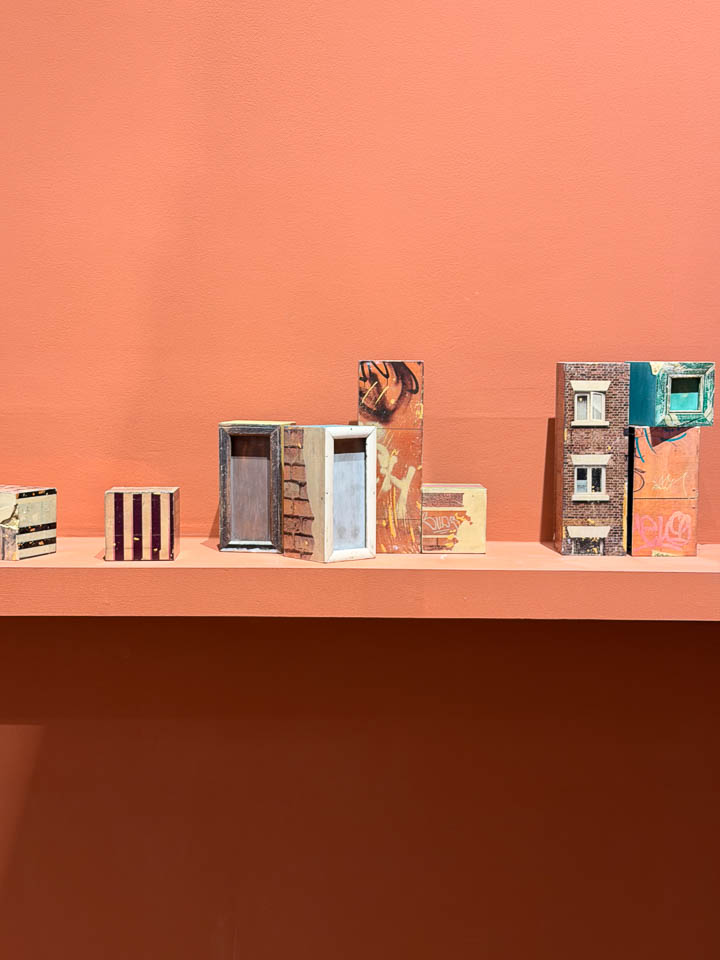
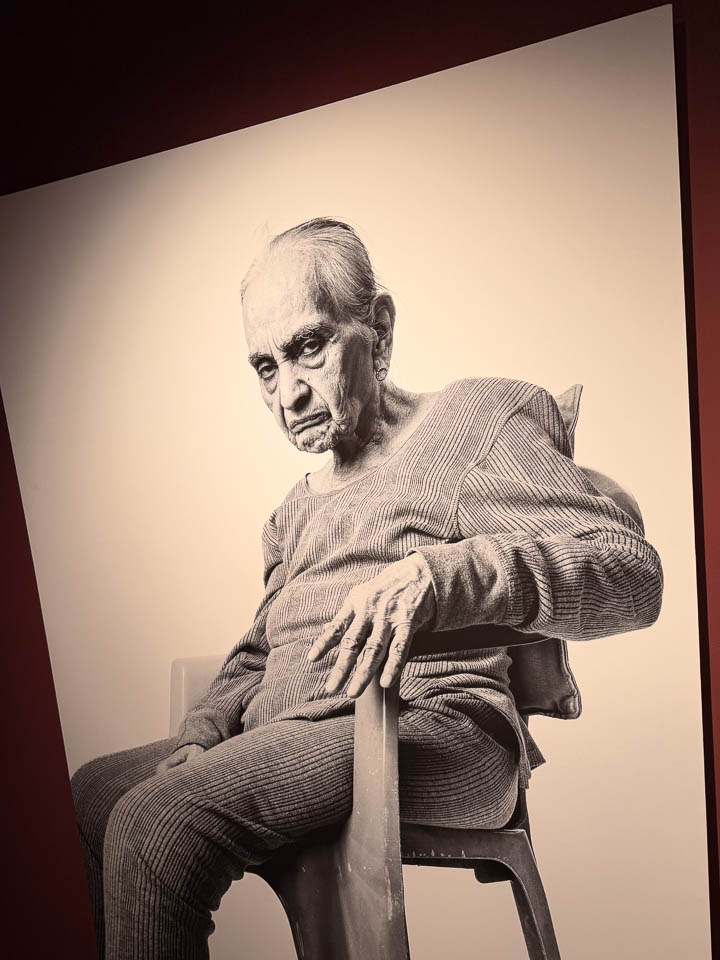
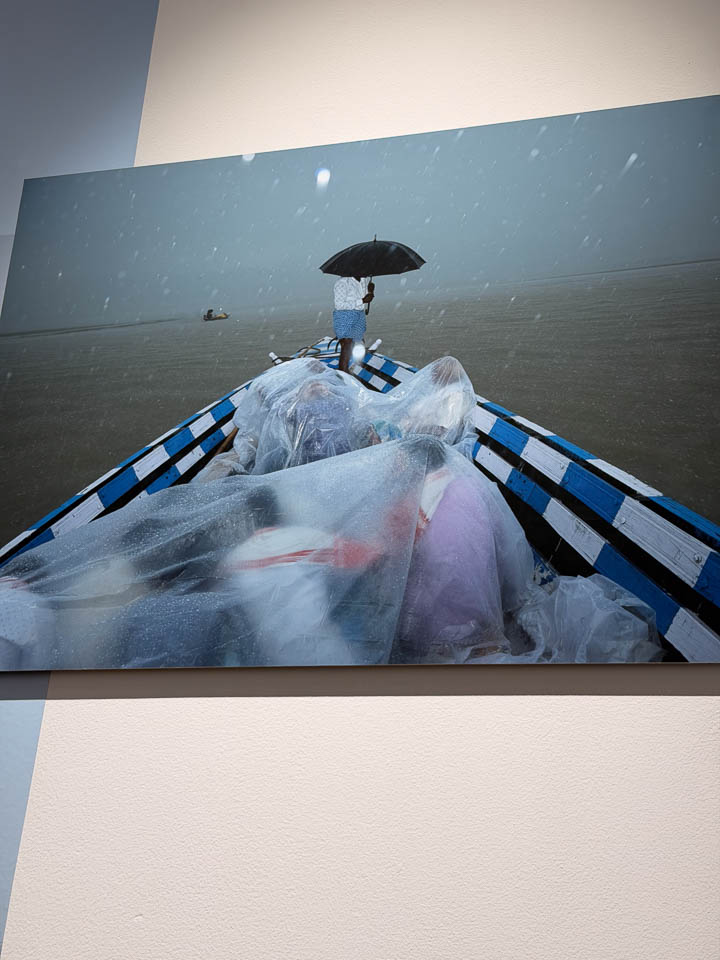
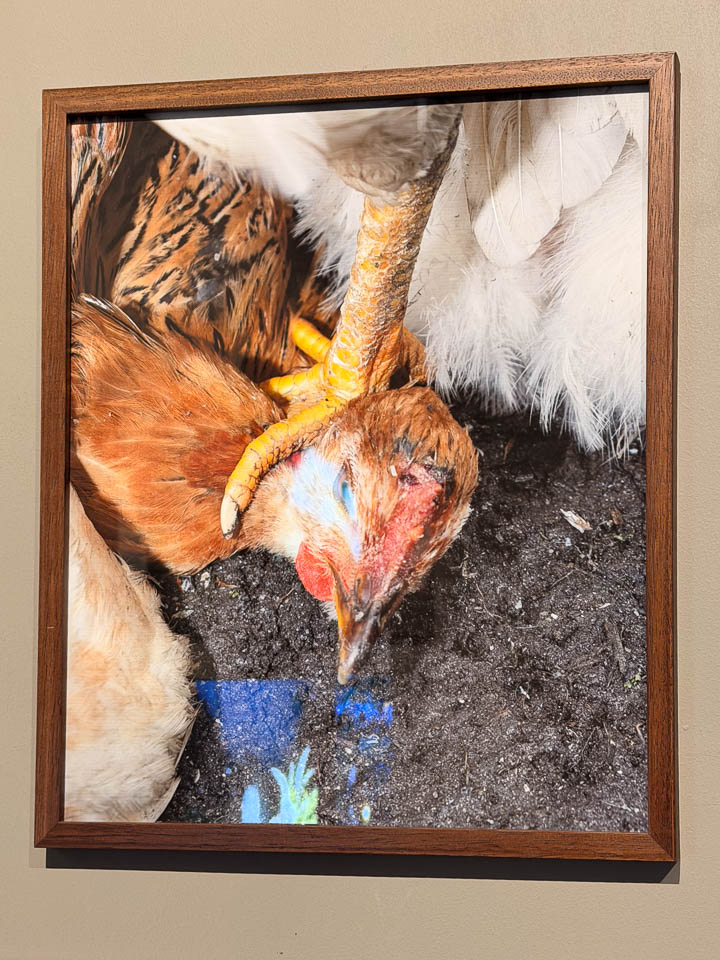
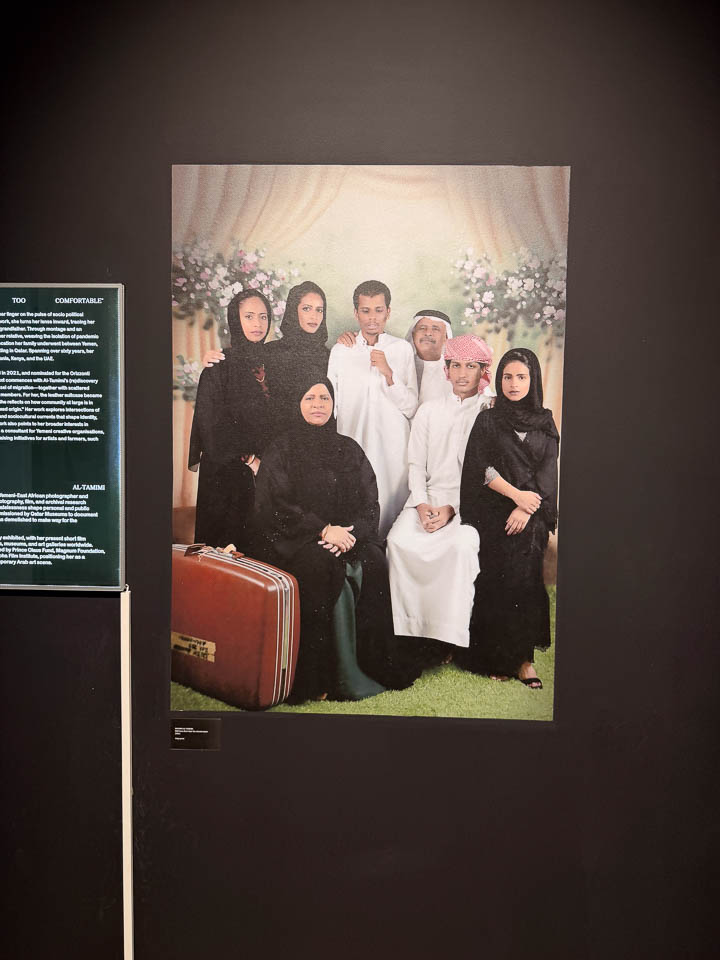
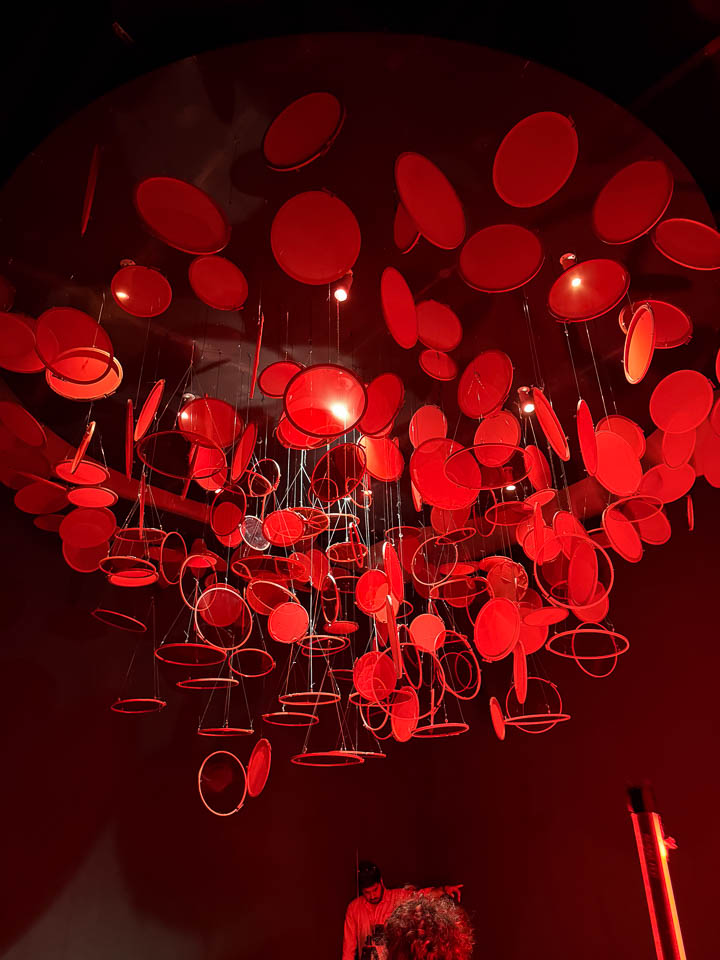
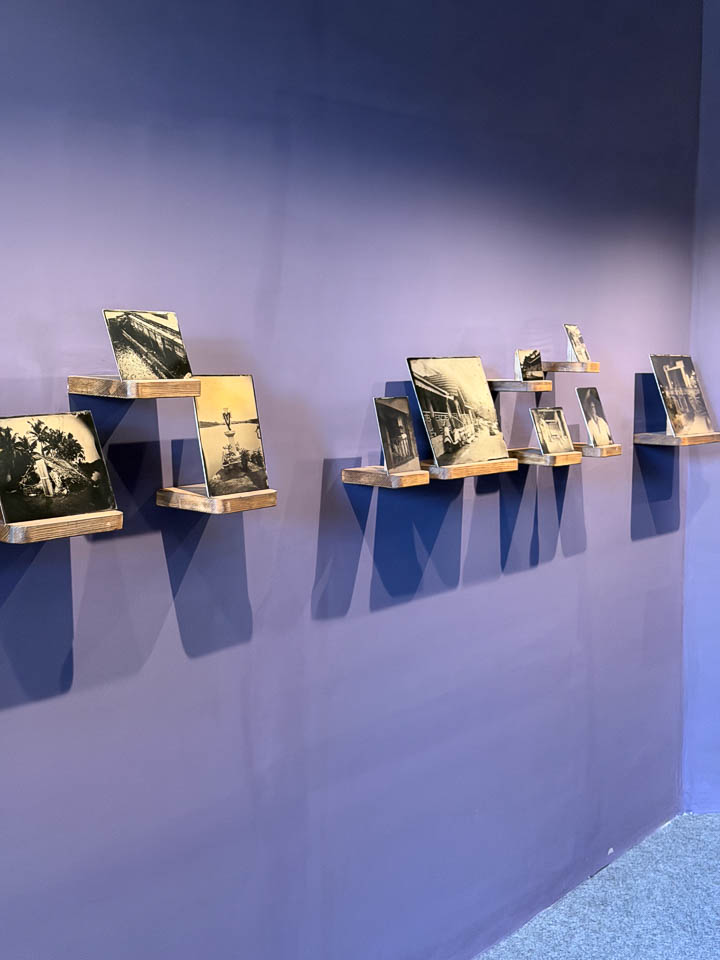
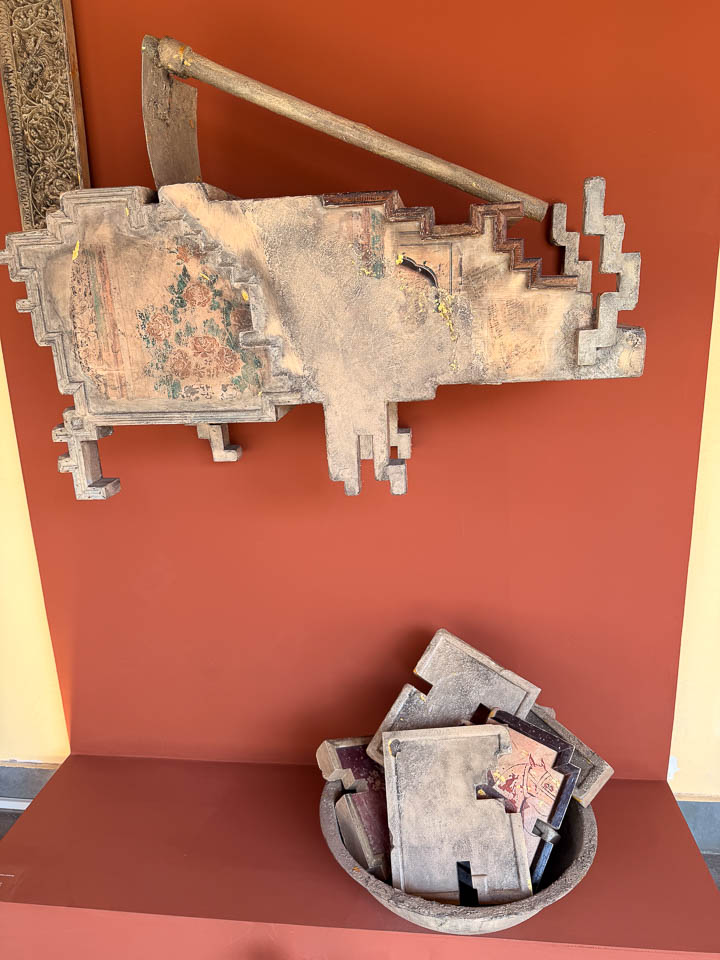
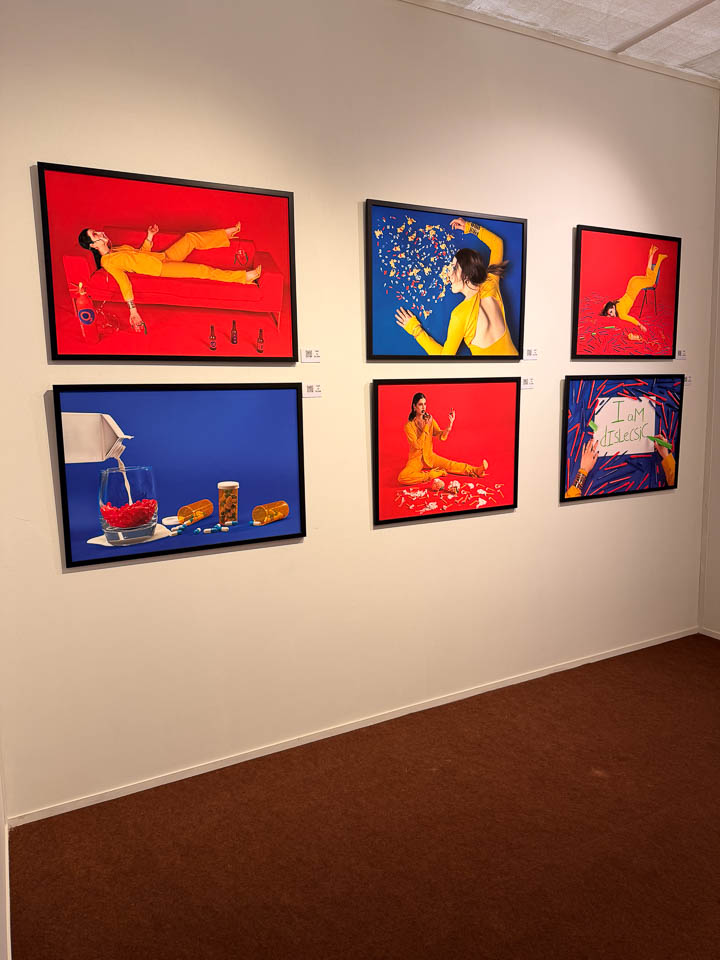
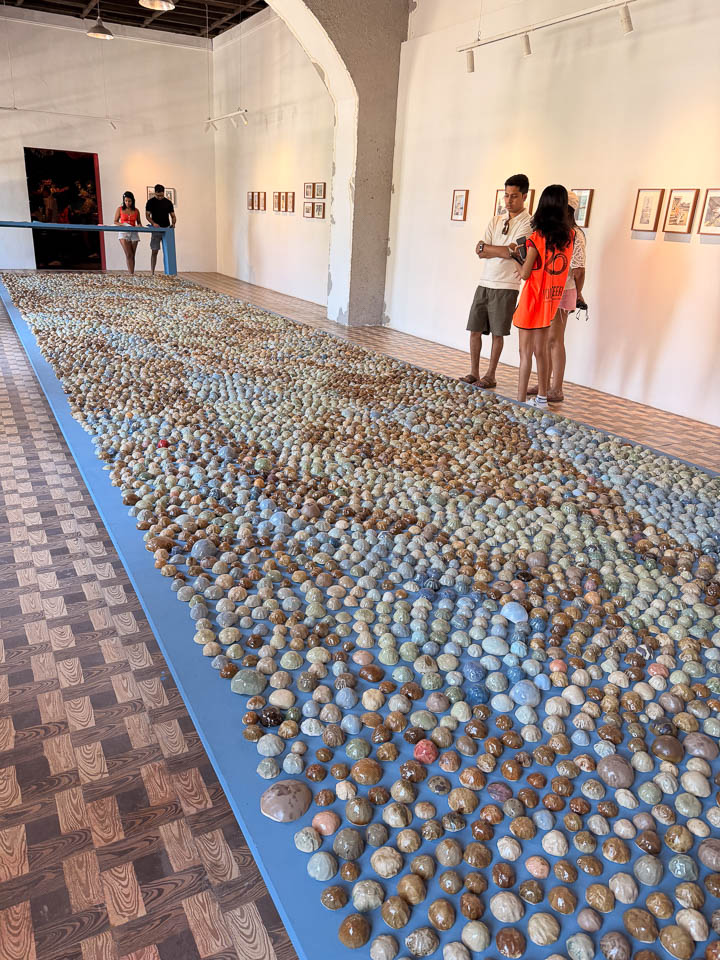
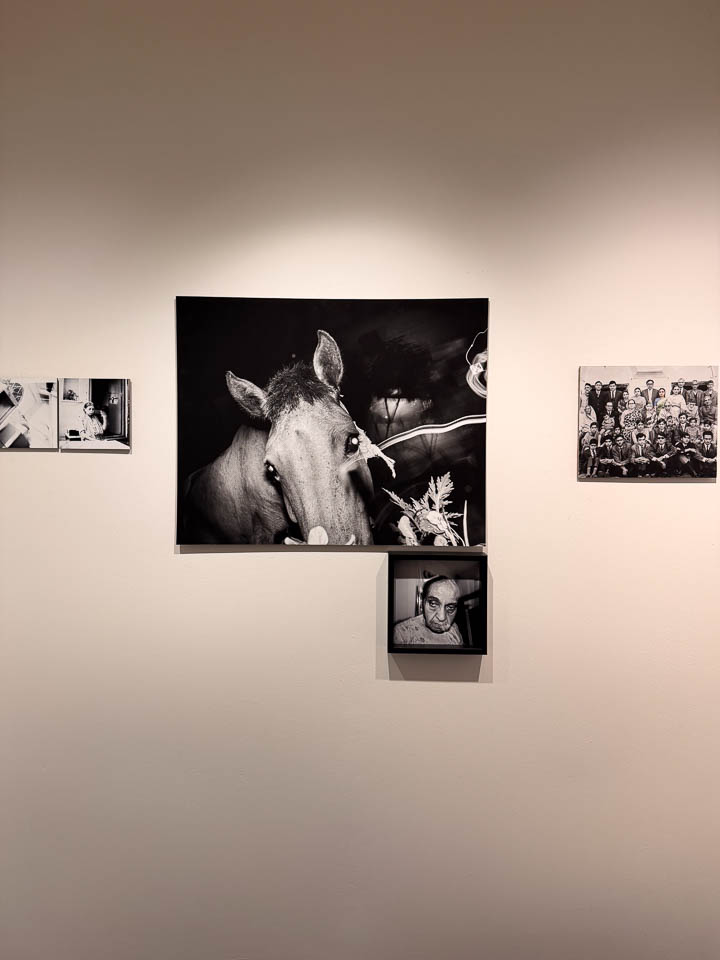
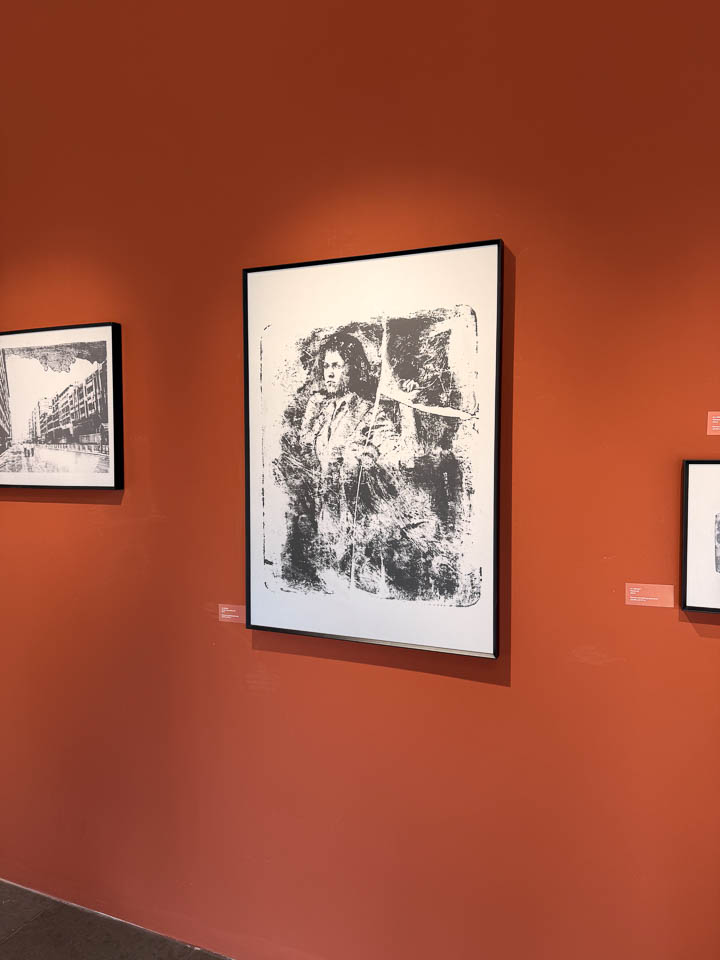
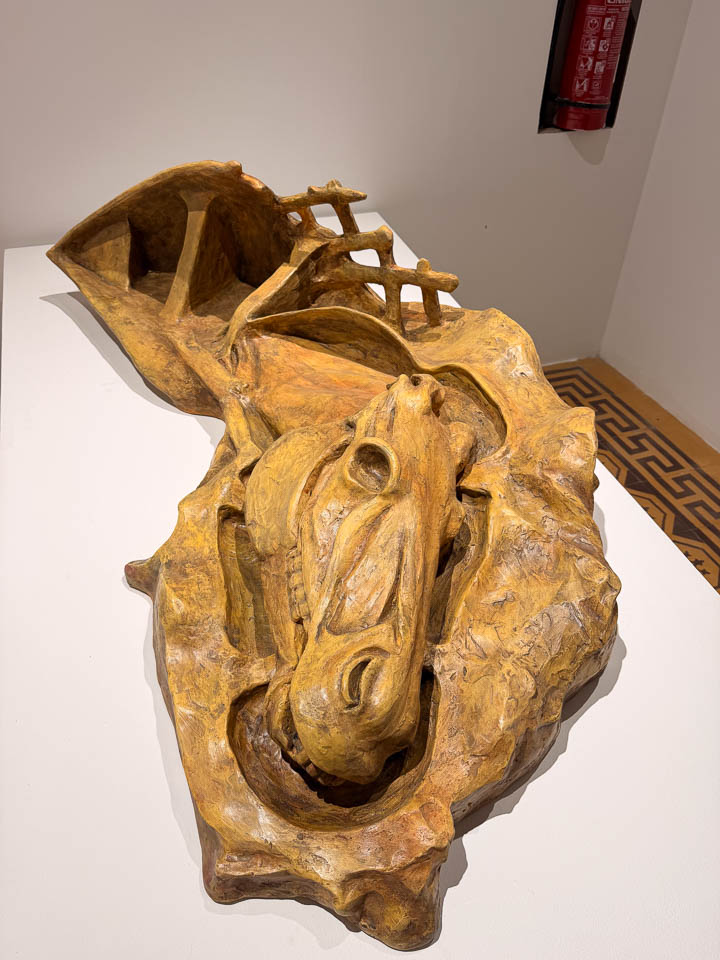
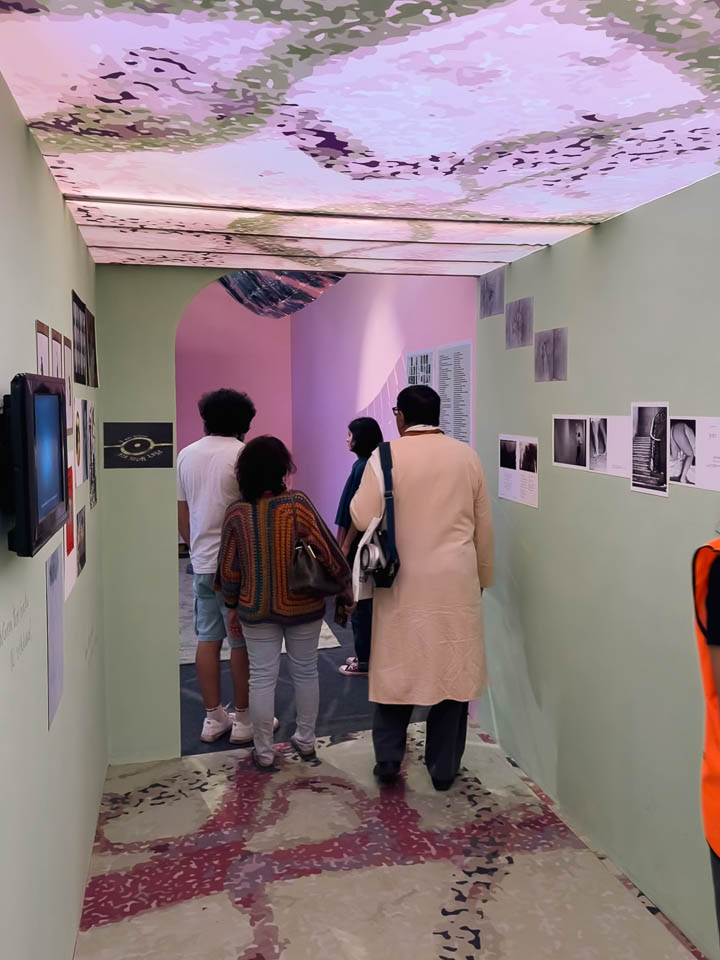
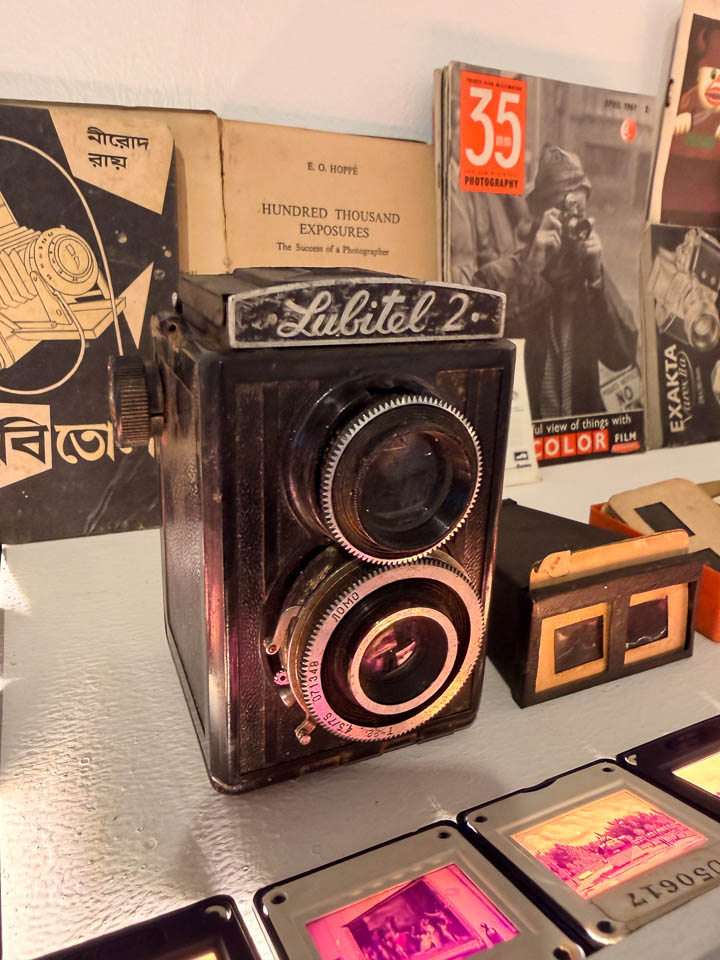
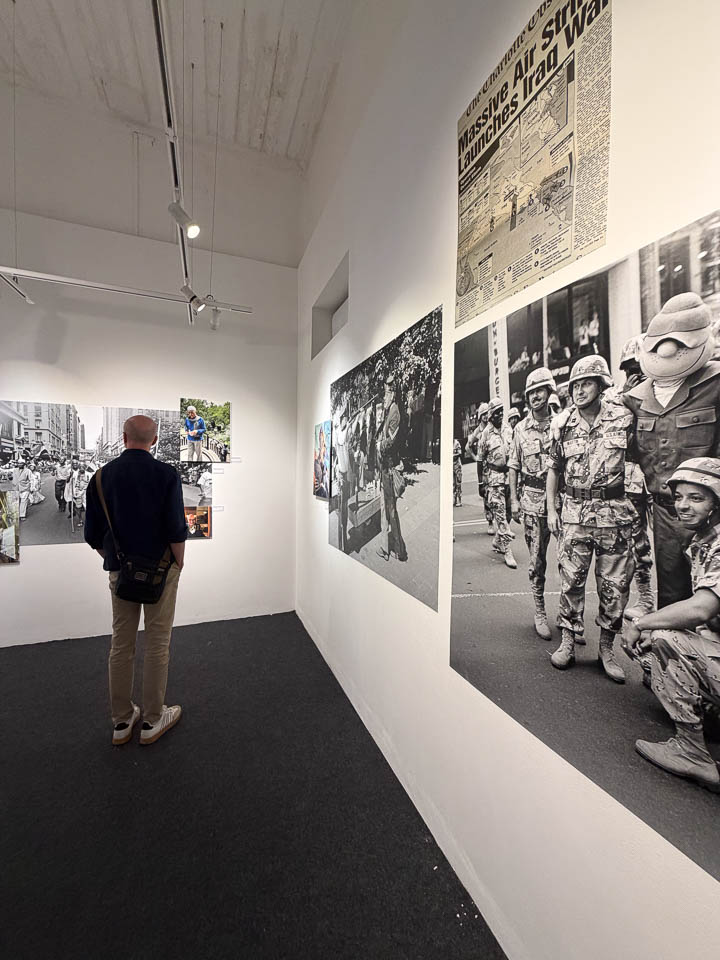
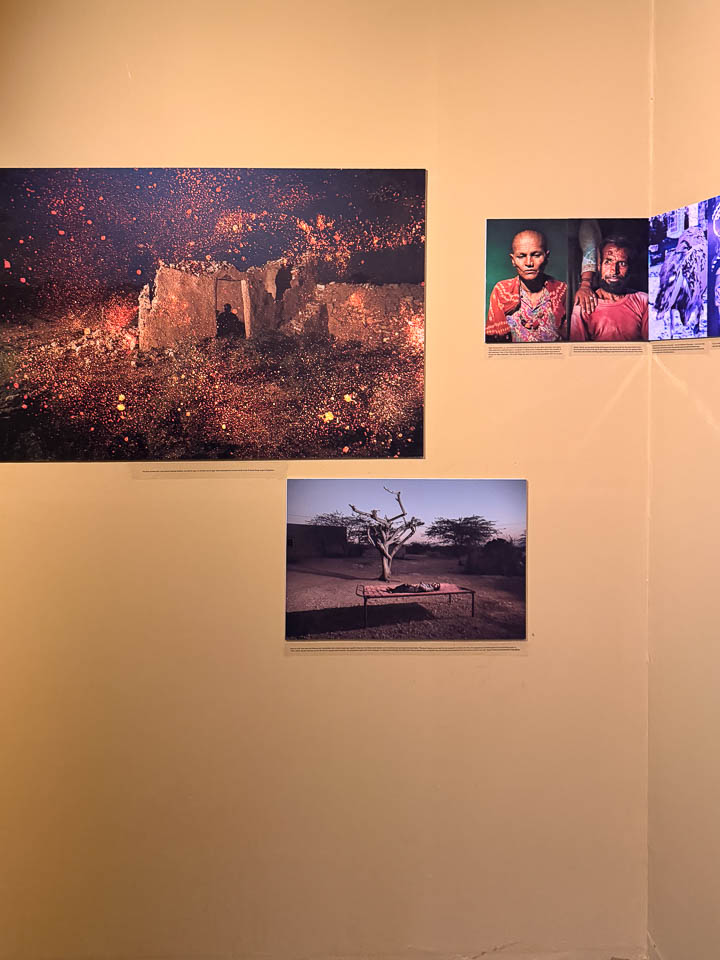
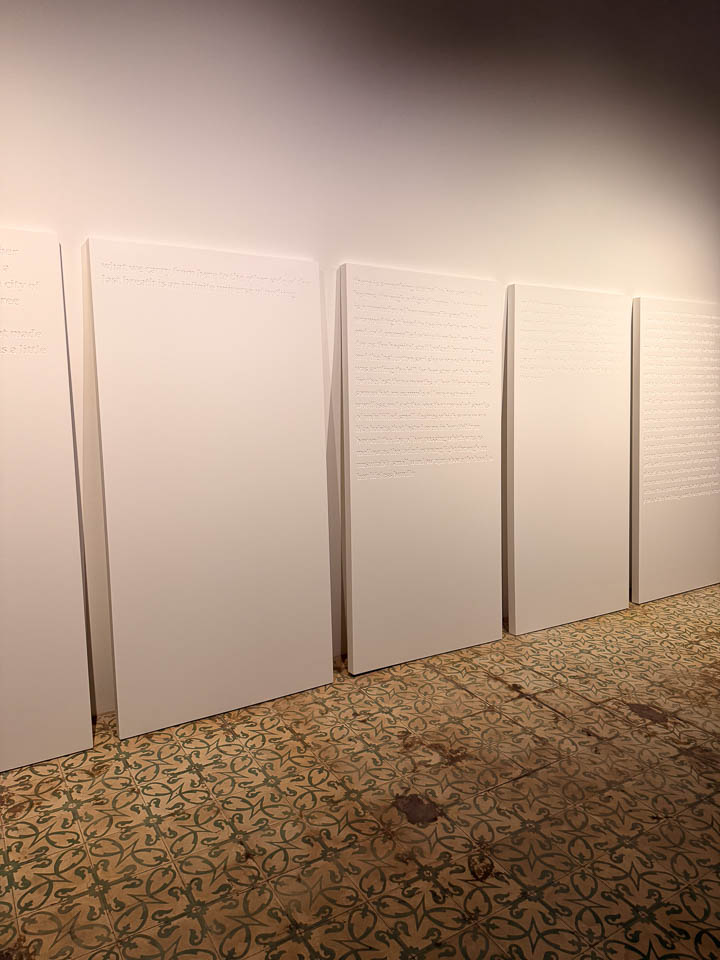
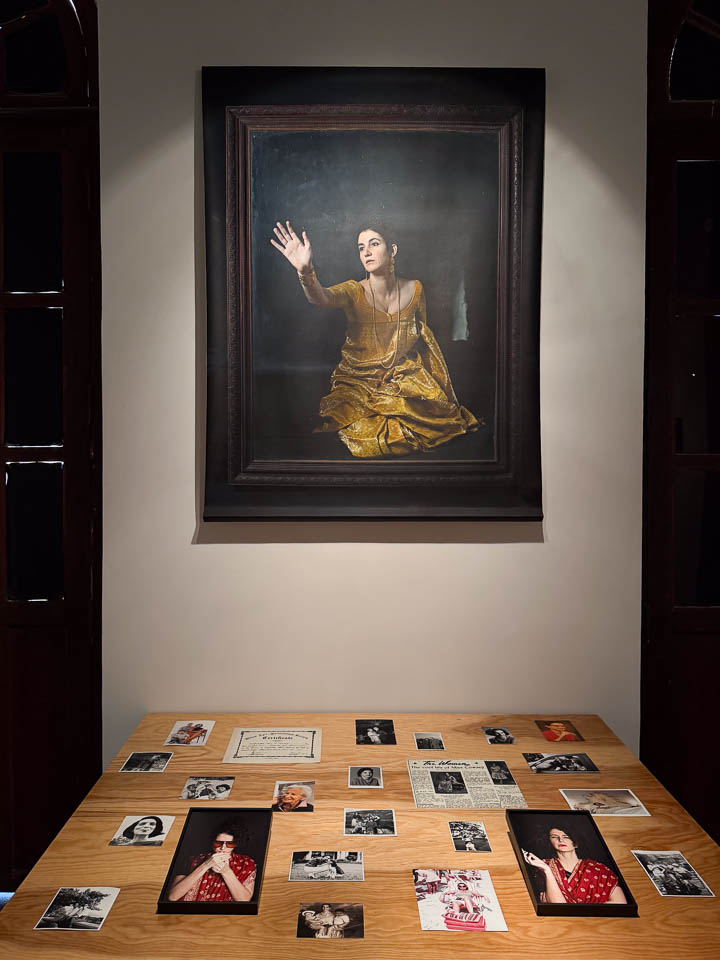
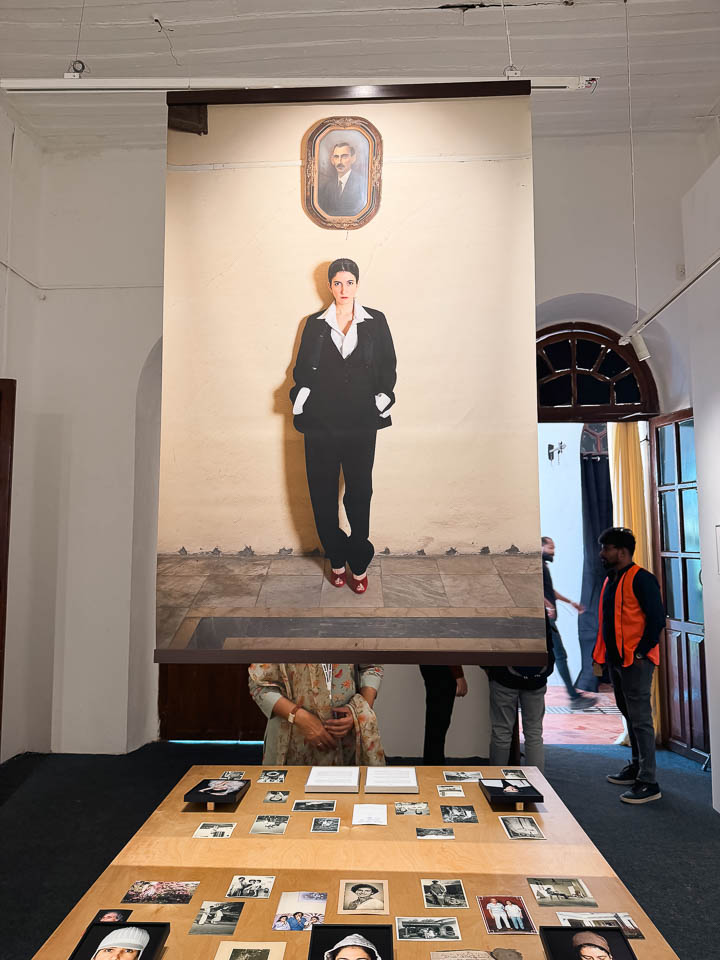
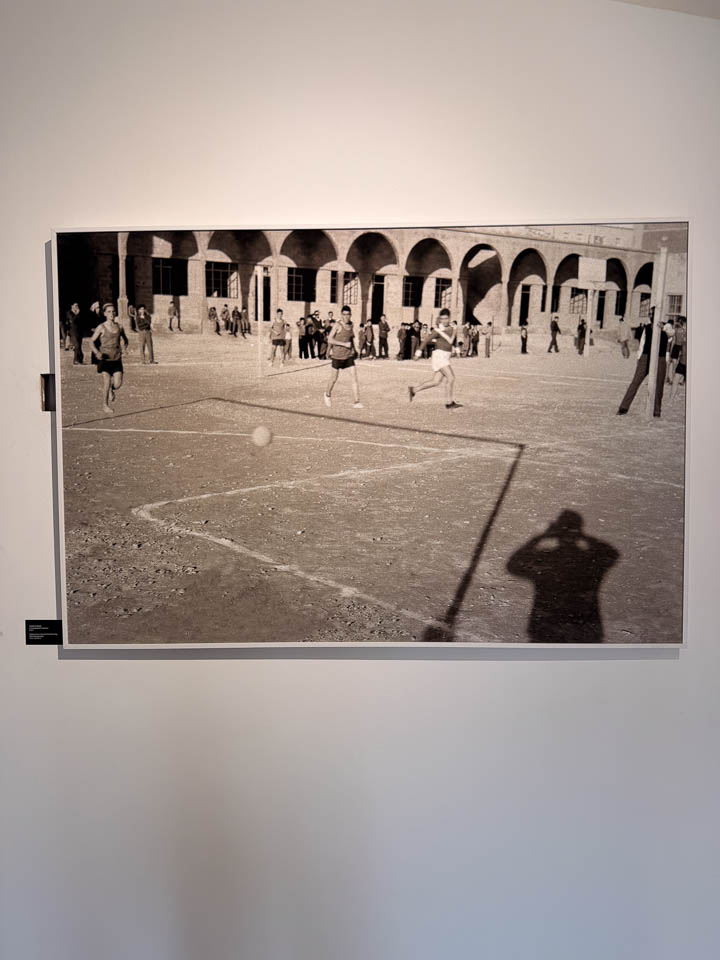
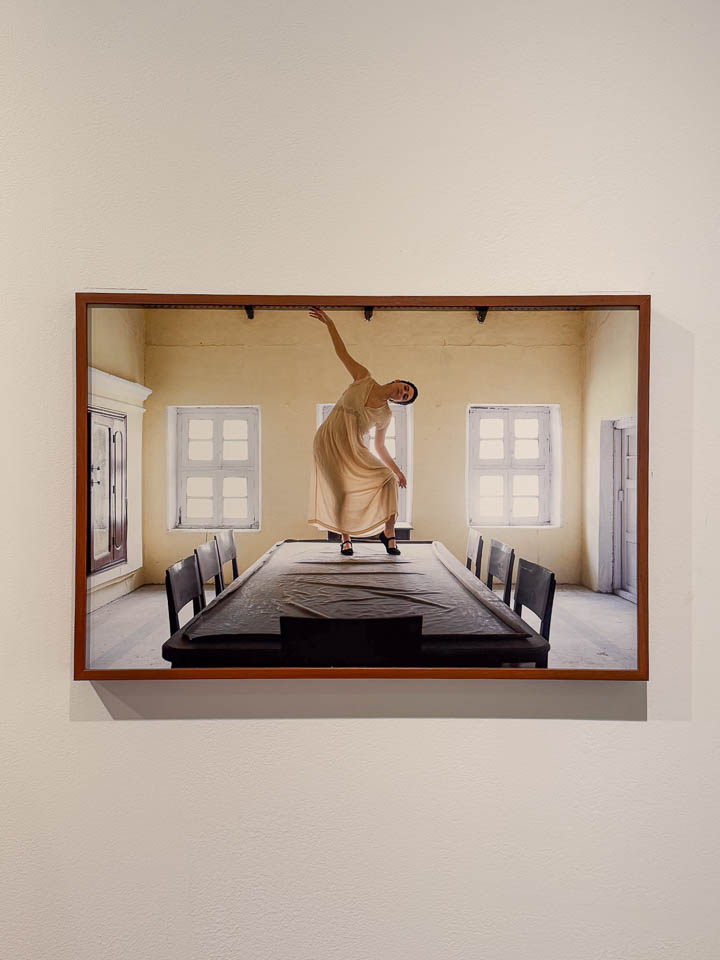
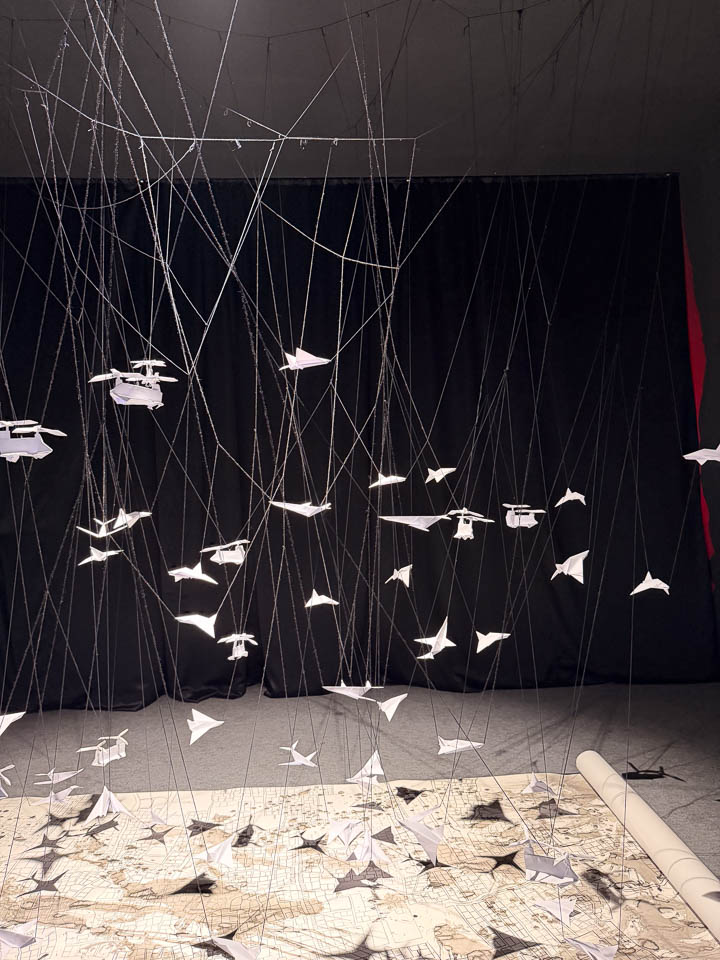
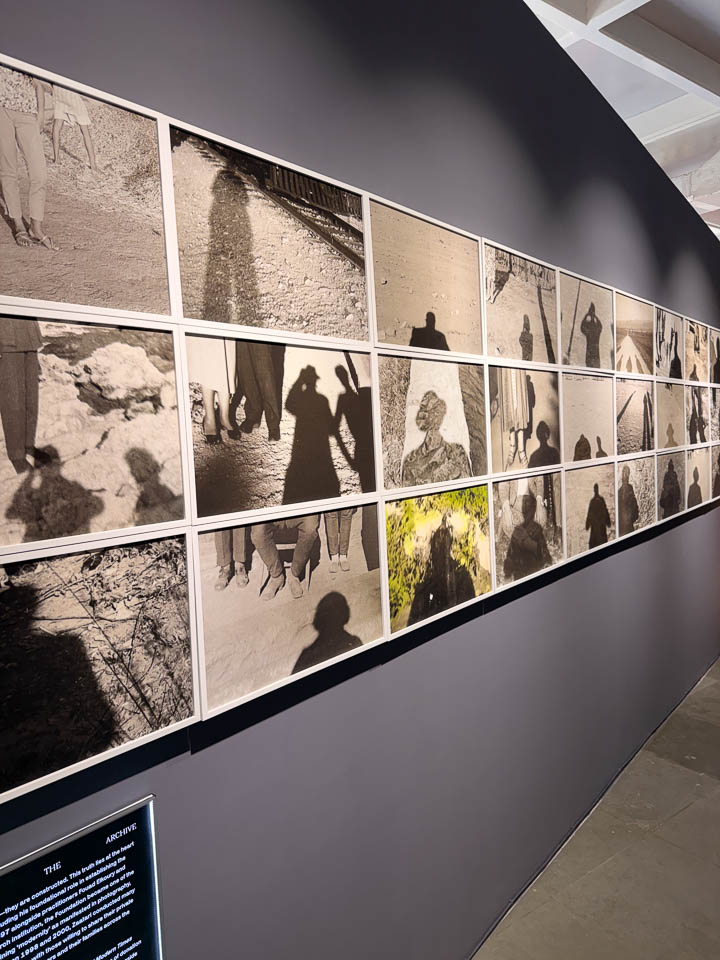
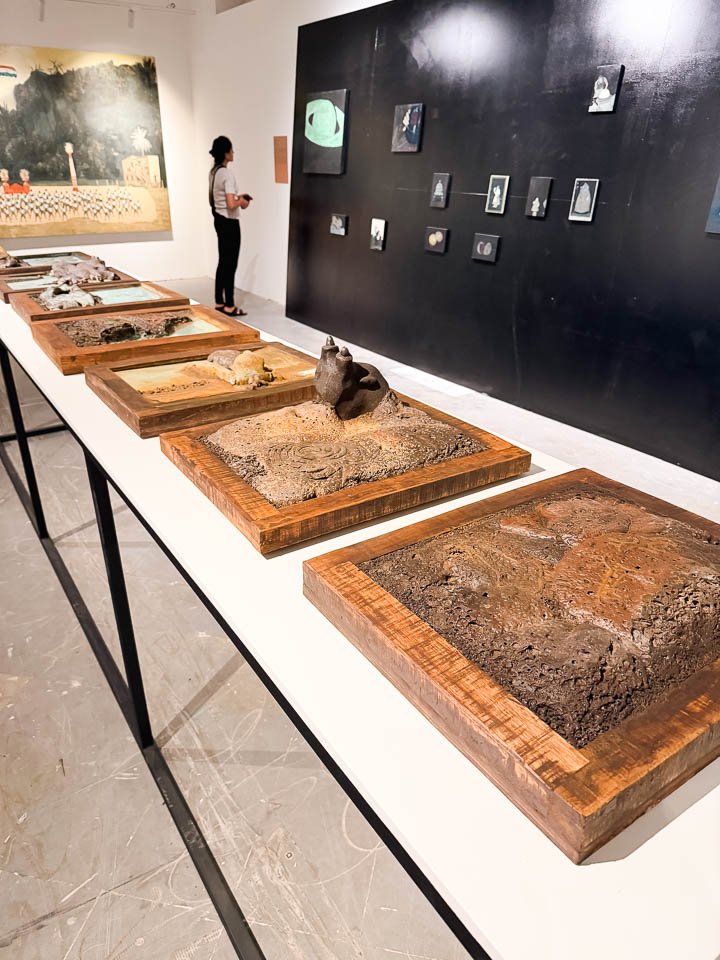
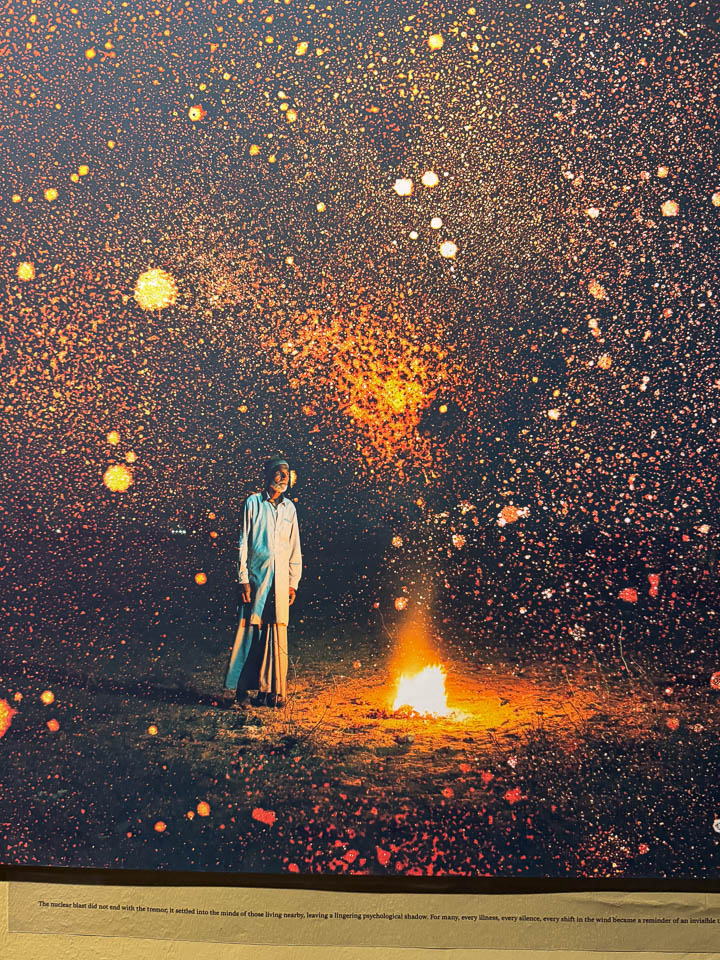
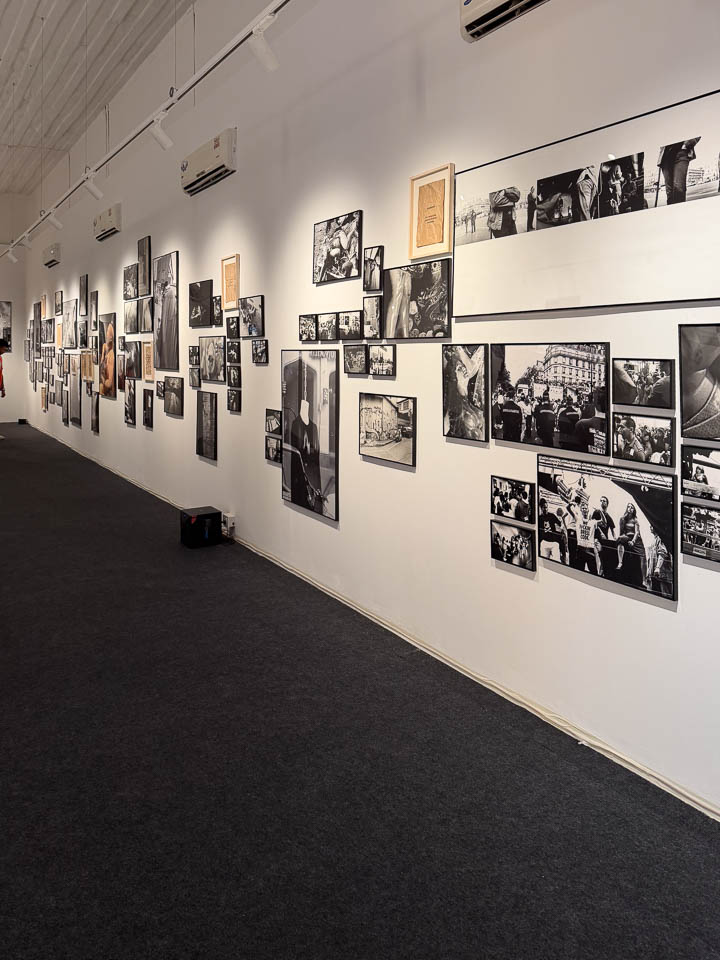
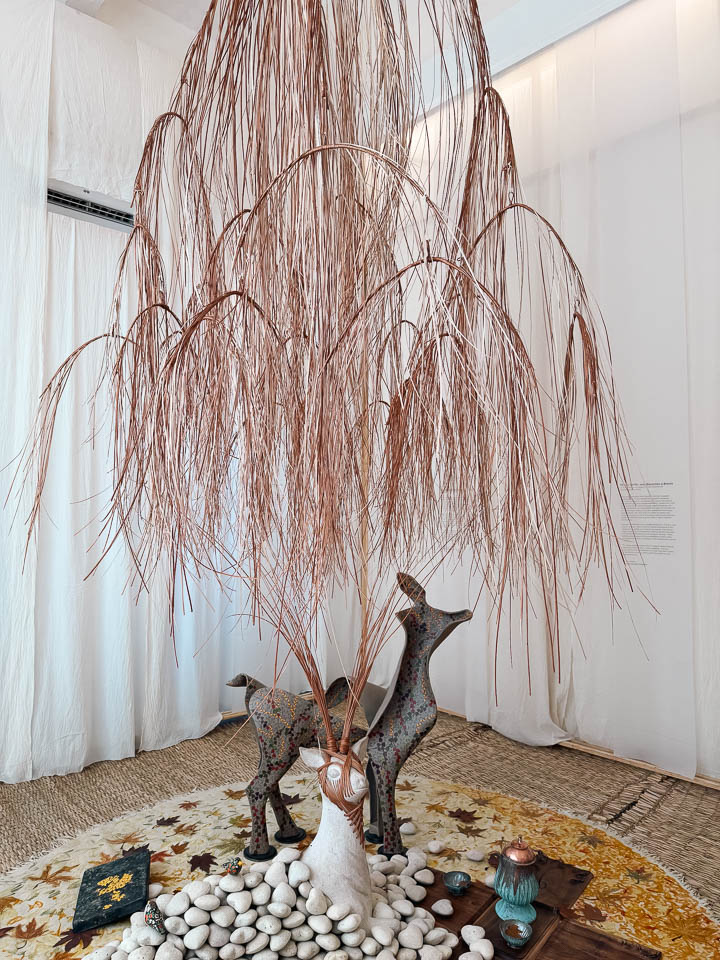
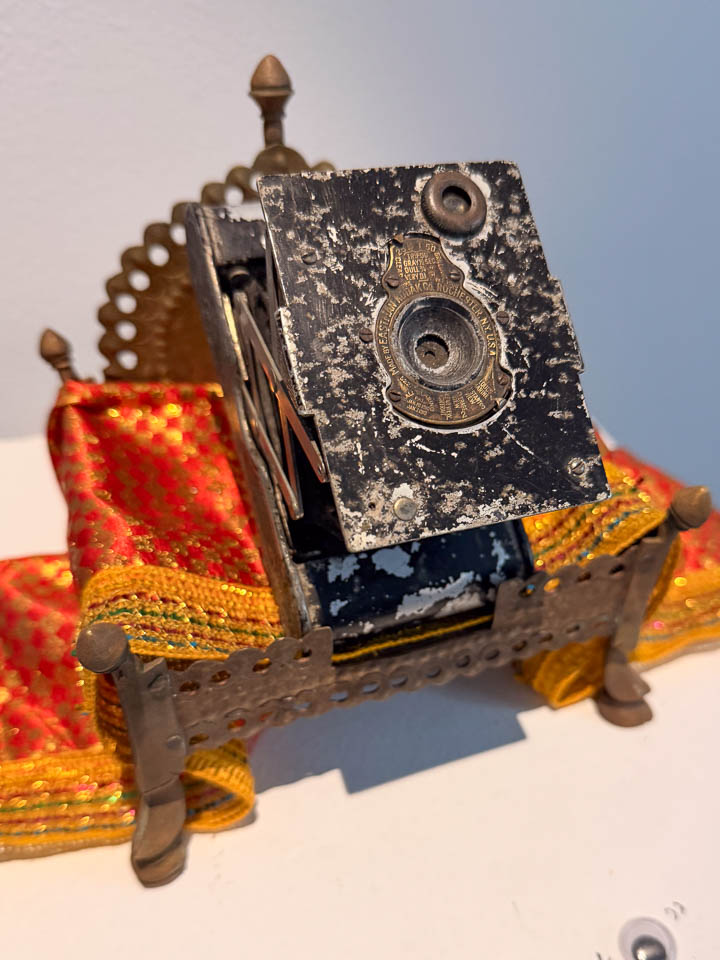
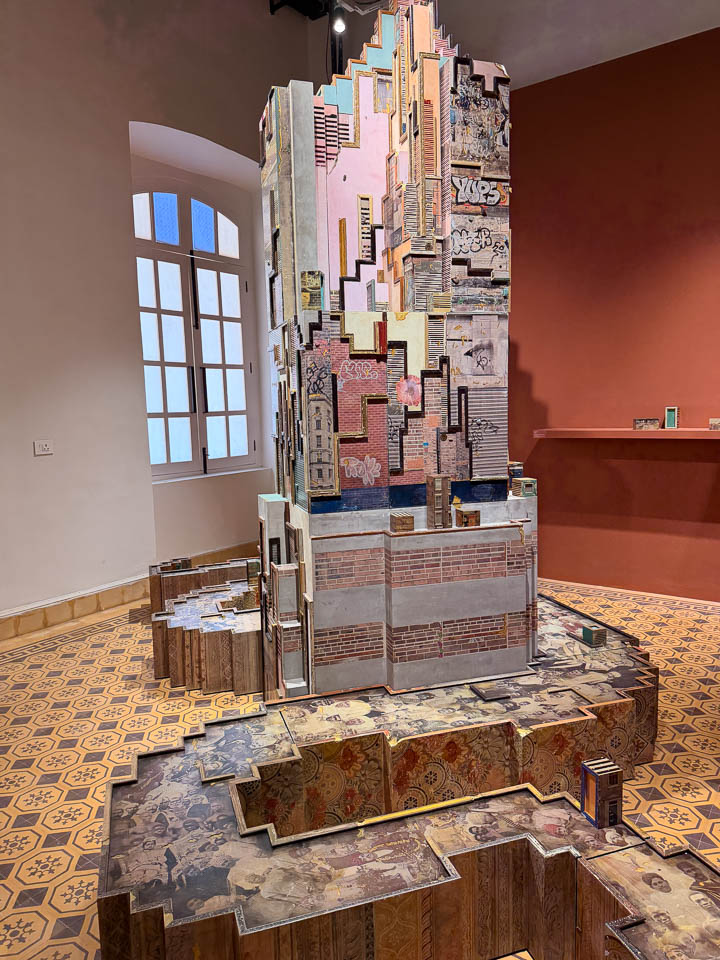
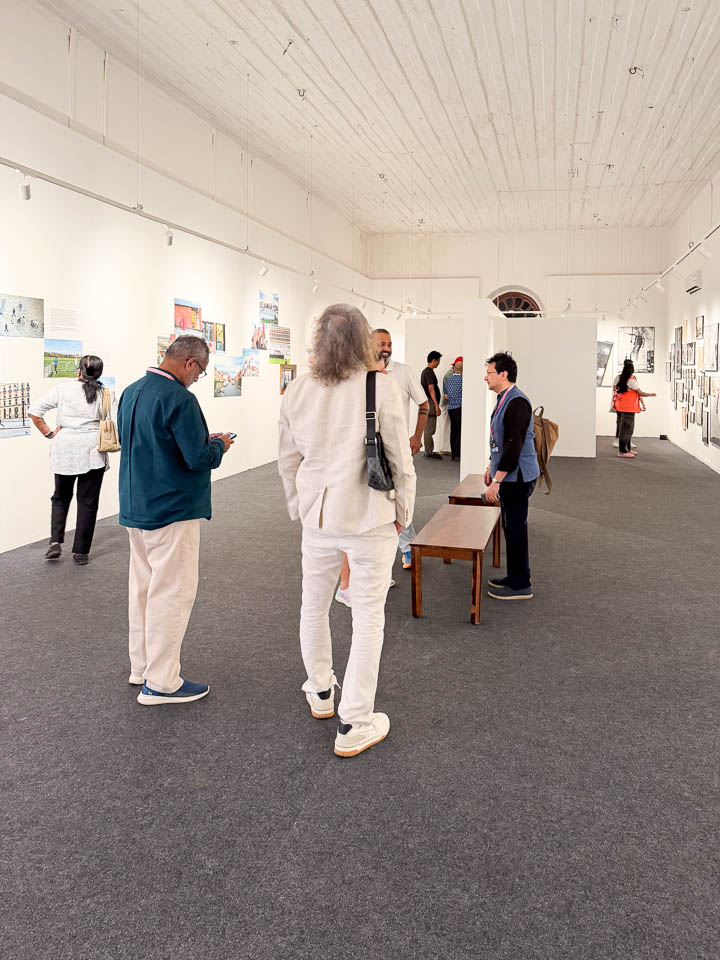
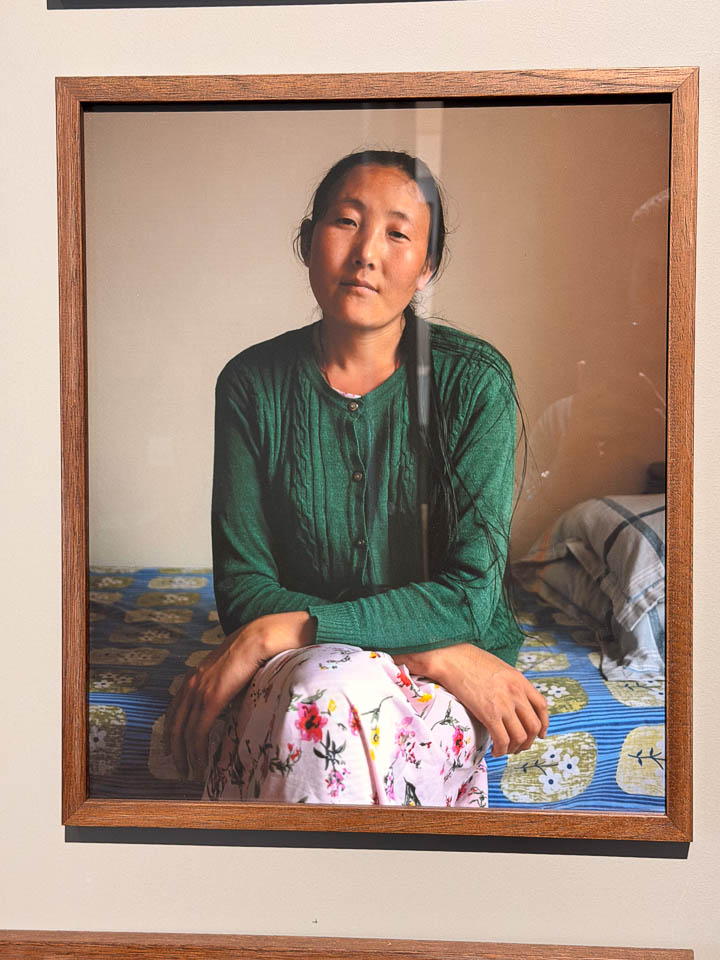
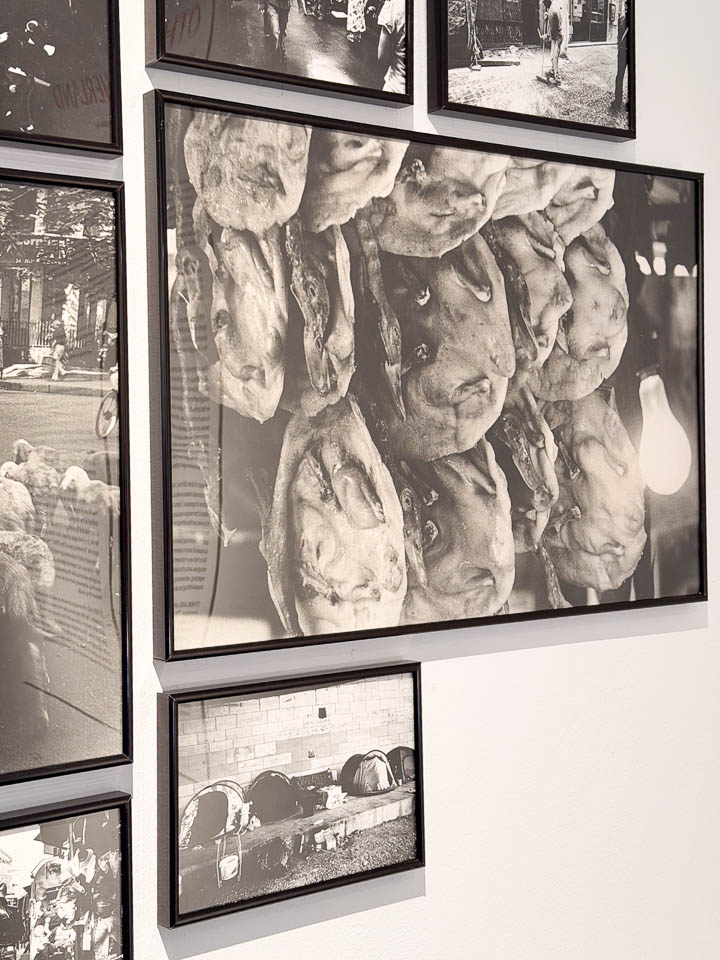
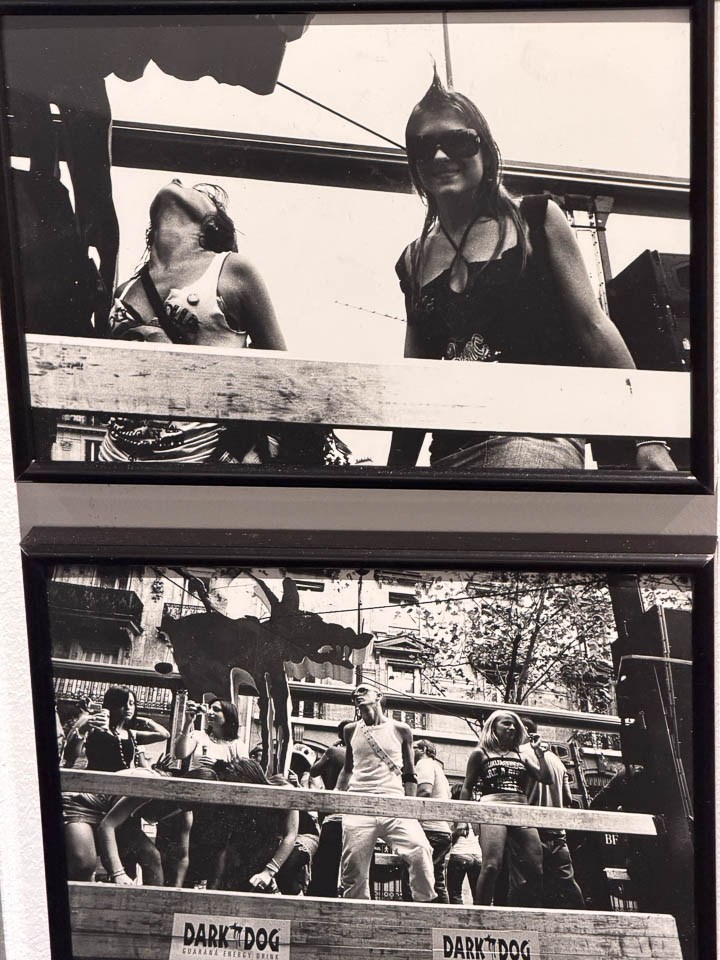
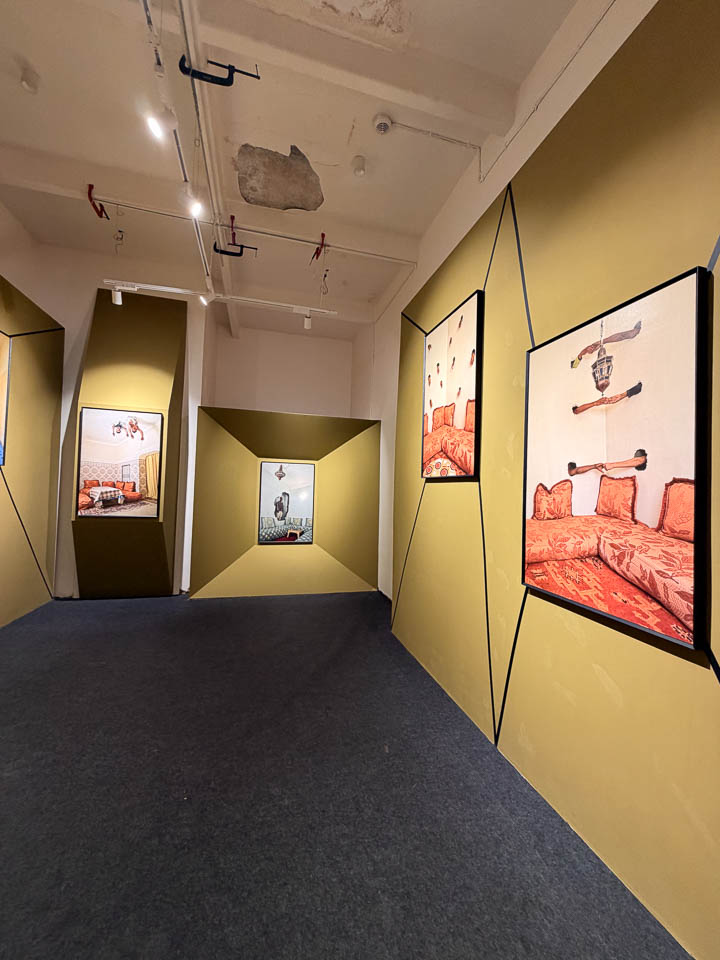
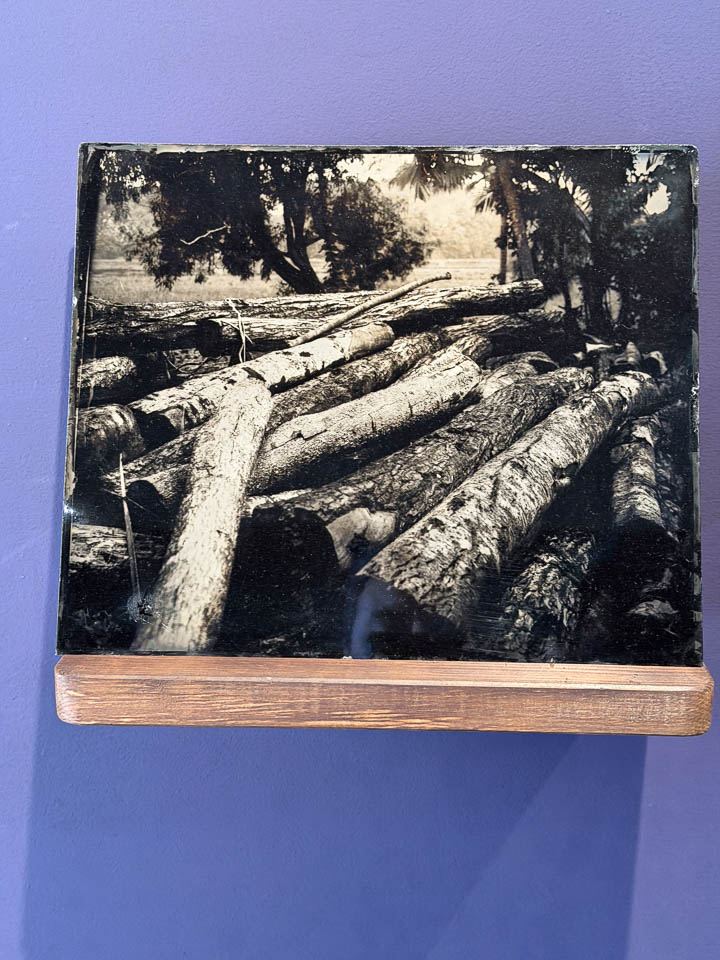
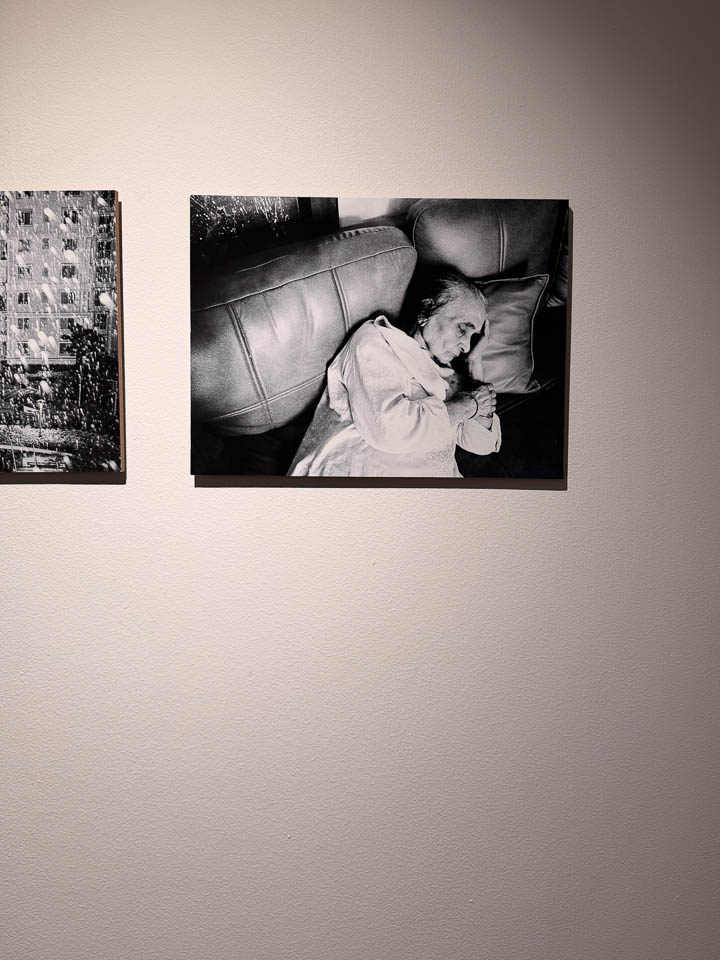
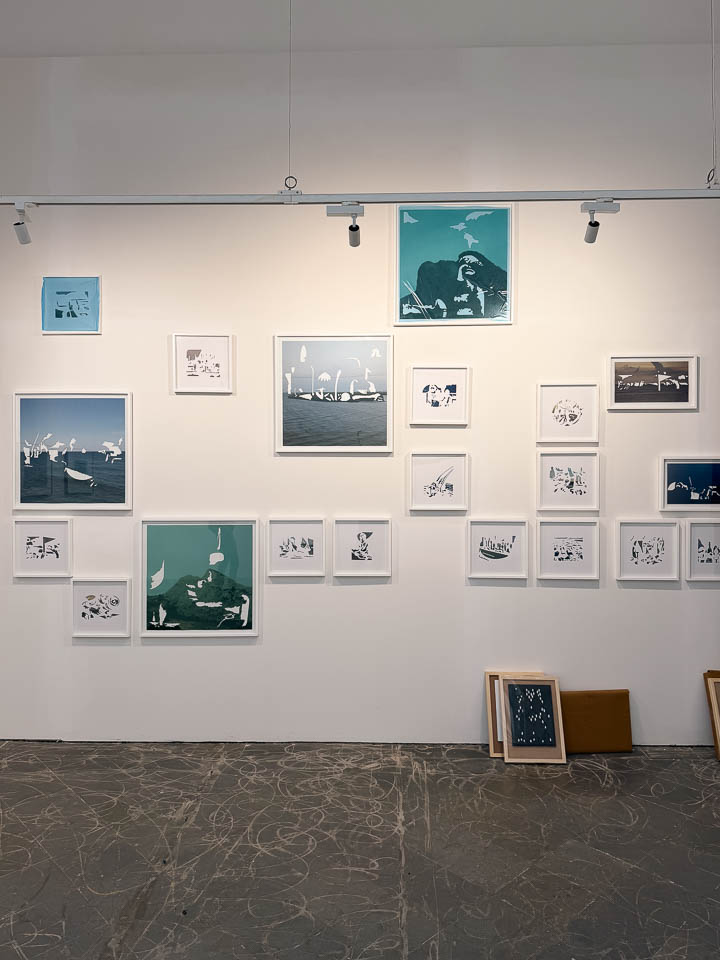
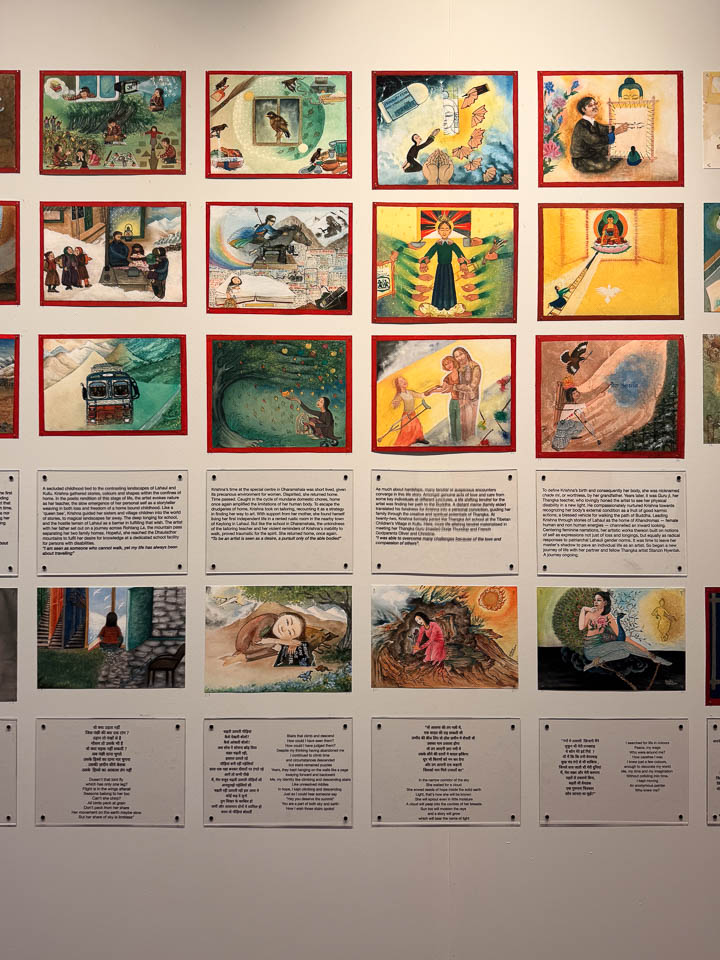
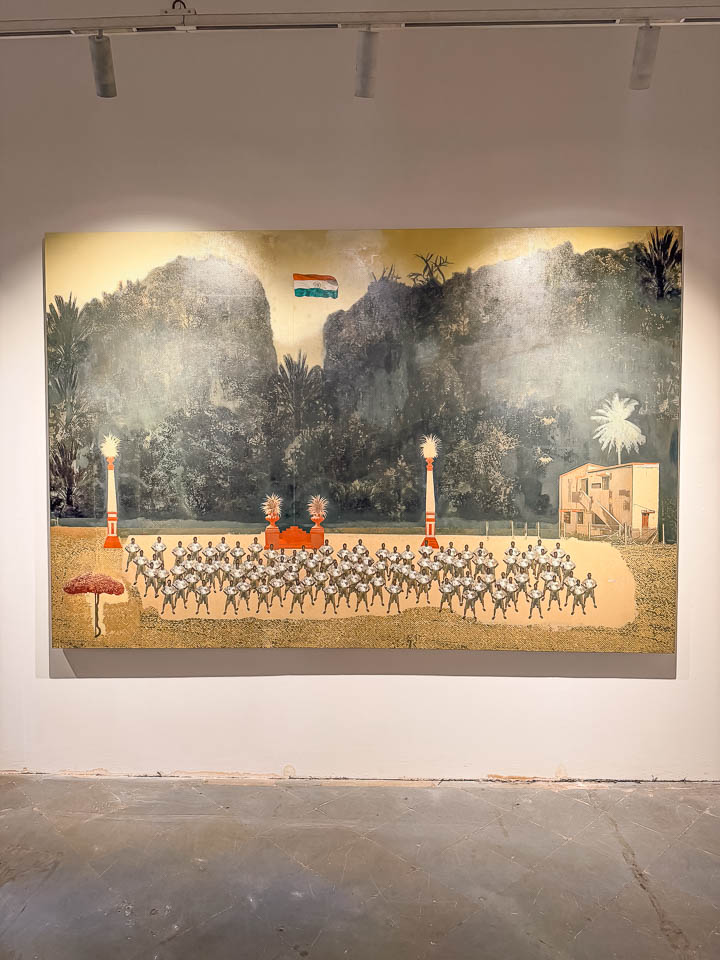
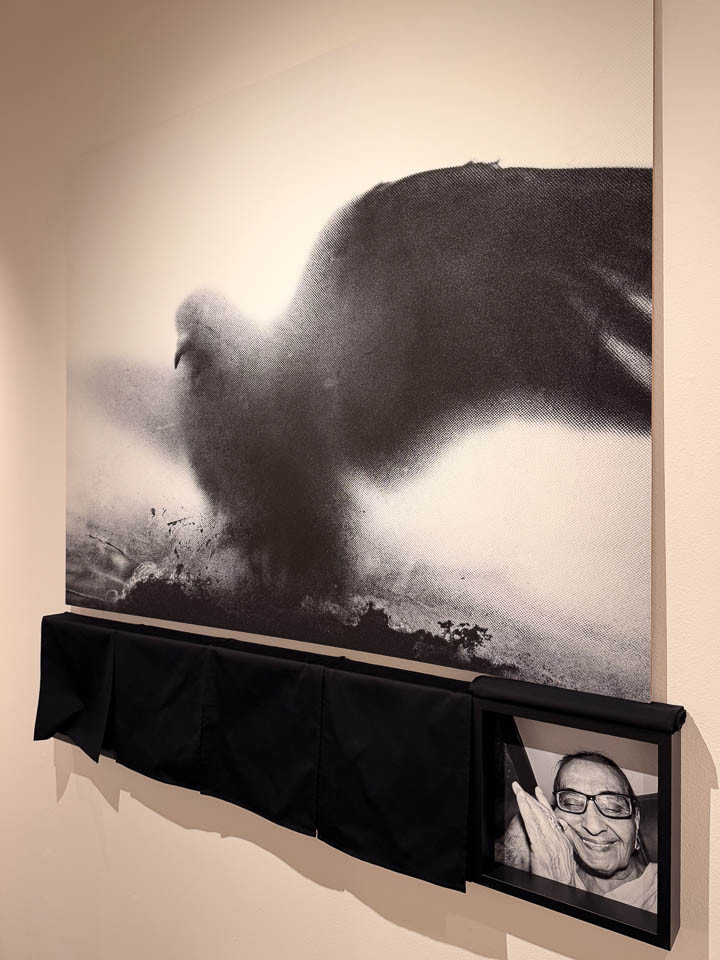
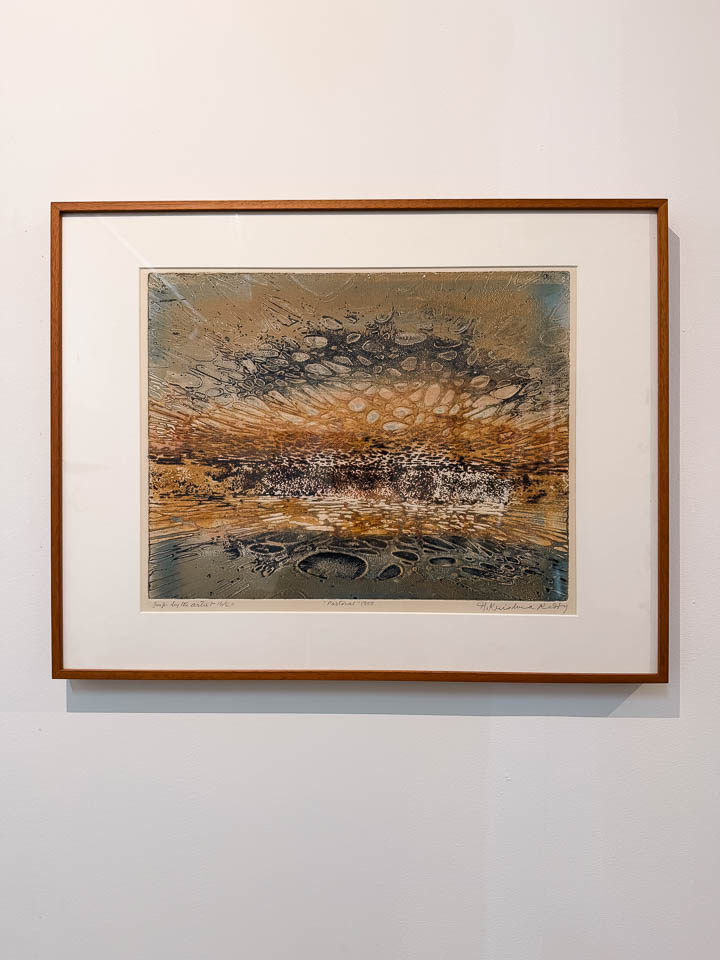
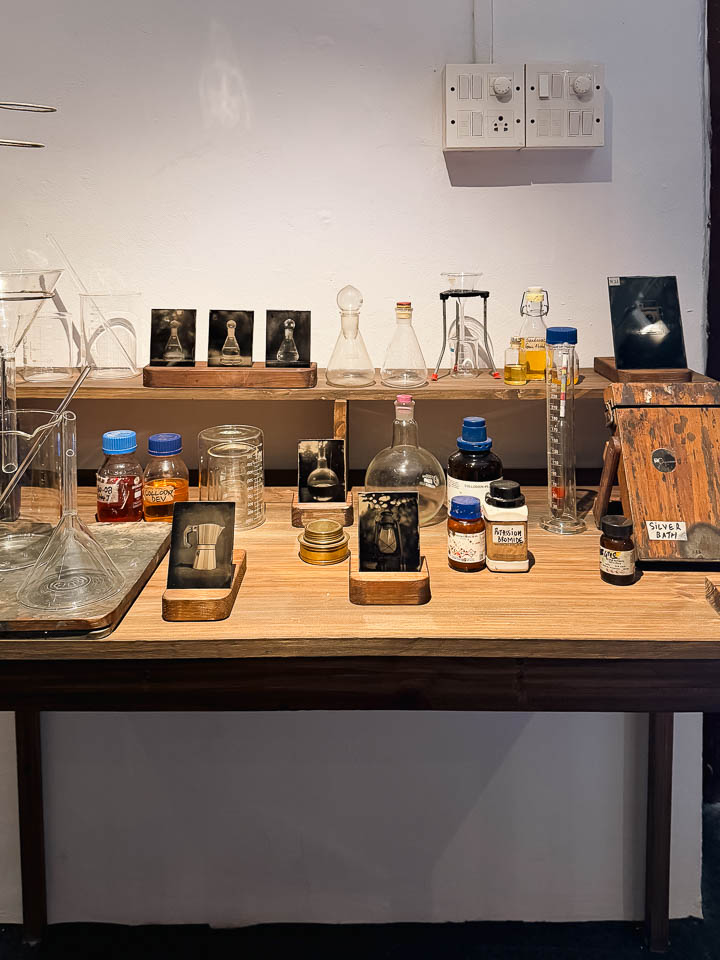
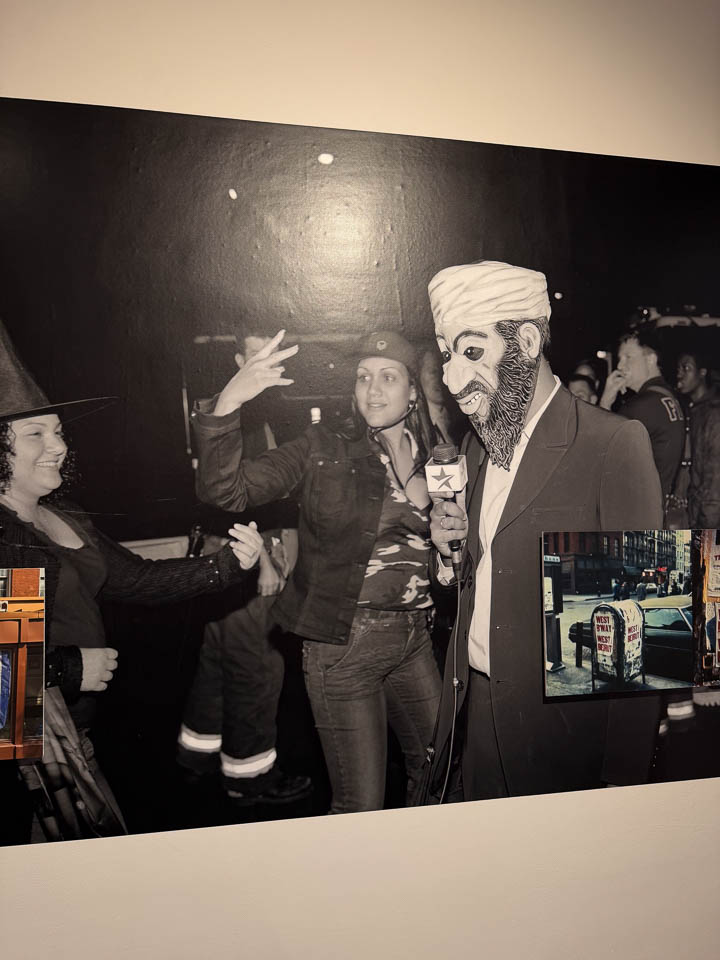
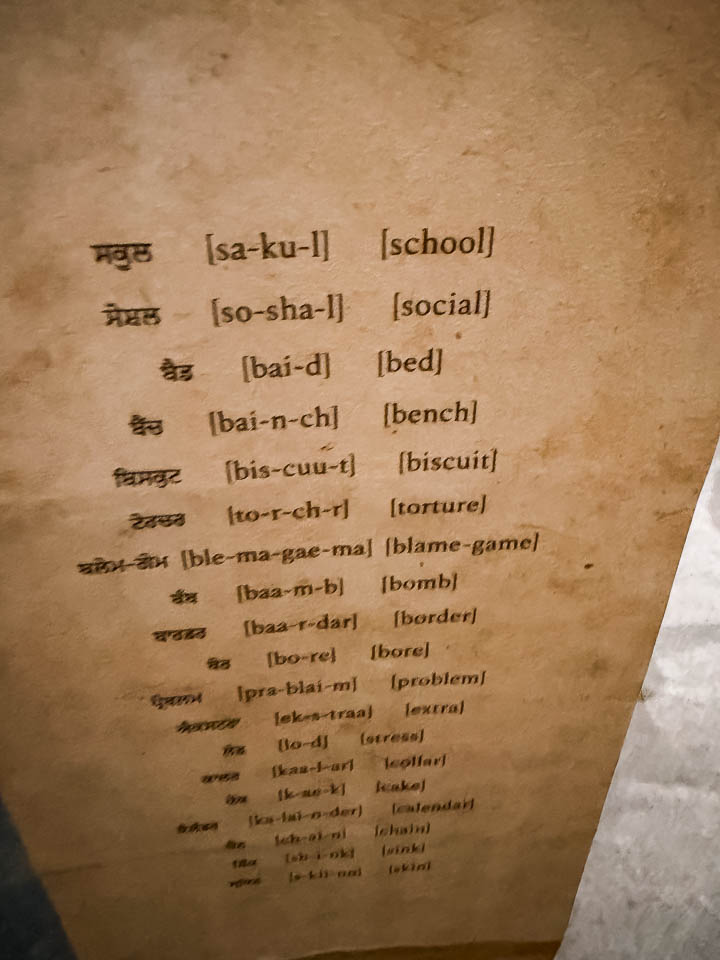
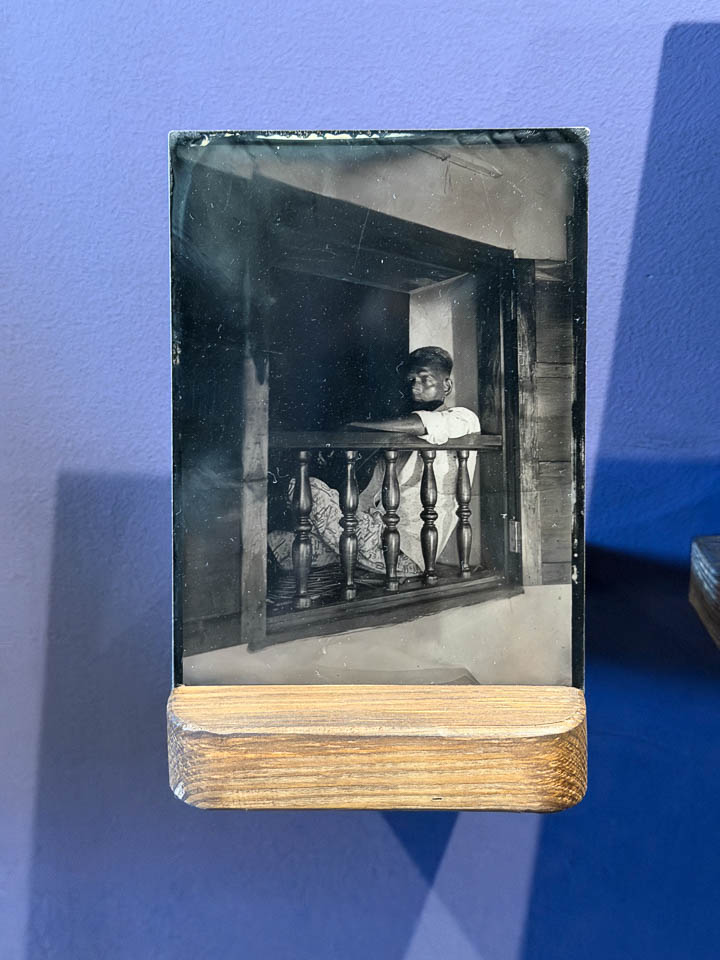
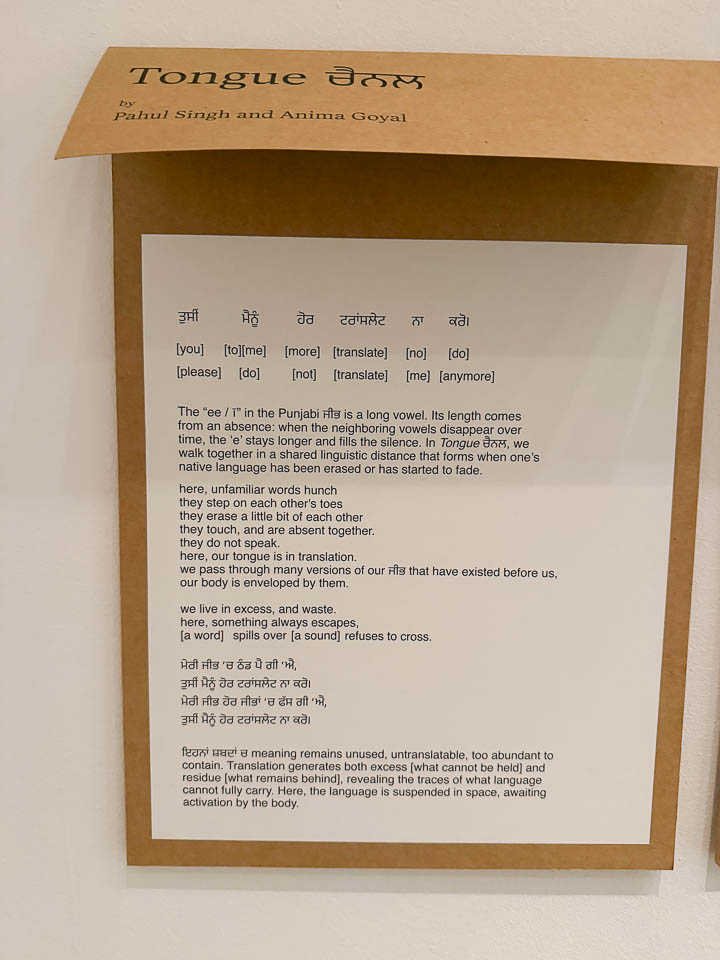
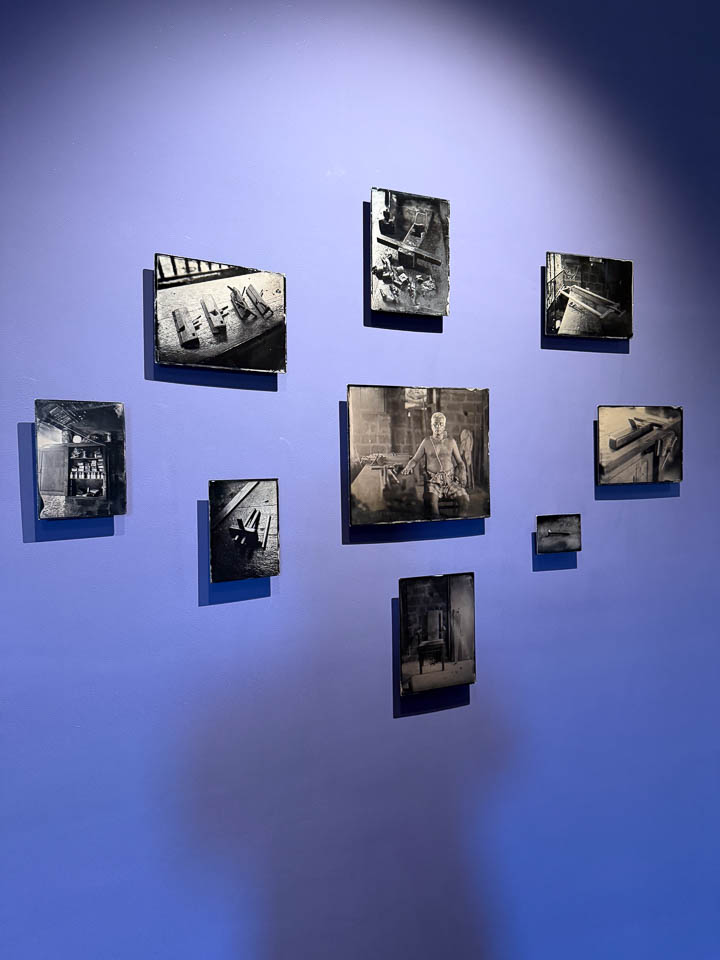
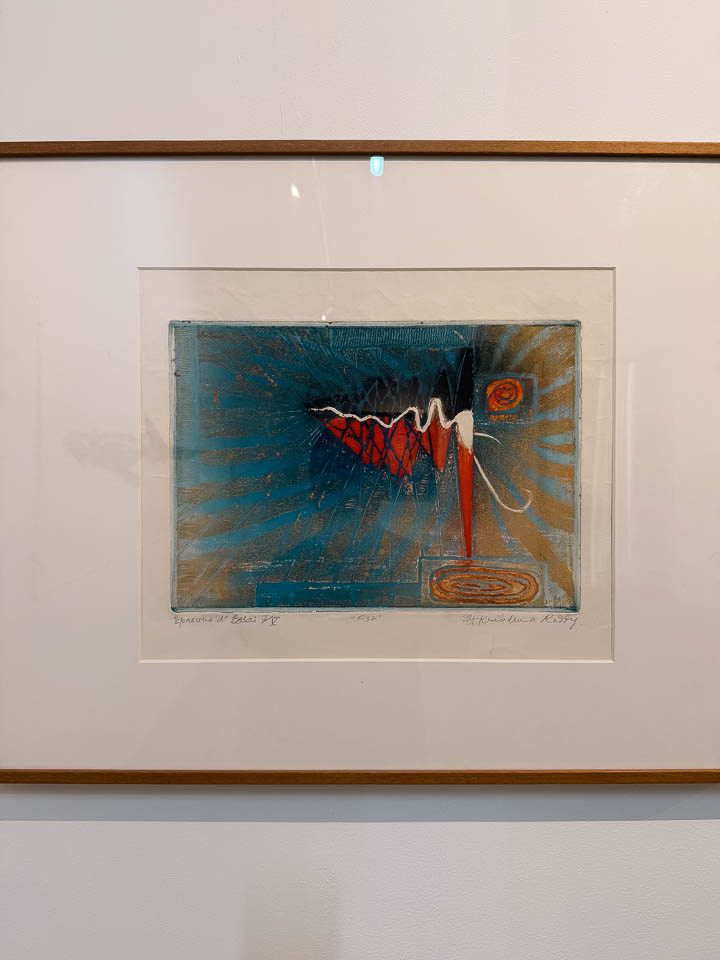
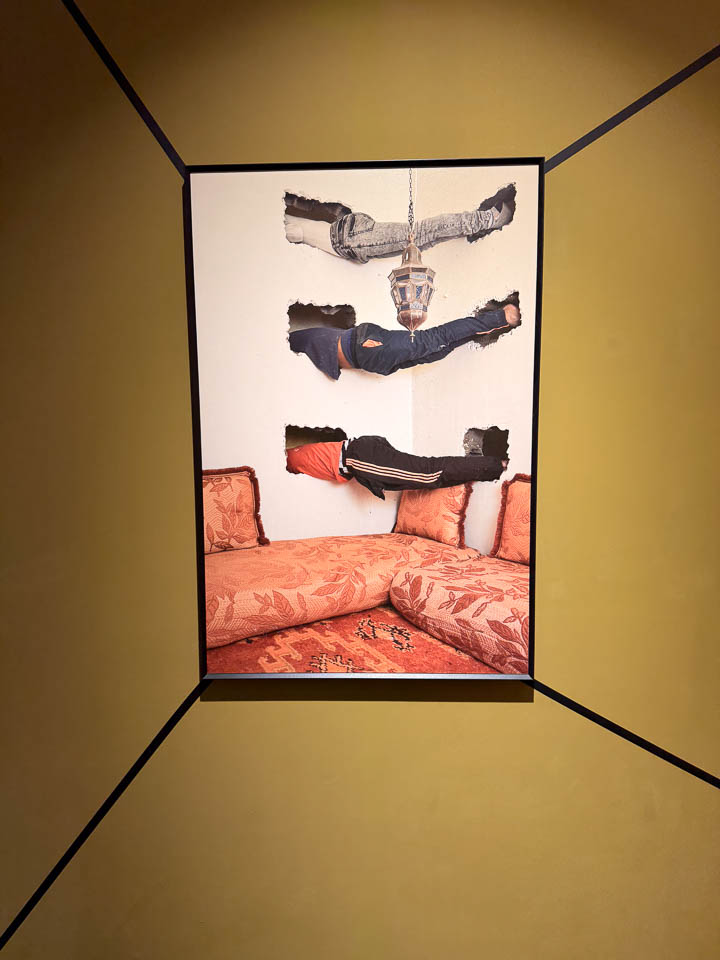
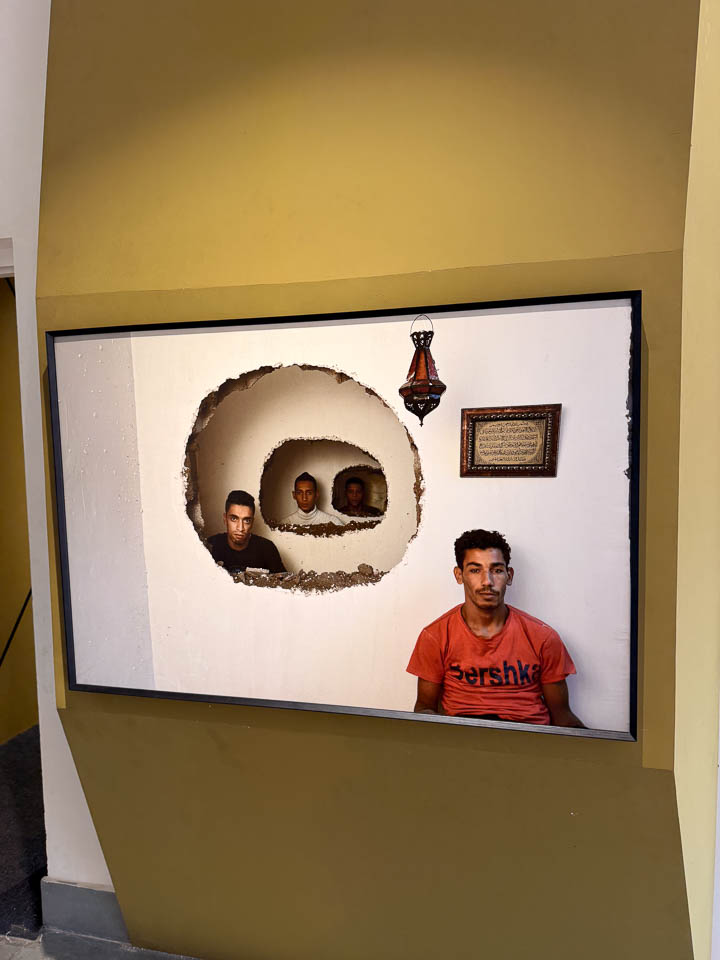
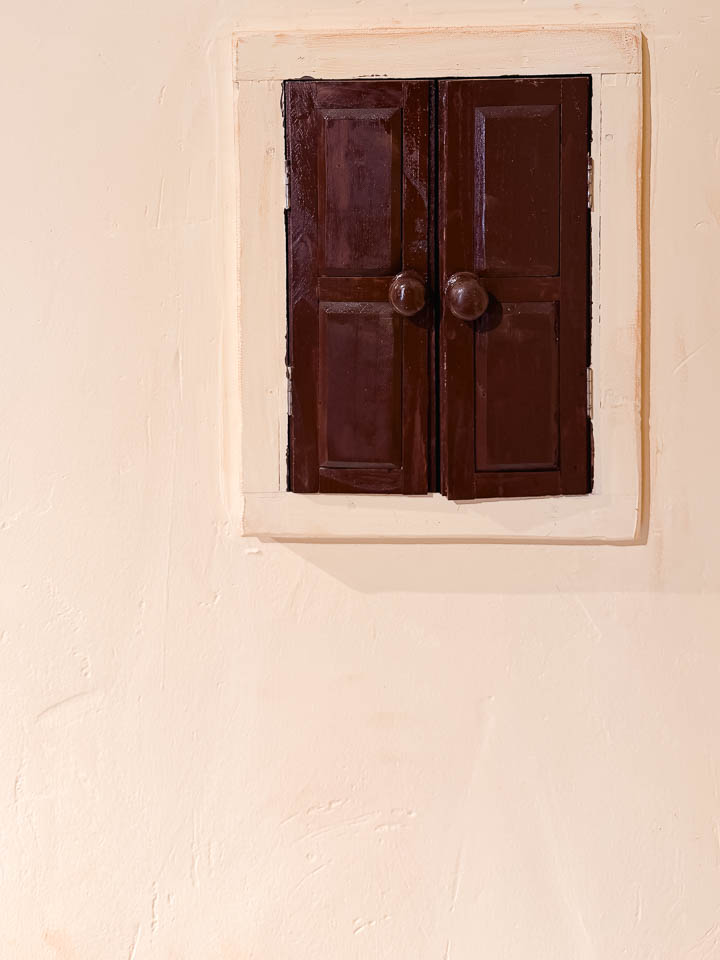
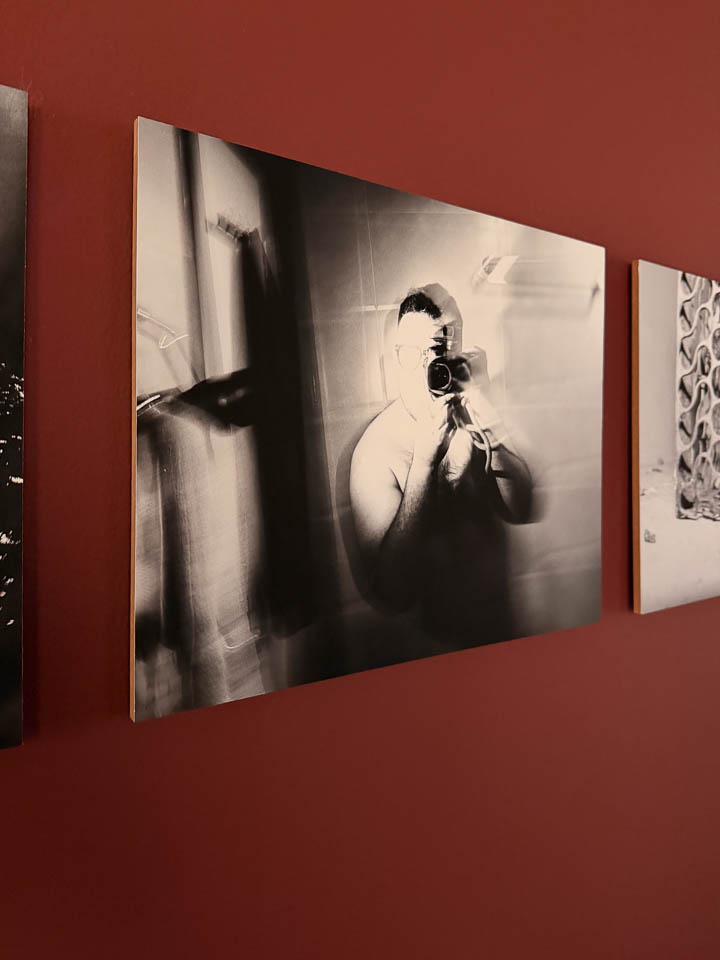
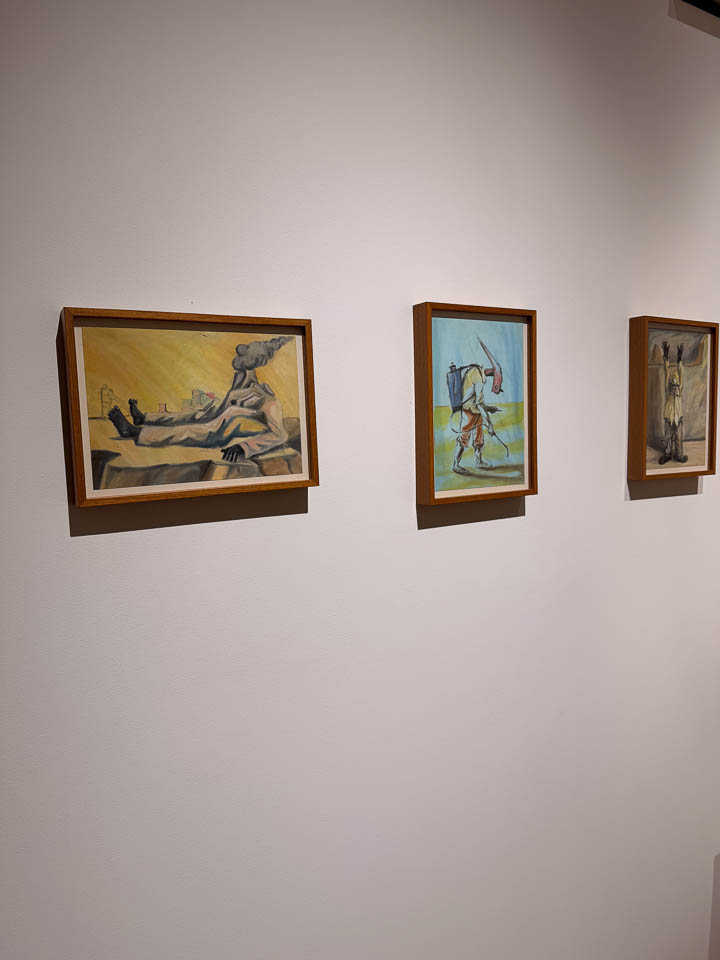
The 2025 edition delivered strong visual art and photography line ups. The Serendipity x Arles Grant brought lens-based work by emerging South Asian photographers to public exhibition, giving them a platform local audiences rarely see. Exhibitions stretched across heritage buildings and riverfront venues, from the Old GMC and Directorate of Accounts to site specific installations at the Captain of Ports Jetty. Photography was visible and substantive this year, and it mattered. Whilst I have a bias towards photography, the quality and range were clear.
The young artists from the Arles Grant showed why this festival matters. It’s one thing to invite established names, another to create space for emerging practitioners whose voices are still forming and whose careers can change from a moment of exposure. That is where long-term value lies for audiences and markets.
But there is a tension: organisers rightly build breadth into the festival with theatre, music, dance and culinary programmes. These broaden appeal and bring footfall. But for anyone tracking the future of the art world and its revenue engines, visual art and photography should anchor the experience. These are the practices most likely to birth the artists collectors track, curators programme and institutions acquire.
So here’s a practical proposal: Serendipity needs a base. Goa deserves an arts centre in Panjim that runs all year. A permanent venue can sustain dialogue across seasons, embed local traditions with contemporary practices and generate consistent attention on visual art beyond ten days in December.
This centre would have three core strands:
Visual arts exhibitions that rotate monthly, spotlighting emerging South Asian practitioners and experimental projects.
Photography shows curated around themes that matter regionally and globally.
Residencies for artists that connect Goa to wider networks and give practitioners time to work, research and exhibit.
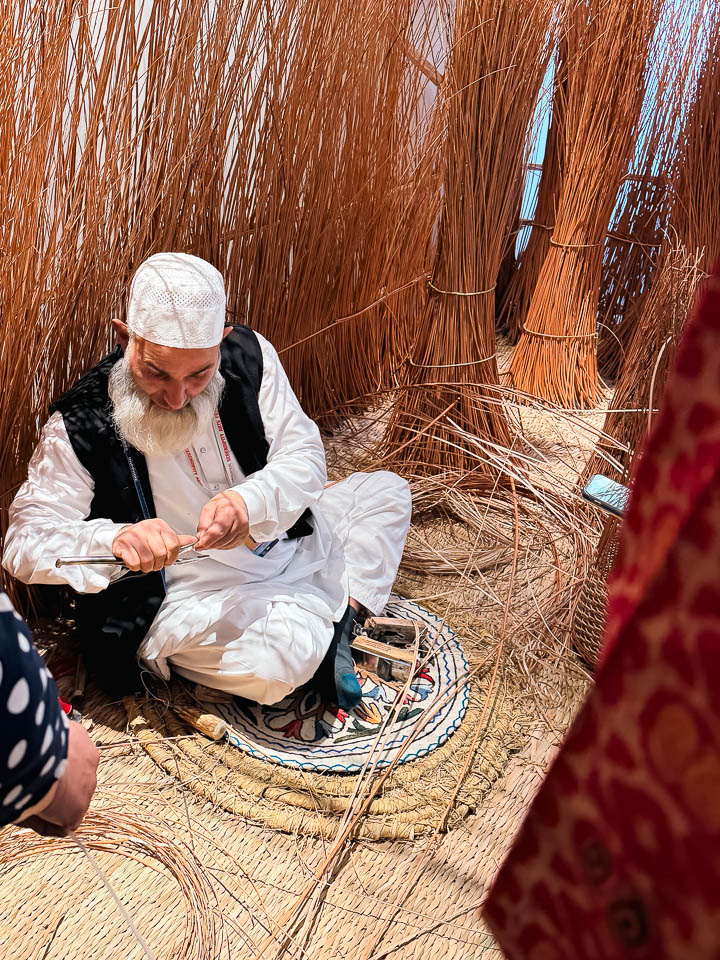
Performance, dance and music programmes should sit alongside this core to keep the venue dynamic and draw diverse audiences. Local Goan artistic traditions must be integrated, not as an afterthought but as a living part of the programme. That means commissioning work rooted in local histories and contexts. It also means teaching and apprenticeship formats for crafts that risk fading without institutional support.
This is not about expanding the festival arbitrarily. It’s about anchoring culture in place and time. A year-long centre builds bridges between locals and the broader art world. It can make Goa a permanent node, not an ephemeral story every December.
Serendipity’s annual burst is valuable. But if art is going to grow in India at scales that matter for careers and markets, it needs sustained infrastructure. Panjim has the space, the civic context and now, the cultural momentum. The next step is to build on the year’s success and match vision with institution.
A permanent Serendipity centre in Goa that is visual arts centric will change the art calendar in this country. It will give artists a place to make, audiences a place to engage and collectors a reason to come back not once but year after year.
This is where the next generation of art futures will be shaped.
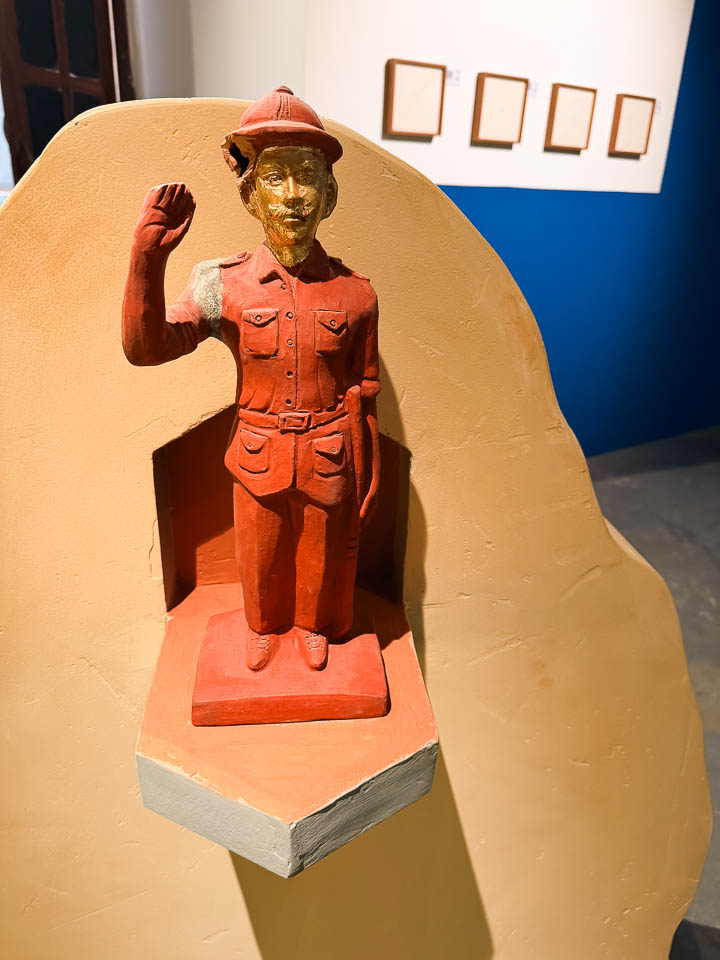
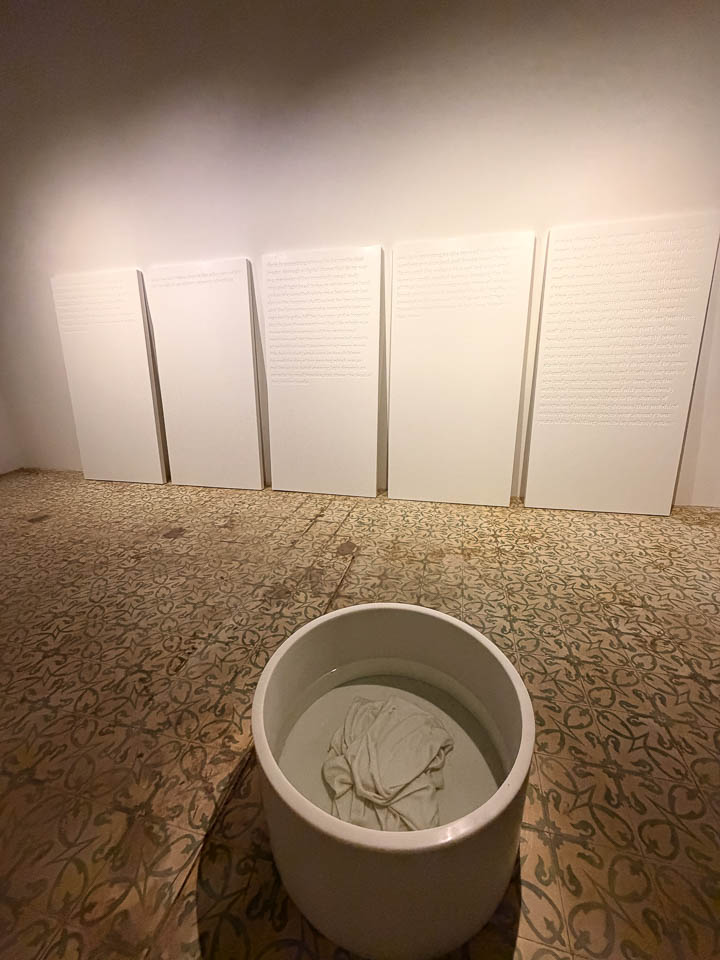
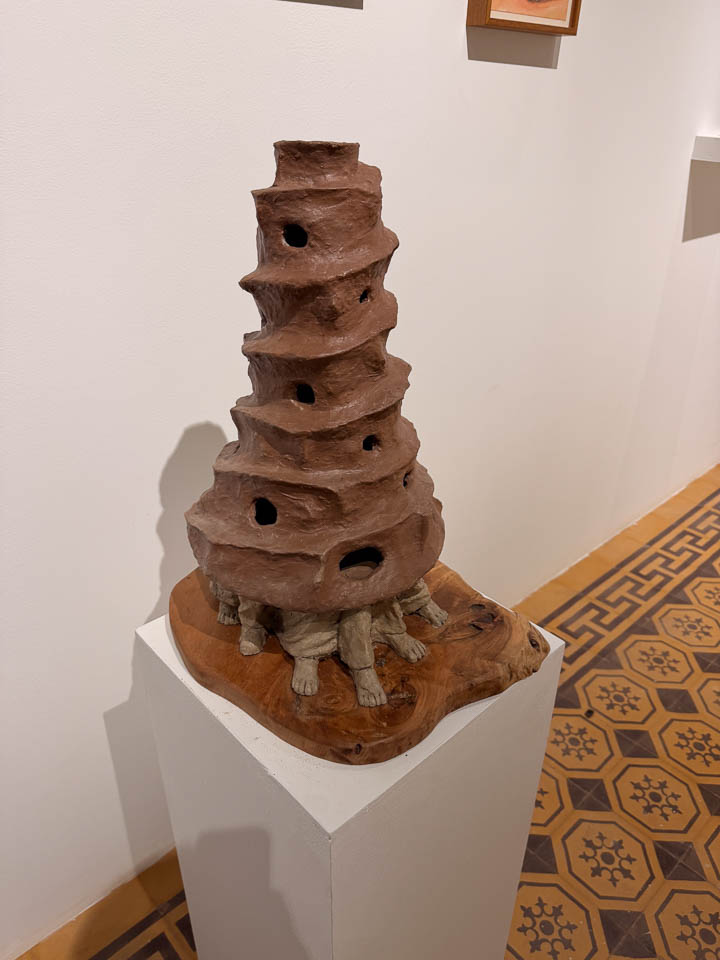
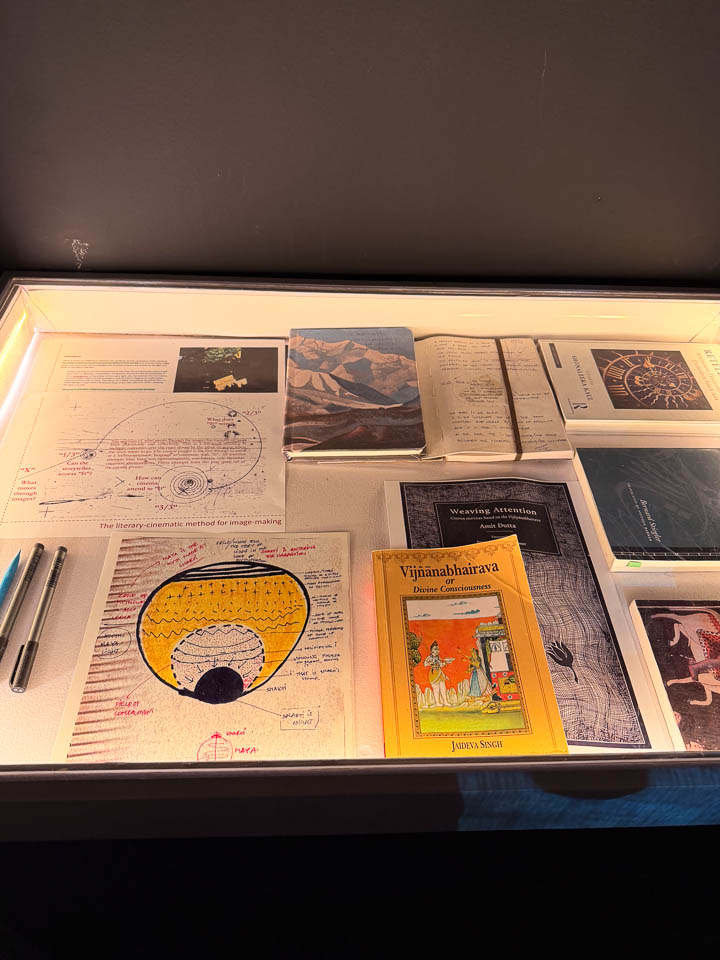
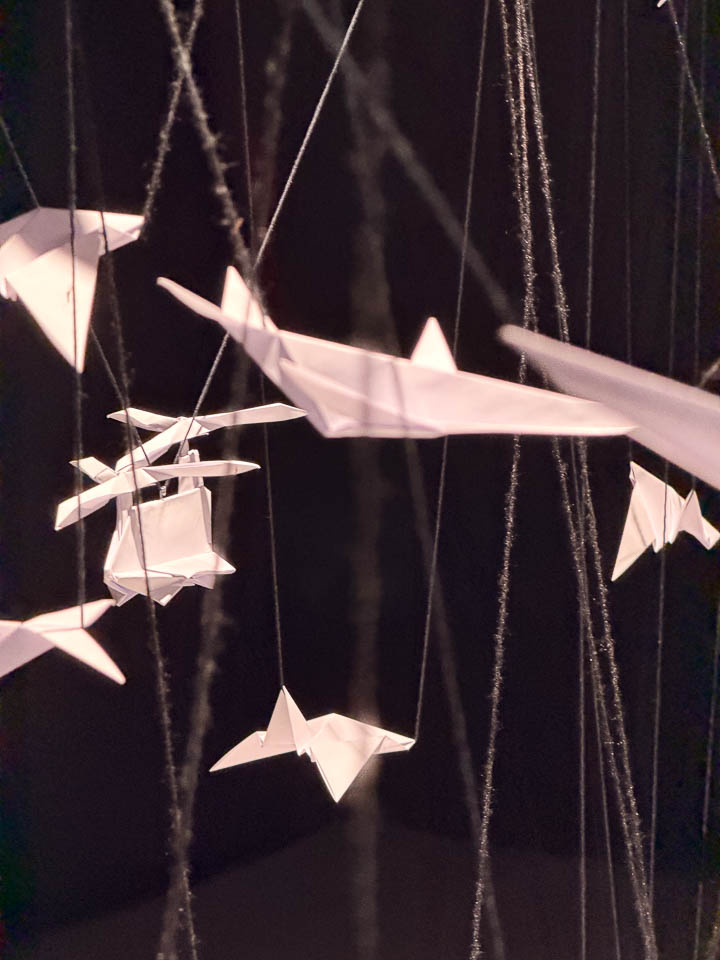
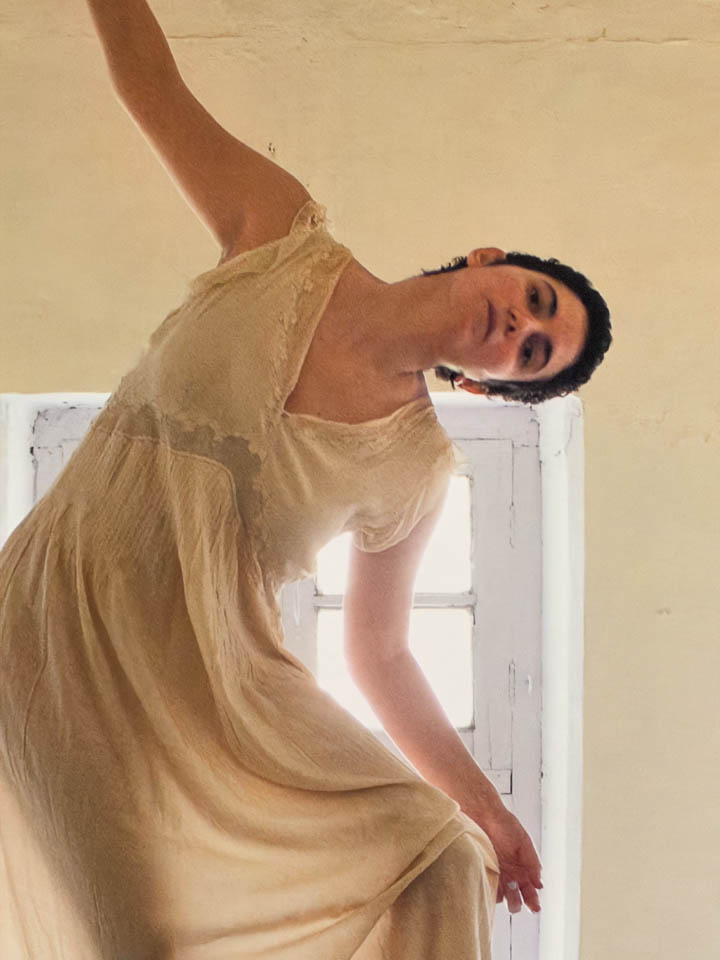
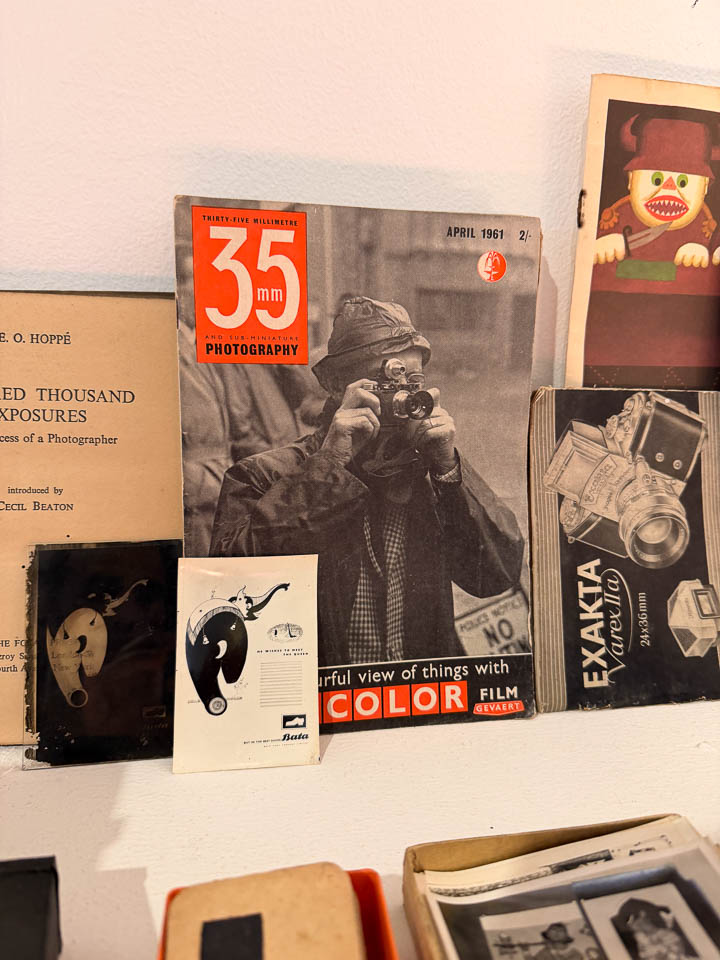
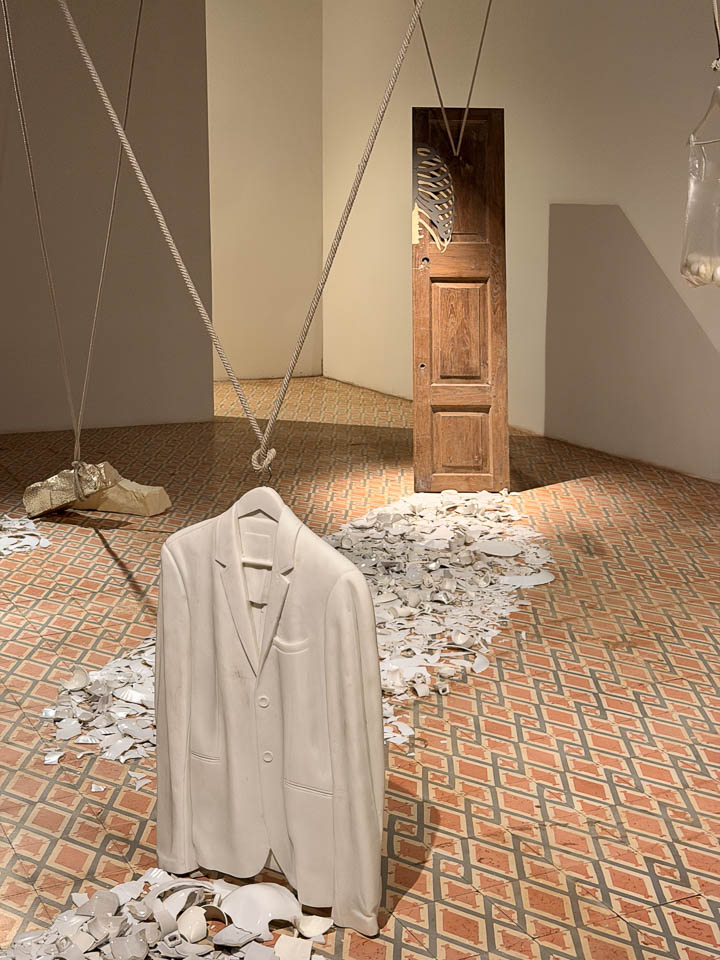
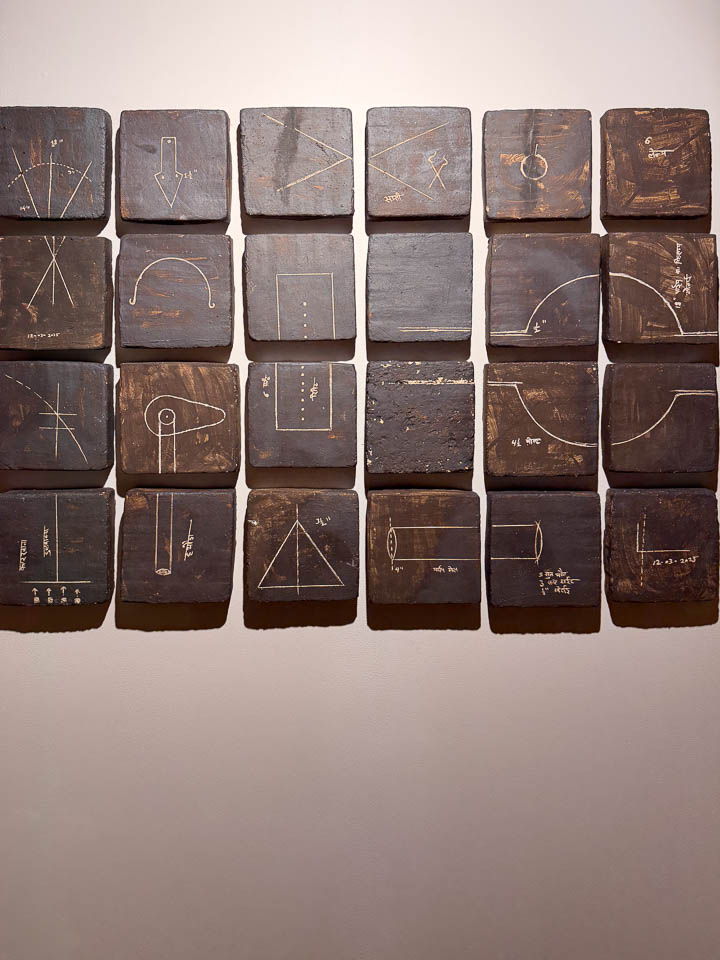
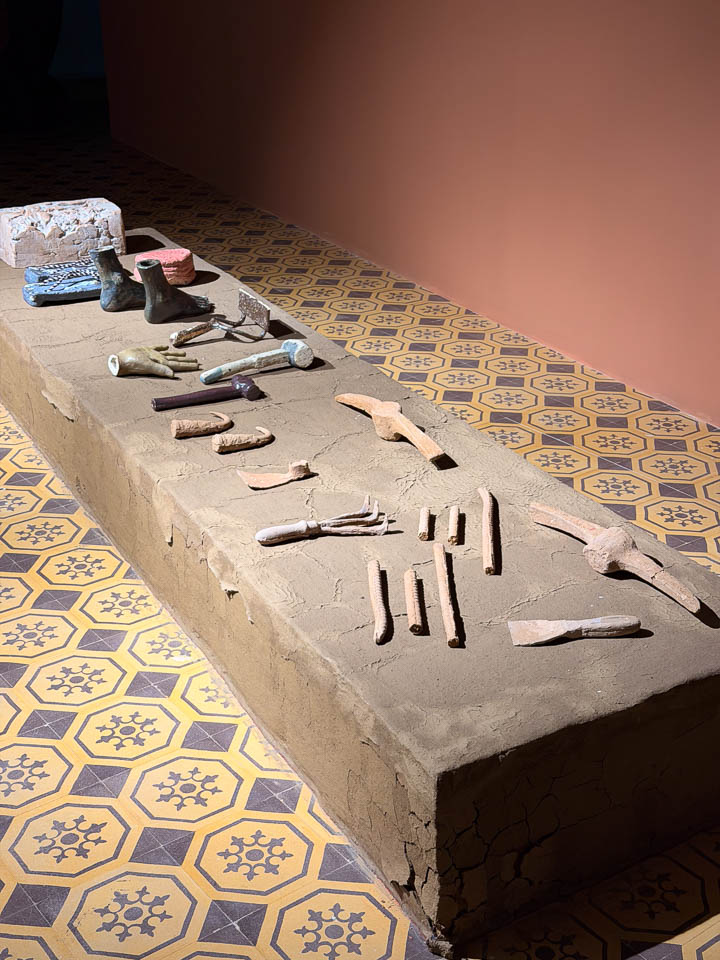
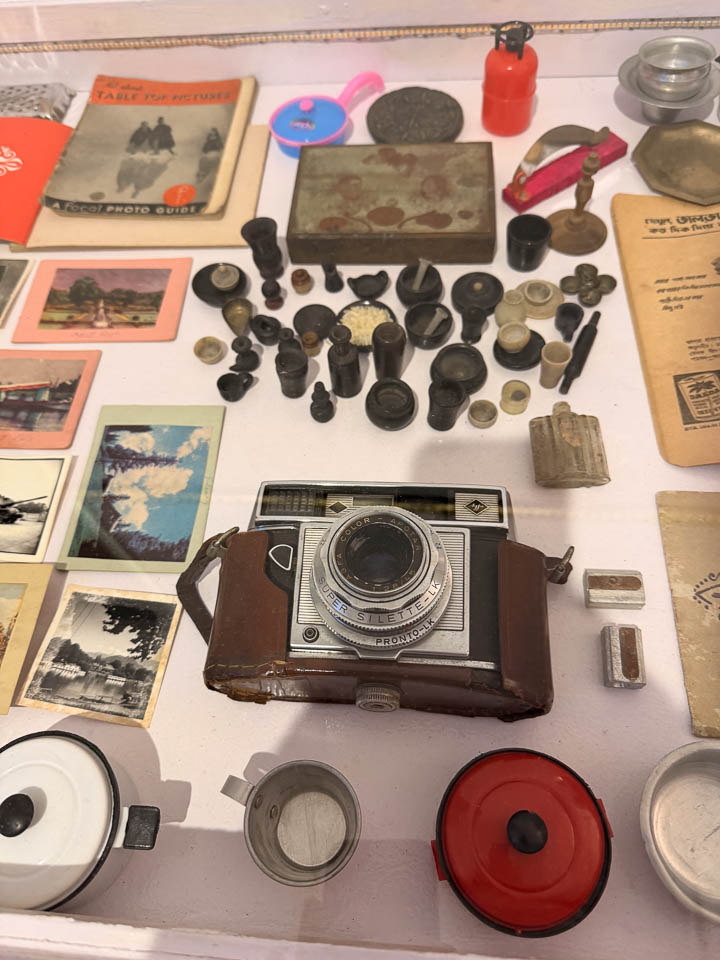
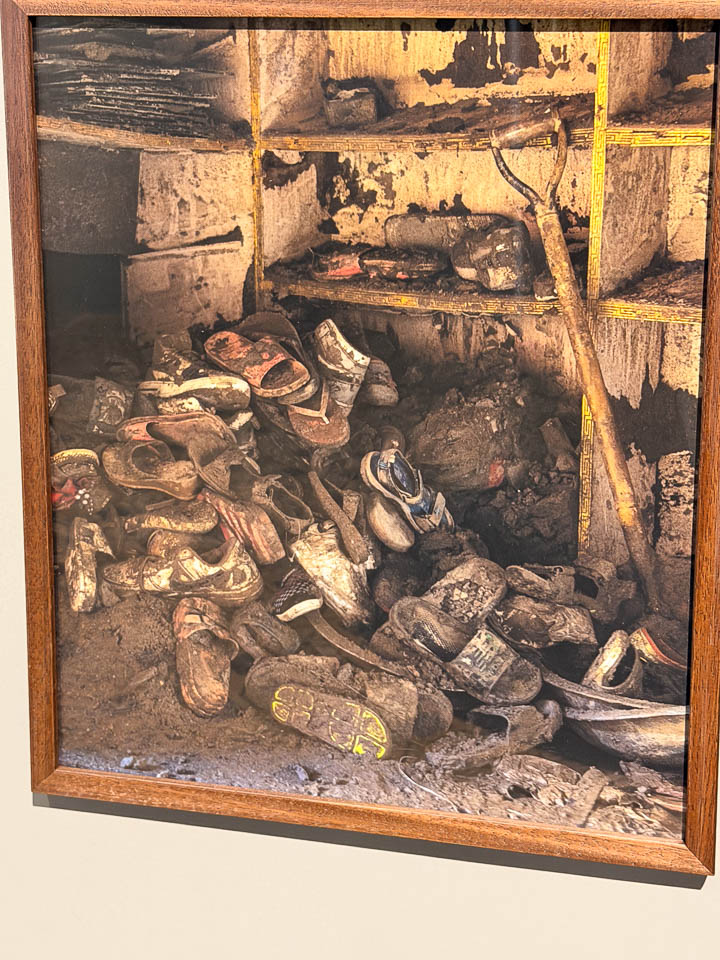
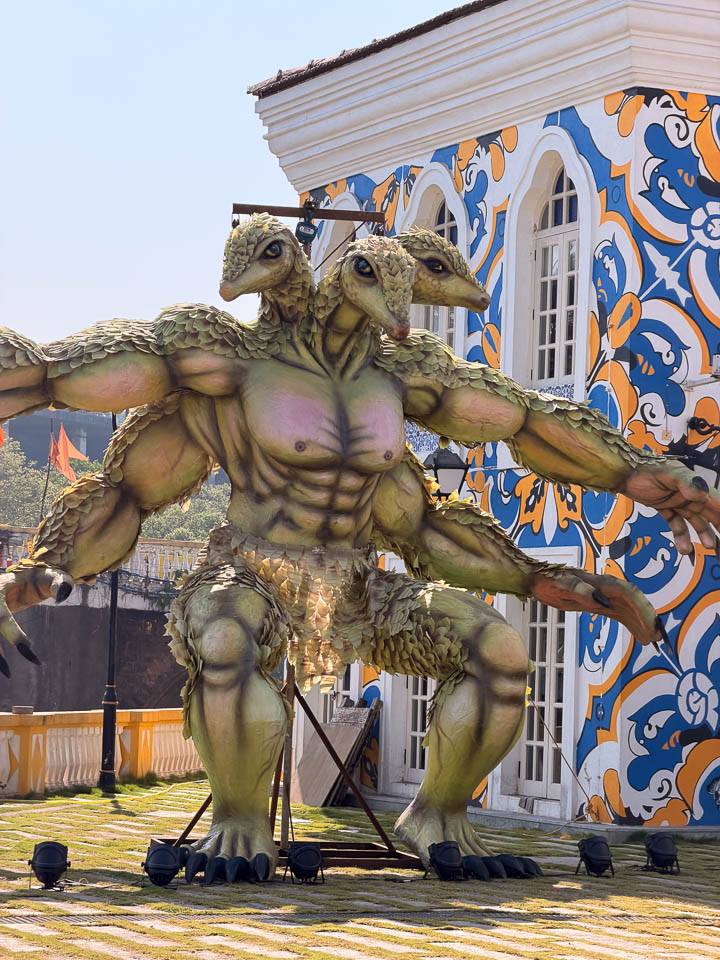
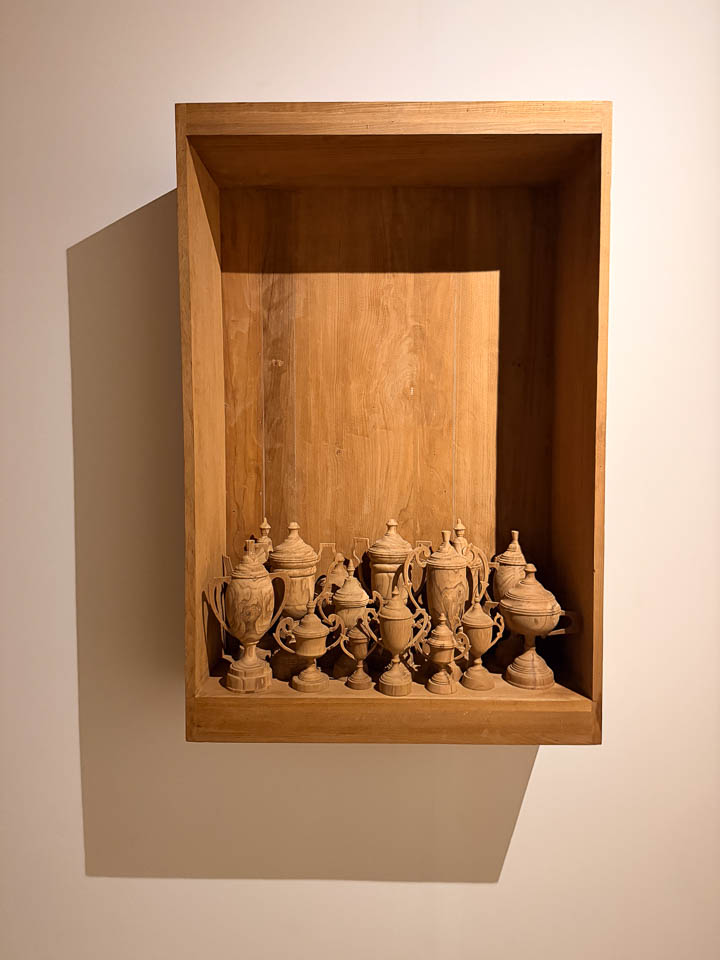
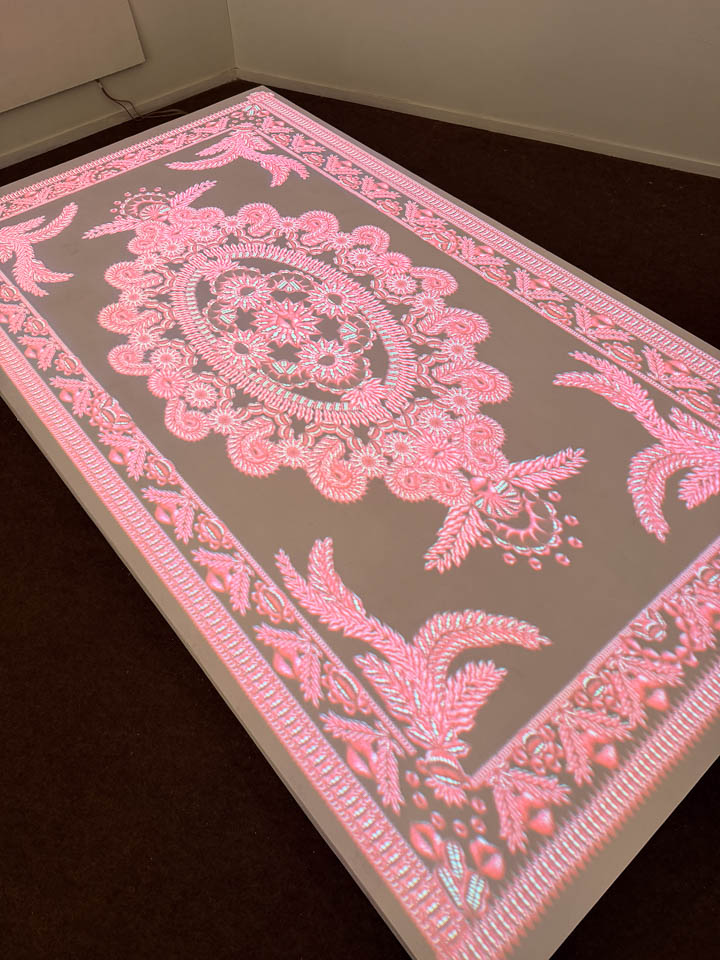
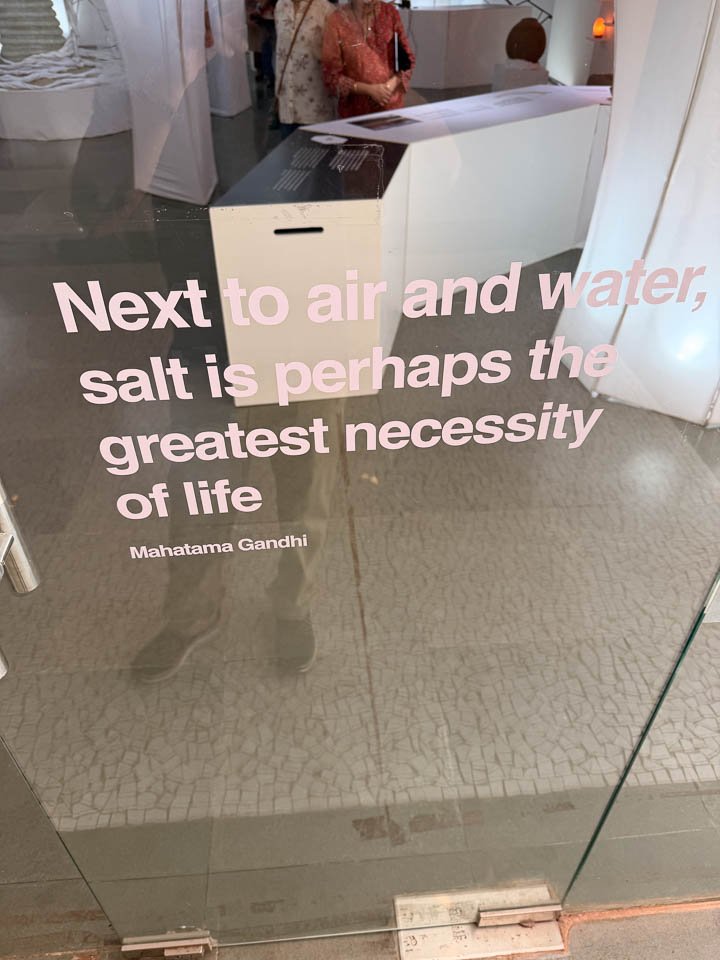
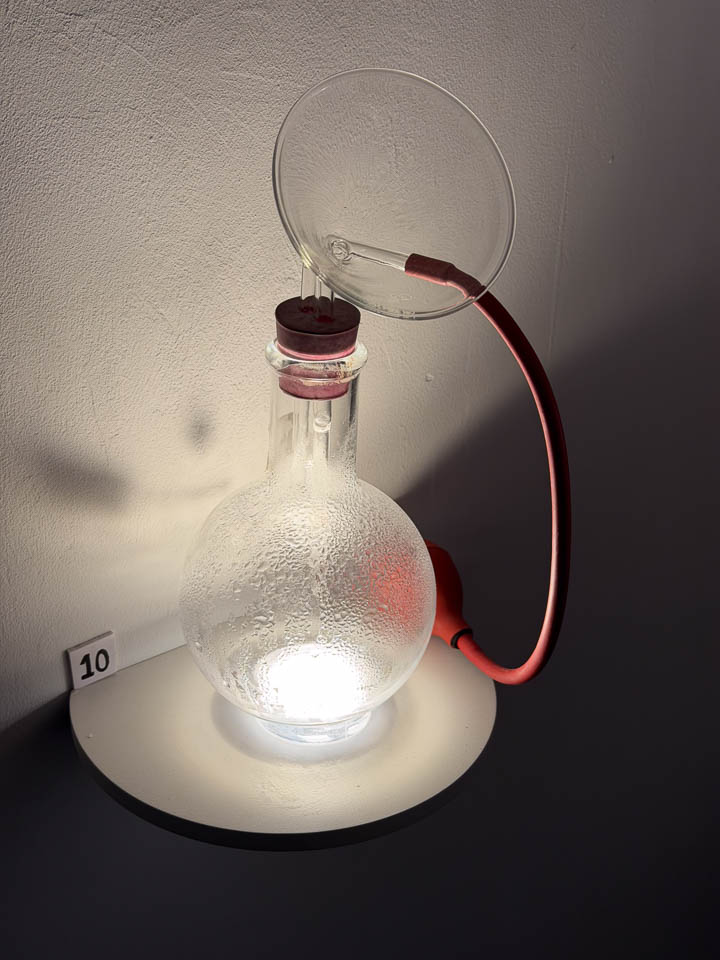
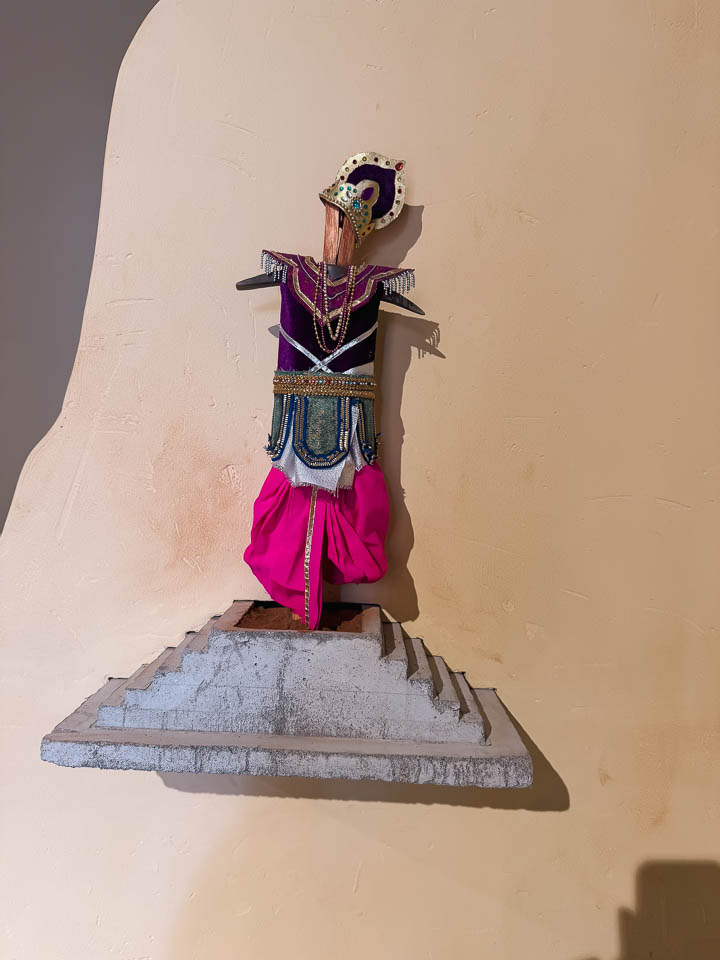
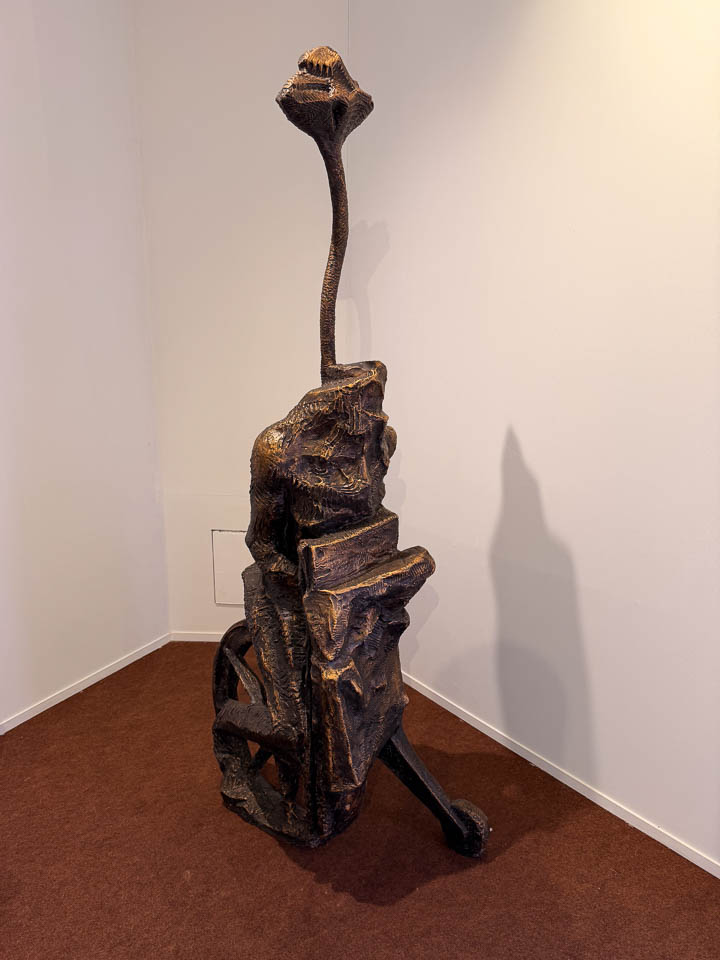
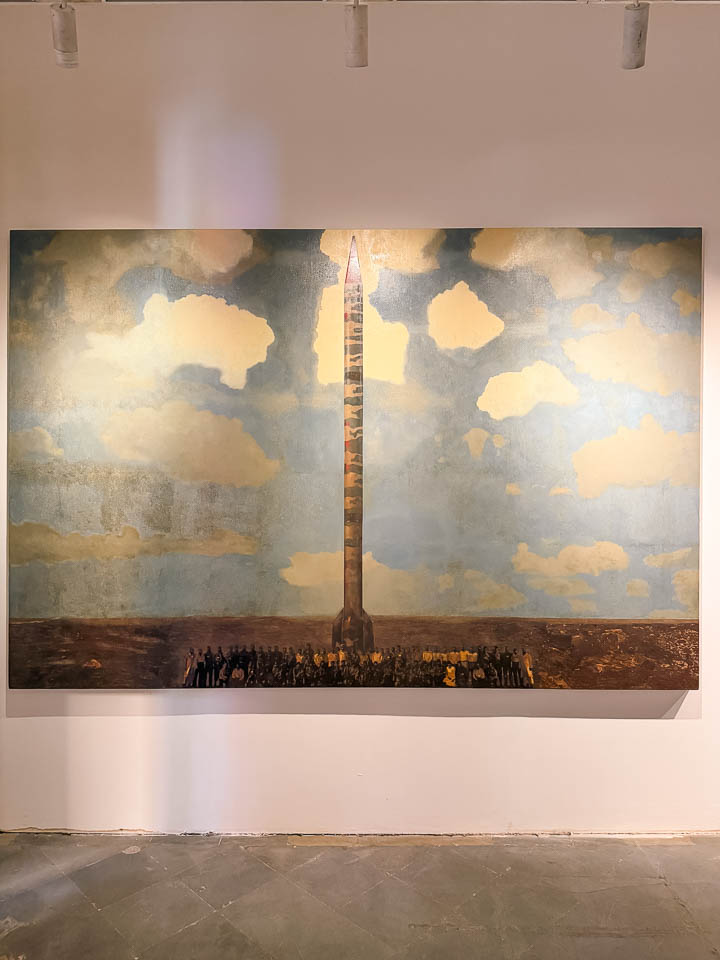
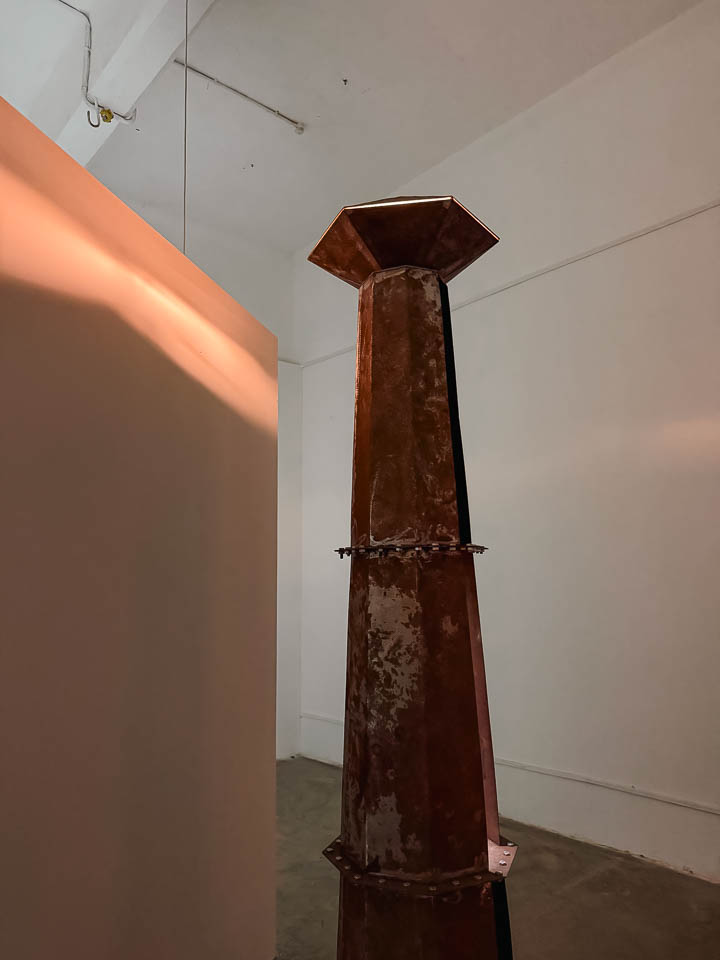
Visual Art installations