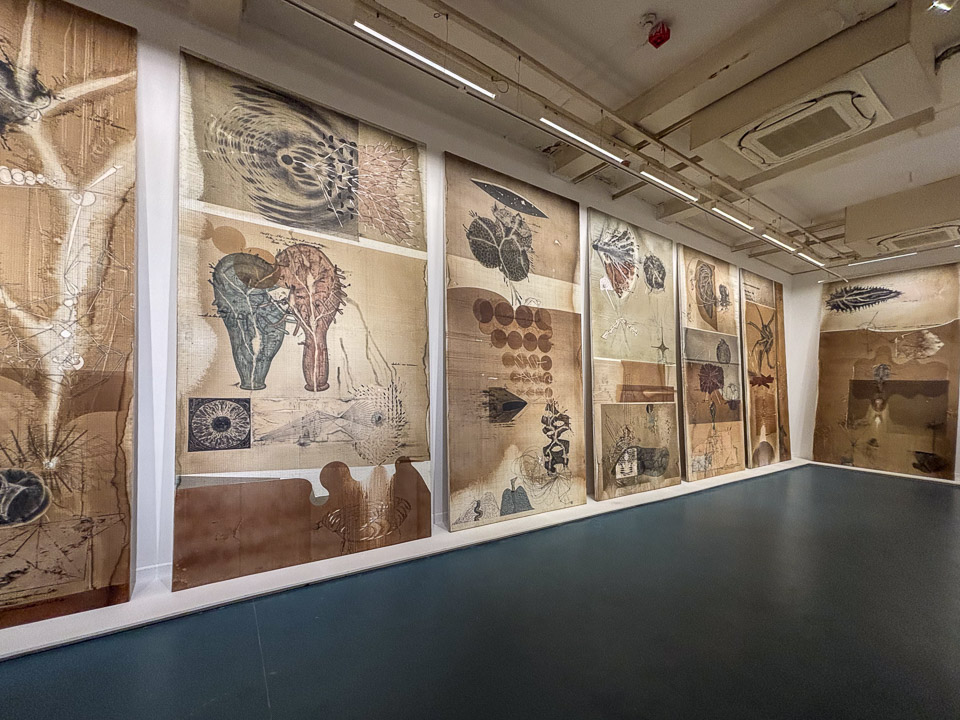
Ai Weiwei carries global weight. You walk into his show already aware of the mythology. The dissent. The activism. The celebrity. It is almost impossible to look at the work without that aura pressing in on you.
I tried to look past it.
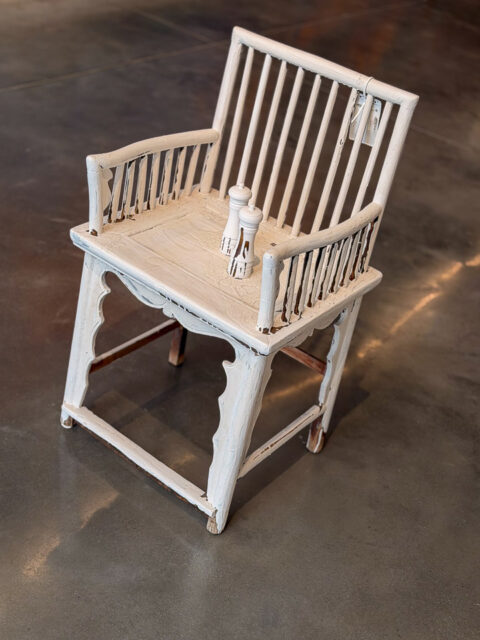
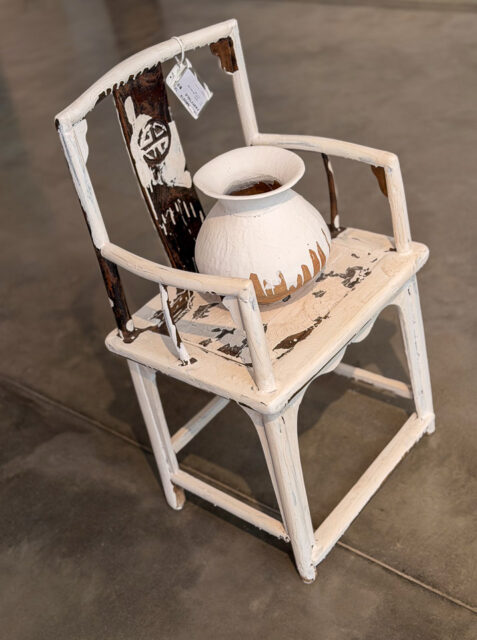
The chairs (white washed remnants of history) stayed with me. Old wooden forms reconfigured, repositioned, recontextualised. There was restraint there. A quiet intelligence. Furniture carries memory. It carries bodies. It carries absence. Ai understands that. When he intervenes, he is altering history in physical form. That tension between preservation and disruption felt sharp.
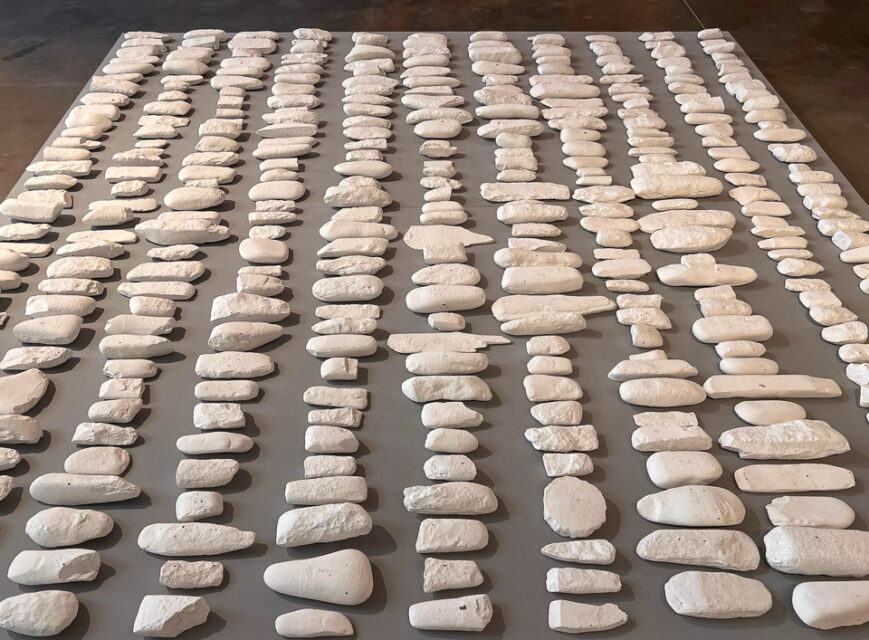
I also found myself drawn to the small stone axes placed directly on the floor. That gesture matters. To place something at the viewer’s feet shifts power. You have to look down. You have to adjust your body. It slows you. It creates intimacy without spectacle. There was humility in that scale. A certain discipline.
I could have taken apart other works. It would be easy. With artists of his stature, the discourse often becomes louder than the object. I chose to focus on what resonated. The quieter gestures. The works that trusted material and placement rather than statement.
Atul Dodiya is different for me. There is history there. I have followed him for years. Admired him. Defended him in conversations. He belongs to a generation that shaped the language of contemporary Indian painting in a serious way.
The last few years, I have felt a distance. The works were competent. Intelligent. Crafted. Yet something felt safe. The bite had softened. The urgency that once defined him seemed diluted.
In the current show, Gatecrasher, one work cut through. An untitled painting of a lone woman sitting in front of another painting. Quiet. Reflective. Slightly melancholic. It carried ambiguity. Who is she. What is she looking at. Is she part of the artwork or a viewer inside the painting.
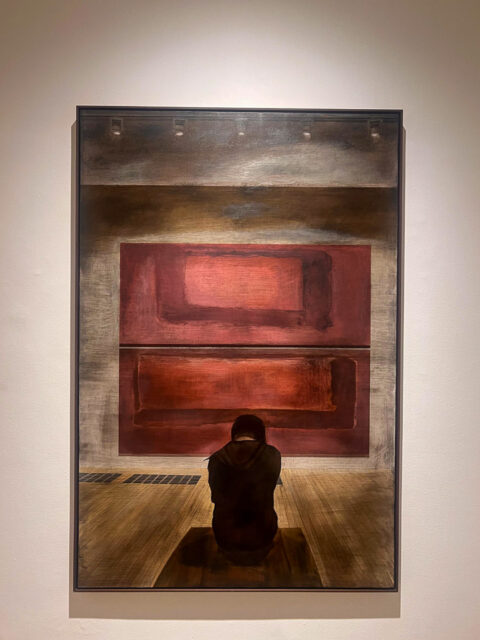
That piece gave me a glimpse of the Dodiya I admired in the past. The artist who could hold irony and tenderness in the same frame. The artist who understood solitude in the act of viewing. It felt honest. Less performative. More interior.
Sometimes one work can redeem an entire exhibition. It reminds you of the core strength. It tells you the instinct is still there.
Then there is Jitish Kallat.
Scale is not decoration. Scale is risk. In India, it is a logistical battle. Budgets. Fabrication. Space. Institutional support. To work large here demands conviction and stamina. Many avoid it. Or attempt it without depth.
Jitish embraces it.
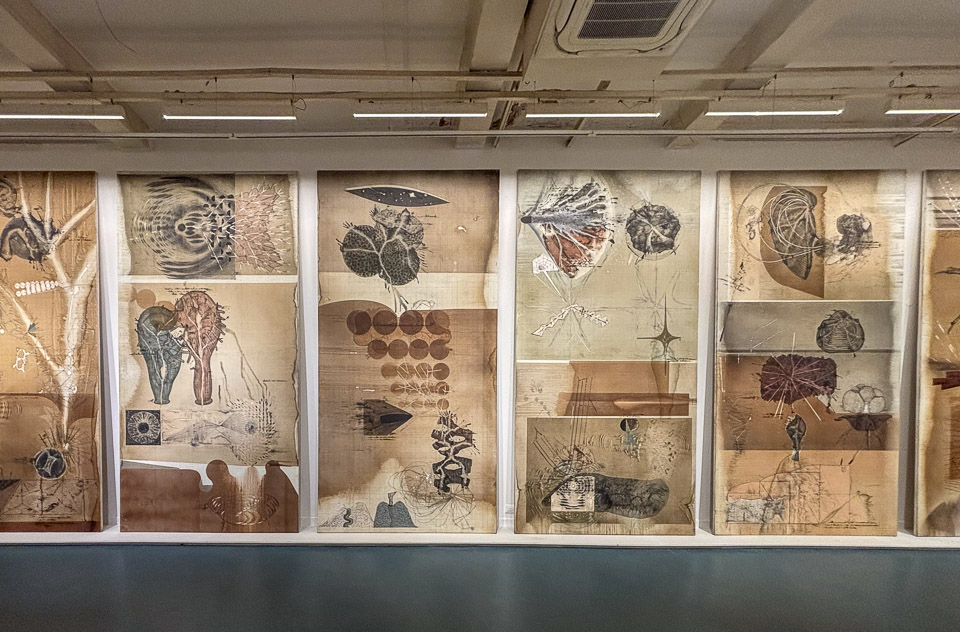
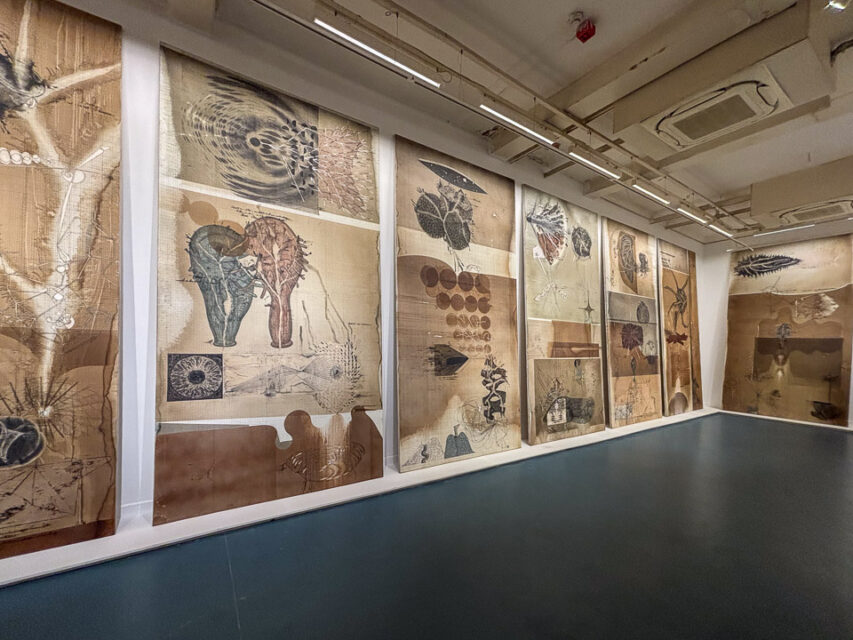
Conjectures of a Paper Sky is overwhelming in the best way. It engulfs you. Yet it is precise. The drawing. The thought. The composition. It never collapses under its own ambition. That balance is rare.
He moves from the monumental to the intimate without losing intensity. The accordion drawing book felt like a private whisper after a public declaration. You lean in. You slow down. The hand becomes visible again. The breath of the artist is present.
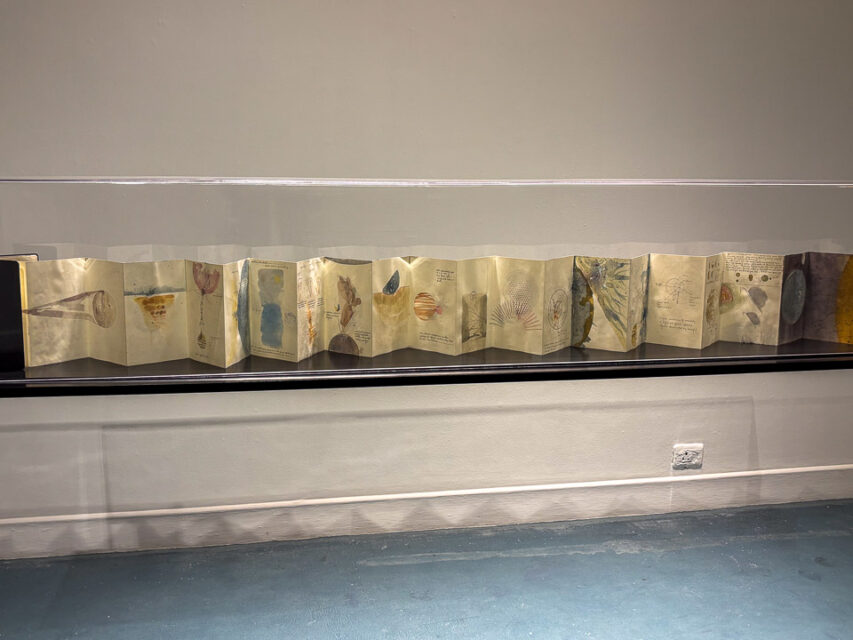
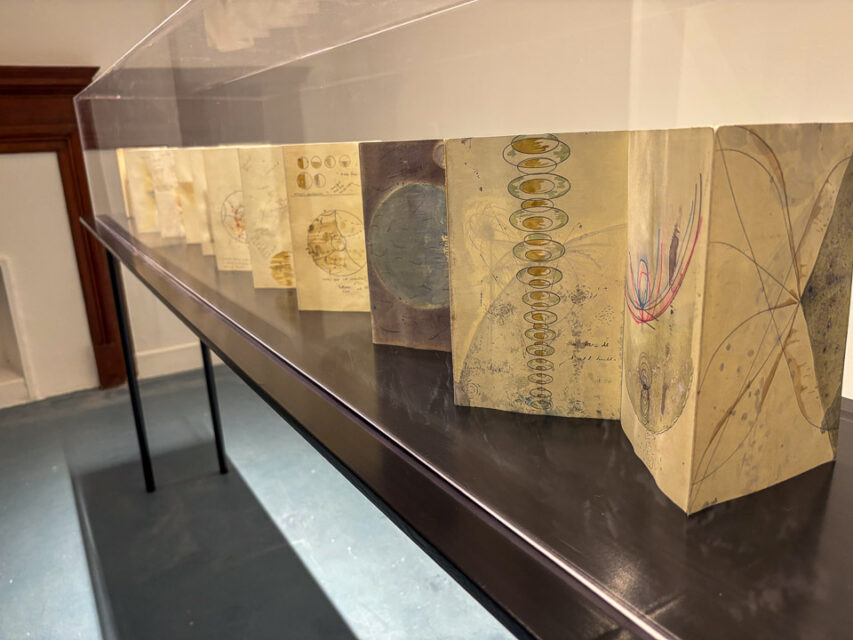
That range is what sets him apart. He can command space and still command attention in a smaller format. Many artists succeed in one register. Few move across registers with authority.
In my view, Jitish Kallat stands among the strongest Indian artists working today. Possibly the strongest. He carries intellectual depth without becoming academic. He understands spectacle without becoming shallow. He builds work that feels considered from concept to execution.
What struck me across these three shows was clarity.
Ai Weiwei at his most compelling was restrained. Atul Dodiya at his most moving was introspective. Jitish Kallat at his most powerful was expansive yet controlled.
As viewers, we are often seduced by scale, fame, noise. The art world thrives on those currencies. Yet what stays with me are moments of alignment. When material, idea and execution sit in equilibrium.
That is rare.
Going through the artworks again, I realised something else. Admiration does not have to be blind. Respect does not require agreement. It is possible to value an artist’s contribution and still respond selectively. In fact, that is the only honest way to engage.
Art deserves that level of attention. And so do we as viewers.