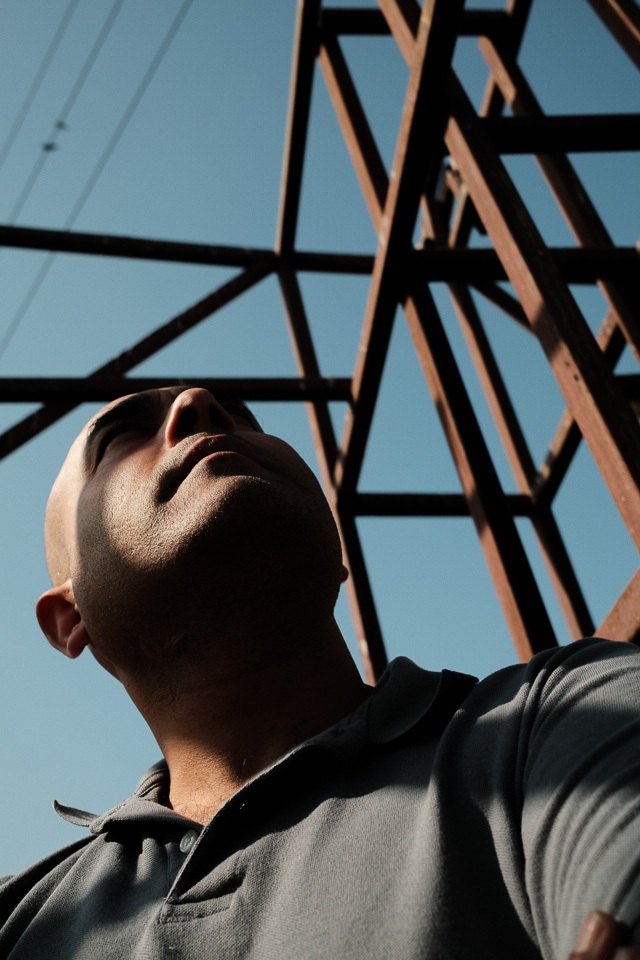
I have always believed that the line is the first honest gesture in an abstract work. Before colour settles. Before texture builds. Before form begins to suggest meaning. The line arrives almost instinctively. It carries hesitation, rhythm, memory, tension, release. In many ways, it is closer to thought than image.
In my mixed media works, lines are rarely decorative. They are structural, emotional, and psychological. They move through the surface like traces of experience. Sometimes they behave like scars. Sometimes like maps. Sometimes like a language that has been erased halfway through speaking.
What interests me about abstraction is that it refuses certainty. A line inside abstraction does not have the responsibility of becoming a tree, a figure, or a horizon. It is free to exist as movement and feeling. This freedom allows the line to become deeply personal. A broken line can hold fragility. A dense accumulation of marks can suggest anxiety or restlessness. A slow horizontal drift can create silence.
In the smaller paper works, the line becomes intimate. The scale demands sensitivity. Every gesture matters. A slight pressure of the hand changes the emotional weight of the work completely. On paper, the line feels closer to breathing. It records pauses. It exposes vulnerability. The emptiness around it becomes equally important. I often feel that these smaller works are like private conversations with myself. The line moves carefully, almost cautiously, searching for balance within fragility.
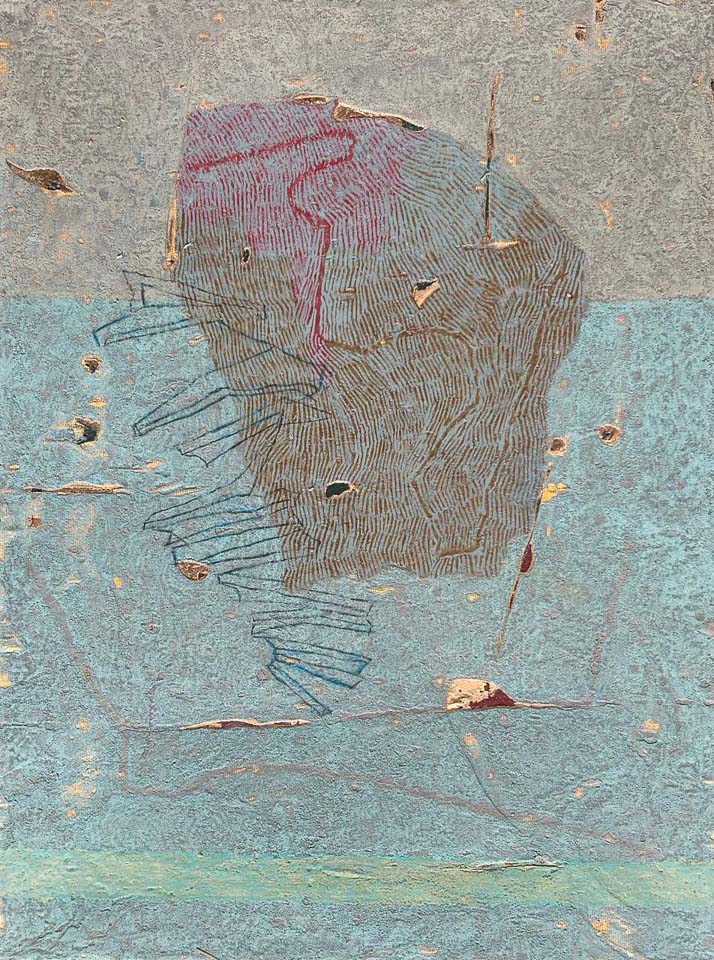
As the works expand onto large canvases, the line changes character. It becomes physical. The body enters the process differently. Movement becomes wider, more forceful, sometimes confrontational. The line begins to occupy space rather than simply exist within it. Large surfaces allow repetition, layering, collision. Certain lines dominate while others disappear beneath material and texture. This process mirrors the way memory itself functions. Some experiences remain visible. Others sink underneath yet continue shaping what sits above them.
Mixed media allows me to push the line beyond drawing. A line can emerge through stitching, scraping, tearing, layering, burning, or erasure. It can appear through absence as much as presence. This becomes important because life itself is layered. Human experience is never flat. We carry histories, interruptions, fractures, repairs. The line in my work absorbs these conditions. It behaves less like a controlled mark and more like evidence of process and time.
I am also interested in how viewers respond to lines inside abstraction. Without recognisable imagery, people begin projecting their own meanings onto these gestures. One person sees a landscape. Another sees architecture. Someone else sees emotional turbulence. This openness is essential to abstract art. The line becomes a point of entry into personal interpretation. It remains unresolved, and that unresolved state creates dialogue between the work and the viewer.
There is also something deeply human about lines. Long before painting became formalised, human beings drew lines on cave walls, on stone, on earth. The line is primal. It is perhaps the most direct connection between thought and hand. Even today, a trembling line can reveal more emotional truth than a polished image ever could.
In my practice, I return to lines because they continue resisting final definition. They remain alive. They shift between drawing and writing, between gesture and structure, between control and accident. They allow abstraction to stay open, emotional, and uncertain.
Abhijit Pathak